




















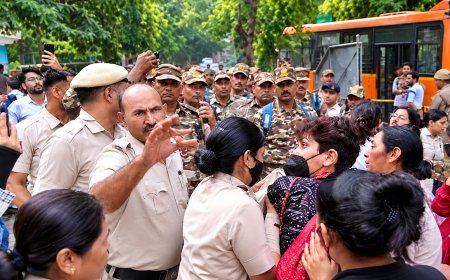



Dhaka Courtroom Erupts in Claps, Cheers as Sheikh Hasina Gets Death Penalty
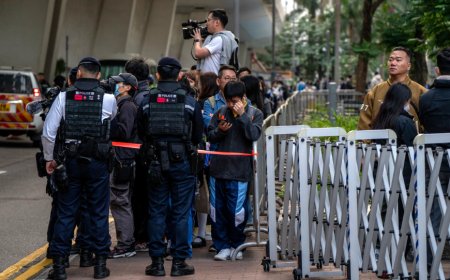
Dhaka, Bangladesh: The packed courtroom of the International Crimes Tribunal (ICT-BD) in Dhaka erupted in applause, cheers and emotional outbursts when the tribunal sentenced former Prime Minister Sheikh Hasina to death for “crimes against humanity.” Many in attendance were seen clapping, some smiling in relief, others offering prayers — a dramatic scene following one of the most consequential verdicts in Bangladesh’s recent history.

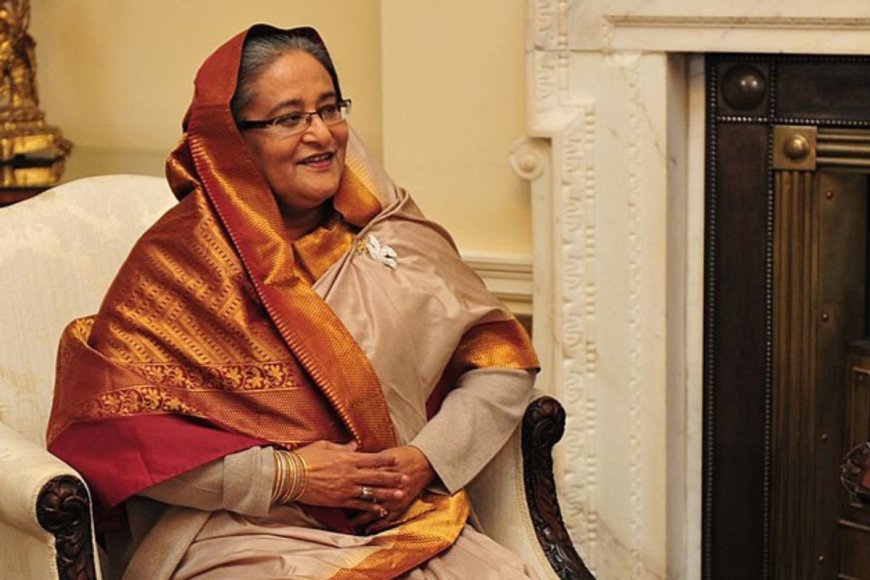
Verdict Details: What the Tribunal Found
- The tribunal found Hasina guilty on multiple counts, including incitement, ordering the use of lethal force, and failing to prevent atrocities during the student-led protests of 2024, which ultimately led to her government’s fall.
- The bench, headed by Judge Golam Mortuza Mozumder, declared the crime punishable only by one sentence: death. Other accused — including former Home Minister Asaduzzaman Khan Kamal — were also sentenced to death in absentia, while former police chief Chowdhury Abdullah Al‑Mamun, who became a state witness, received a reduced sentence.
- The ruling covers charges such as orchestrating mass killings of unarmed protesters, ordering deadly force via helicopters, drones and security forces, and disposing of bodies to conceal evidence.
The verdict was delivered after months of deliberations, ending in a 453-page judgement read aloud in Dhaka under tight security.
Emotional Outpouring Inside Court, Mixed Reactions Outside
As the judges announced the verdict, relatives of victims, on-lookers and voices inside the courtroom expressed a mix of relief, grief and vindication. Some wept openly, others raised hands in prayer; many survivors and families of those lost welcomed the decision.
However, the verdict has also triggered sharp criticism from international observers. Human Rights Watch (HRW) and other rights bodies have questioned whether the trial met accepted global standards for fair justice. They highlighted concerns over defendants being tried in absentia, limited opportunity to cross-examine witnesses, and the imposition of the death penalty.
The United Nations Office of the High Commissioner for Human Rights (OHCHR) has acknowledged that accountability for grave abuses is necessary — but expressed regret over the use of capital punishment, urging that justice must align with international human-rights principles.
Implications: Politics, Diplomacy, and Bangladesh’s Future
- The ruling deepens a dramatic political turning point for Bangladesh. The tribunal decision comes less than three months before national elections scheduled in early 2026 — a period fraught with tension and uncertainty about what lies ahead.
Immediately after the verdict, the interim government renewed calls to extradite Hasina from India, and several political allies demanded swift execution of the sentence. - International reactions remain divided: while victims’ families and many in Bangladesh welcome what they call long-awaited justice, global human-rights groups caution that the process may set a dangerous precedent if due process and fair trial norms are not strictly upheld.
What Happens Next
- The tribunal ordered confiscation of assets belonging to Hasina and Kamal, transferring them to the state.
- The interim government awaits developments in extradition proceedings and potential diplomatic fallout, especially considering Hasina has been residing in India since fleeing Bangladesh in August 2024.
Meanwhile, legal experts and international monitoring bodies are watching closely to see whether Bangladesh’s justice system can deliver accountability without compromising fairness and human rights standards.
What's Your Reaction?
 Like
0
Like
0
 Dislike
0
Dislike
0
 Love
0
Love
0
 Funny
0
Funny
0
 Angry
0
Angry
0
 Sad
0
Sad
0
 Wow
0
Wow
0