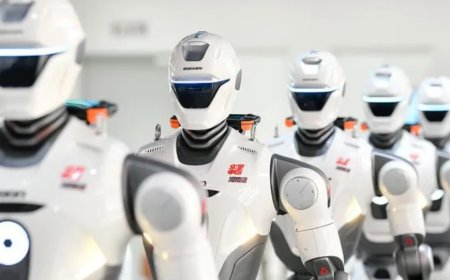



































Eggie, Neo, Isaac and Memo are domestic robots. But would you let them load your dishwasher?
From folding laundry to assisting in kitchens, a new generation of home robots is entering everyday life — but experts say trust, safety and reliability remain the biggest hurdles to widespread adoption.

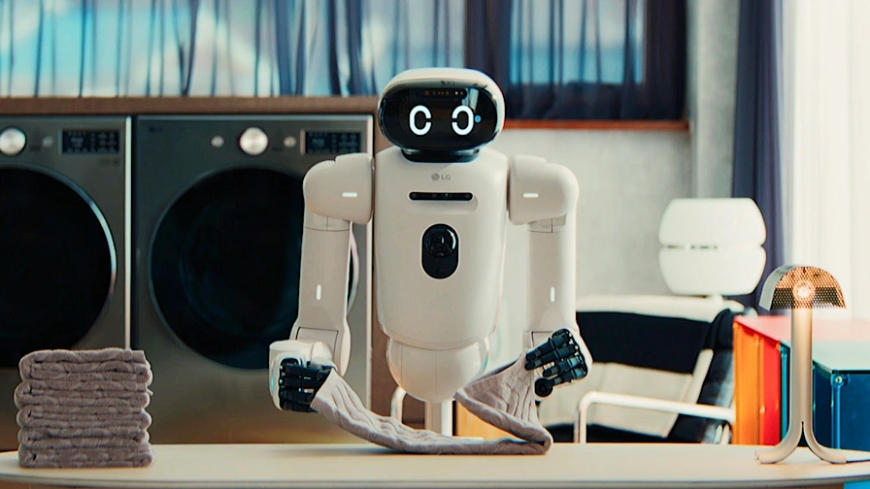
Eggie, Neo, Isaac and Memo may sound like cartoon characters, but they represent the next wave of domestic robots designed to work inside people’s homes. Built to perform everyday chores such as loading dishwashers, organising items, or assisting elderly residents, these machines are being showcased as a solution to labour shortages and changing household needs.
Unlike earlier robotic vacuums and smart assistants, these humanoid or semi-humanoid robots are equipped with artificial intelligence, advanced sensors and learning systems that allow them to recognise objects, navigate cluttered spaces and adapt to human behaviour. Developers say this technology could transform daily life, especially for ageing populations and busy urban households.
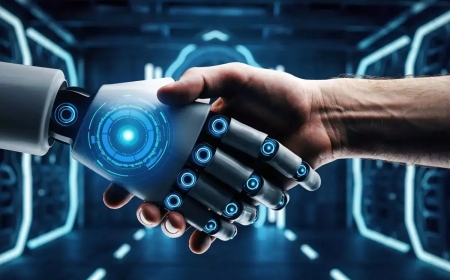
But while the technology is advancing quickly, public trust remains a major challenge. Many people are hesitant to allow robots to handle fragile items, work around children, or operate unsupervised in private spaces. Concerns range from safety and reliability to data privacy and the emotional discomfort of sharing homes with machines.
Researchers and companies argue that acceptance will grow gradually, starting with simple, repetitive tasks before moving on to more complex responsibilities. For now, the question remains: as domestic robots become smarter and more capable, how comfortable are humans with letting machines take over their most personal spaces — including the kitchen sink?
What's Your Reaction?
 Like
0
Like
0
 Dislike
0
Dislike
0
 Love
0
Love
0
 Funny
0
Funny
0
 Angry
0
Angry
0
 Sad
0
Sad
0
 Wow
0
Wow
0