



































Essential Tips for Baby Health and Skin Care

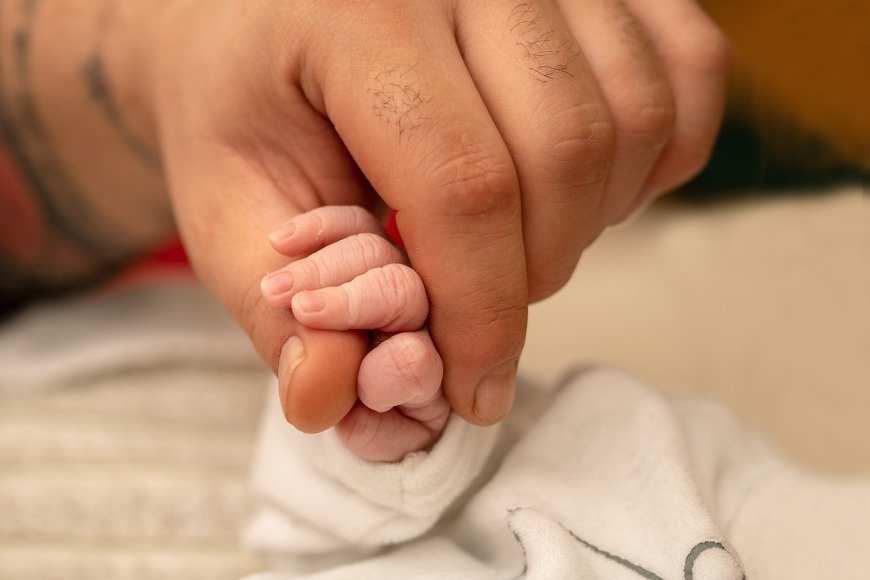
Caring for a baby’s delicate skin and overall health can feel overwhelming, especially for new parents. Babies have sensitive skin and developing immune systems, which means daily routines and preventive care are essential. Here’s a complete guide with practical tips to ensure your baby stays healthy and their skin remains soft and protected.
Daily Skin Care for Babies
1. Bathe your baby 2–3 times a week; daily bathing can dry the skin.
2. Use lukewarm water for bathing, never hot water.
3. Choose mild, fragrance-free baby cleansers.
4. Avoid harsh soaps or adult shampoos.
5. Pat skin dry gently instead of rubbing.
6. Apply baby-friendly moisturizer after baths.
7. Focus on areas prone to dryness, like elbows, knees, and cheeks.
8. Use soft washcloths or cotton pads.
9. Dress babies in breathable cotton clothing.
10. Avoid overdressing to prevent sweating.
Protecting Baby Skin from the Sun
11. Keep infants under 6 months out of direct sunlight.
12. Use hats and loose clothing for sun protection.
13. Avoid applying sunscreen on newborns; consult a pediatrician for older infants.
14. Shade strollers or prams with umbrellas or canopies.
15. Limit sun exposure during peak UV hours (10 a.m.–4 p.m.).
Diaper Care and Rash Prevention
16. Change diapers frequently to prevent irritation.
17. Clean diaper area gently with water or baby wipes.
18. Apply barrier creams or ointments to prevent diaper rash.
19. Allow some diaper-free time daily for skin to breathe.
20. Use absorbent diapers to minimize moisture contact.
Maintaining Overall Health
21. Ensure proper nutrition, whether through breastfeeding or formula.
22. Feed on demand to maintain hydration and growth.
23. Keep track of vaccination schedules.
24. Schedule regular pediatric check-ups.
25. Watch for signs of illness, such as fever, lethargy, or unusual rashes.
26. Keep the baby’s environment clean and sanitized.
27. Limit contact with sick individuals to reduce infection risk.
28. Encourage tummy time for physical development.
29. Monitor growth milestones and discuss concerns with a pediatrician.
30. Maintain proper sleep routines for healthy development.
Handling Common Skin Issues
31. Moisturize dry patches regularly.
32. Use hypoallergenic products for eczema-prone skin.
33. Avoid scratching or rubbing affected areas.
34. Keep nails short to prevent injury.
35. Treat cradle cap with gentle baby oils or soft brushes.
36. Consult a doctor for persistent rashes or unusual spots.
37. Avoid scented powders or lotions that can irritate.
38. Bathe eczema-prone babies with lukewarm water only.
39. Pat, don’t rub, eczema patches after bathing.
40. Dress in soft, breathable fabrics to reduce irritation.
Hygiene and Preventive Care
41. Wash hands before handling the baby.
42. Clean bottles, pacifiers, and toys regularly.
43. Keep fingernails and toenails trimmed.
44. Use soft bedding and wash it frequently.
45. Keep pets’ contact supervised to prevent infections.
46. Use gentle detergents for baby clothes.
47. Avoid strong chemical cleaners near the baby.
48. Keep air humidity moderate; use a humidifier if needed.
49. Avoid over-bundling in warm environments.
50. Ensure proper ventilation in the baby’s room.
Hydration and Nutrition Tips
51. Encourage breastfeeding for infants under 6 months.
52. Offer formula if necessary, following pediatric advice.
53. Introduce solid foods gradually after 6 months.
54. Avoid added sugar or salt in baby food.
55. Include iron-rich foods when introducing solids.
56. Offer water in small amounts after 6 months.
57. Avoid cow’s milk before 1 year unless advised.
58. Introduce fruits and vegetables slowly to detect allergies.
59. Observe reactions to new foods carefully.
60. Maintain variety for balanced nutrition.
Comfort and Emotional Wellbeing
61. Respond promptly to cries to build trust.
62. Swaddle newborns for comfort but avoid tight wrapping.
63. Provide soft blankets and comforting items.
64. Encourage gentle rocking or soothing sounds.
65. Maintain eye contact and speak softly to develop bonding.
66. Play age-appropriate games to stimulate senses.
67. Read to your baby to promote language skills.
68. Limit screen exposure; babies learn best through interaction.
69. Encourage tummy and floor play for muscle development.
70. Keep routines consistent for a sense of security.
Sleep and Rest
71. Place babies on their back to sleep.
72. Use a firm, flat mattress without pillows or toys.
73. Keep room temperature comfortable, not too hot or cold.
74. Avoid loose blankets; use sleep sacks if needed.
75. Establish a bedtime routine with calming activities.
76. Avoid co-sleeping on soft surfaces.
77. Ensure naps are regular and adequate.
78. Dim lights during nighttime feeds.
79. Avoid stimulating activities right before sleep.
80. Track sleep patterns to detect changes.
Preventing Common Illnesses
81. Keep vaccinations up to date.
82. Wash hands before feeding.
83. Sterilize feeding bottles regularly.
84. Avoid crowded places during peak illness seasons.
85. Monitor for signs of fever or infections.
86. Seek immediate medical attention for breathing difficulties.
87. Use gentle, natural remedies only when approved by a pediatrician.
88. Maintain good oral hygiene after teeth emerge.
89. Avoid sharing utensils or pacifiers.
90. Keep immunization records handy.
Seasonal Skin Care Tips
91. Apply gentle moisturizers in dry winter air.
92. Avoid long baths in cold weather.
93. Use lightweight, breathable clothing in summer.
94. Protect skin from sun exposure in outdoor play.
95. Apply baby-safe insect repellents if needed.
96. Avoid over-bundling during hot months.
97. Use humidifiers in dry climates.
98. Monitor for heat rashes in warm weather.
99. Keep the baby hydrated in hot conditions.
100. Adjust skin care routines according to seasonal needs.
These 100 tips provide a balanced approach to ensuring your baby remains healthy, comfortable, and their skin stays soft and protected. Consistency, gentle care, and attention to the baby’s environment and nutrition are key to thriving growth.
What's Your Reaction?
 Like
0
Like
0
 Dislike
0
Dislike
0
 Love
0
Love
0
 Funny
0
Funny
0
 Angry
0
Angry
0
 Sad
0
Sad
0
 Wow
0
Wow
0