























Haryana Partners with World Bank in Landmark Clean Air Initiative to Cut Pollution by 2030
Haryana secures $305 million from the World Bank for its Clean Air Project for Sustainable Development (HCAPSD), aiming to drastically reduce air pollution through multisectoral action and transform the state into a cleaner, healthier environment by 2030.

In a significant boost to environmental action in northern India, the Government of Haryana has secured major financial backing from the World Bank to accelerate efforts to improve air quality and reduce pollution across the state.
The World Bank has approved a financial assistance package of around USD 305 million (about ₹2,498 crore) to support the Haryana Clean Air Project for Sustainable Development (HCAPSD), a flagship initiative designed to help the state achieve cleaner air by 2030. Under the plan, the total project cost is set at approximately ₹3,646 crore, with Haryana contributing ₹1,065 crore and an additional ₹83 crore coming as a grant.
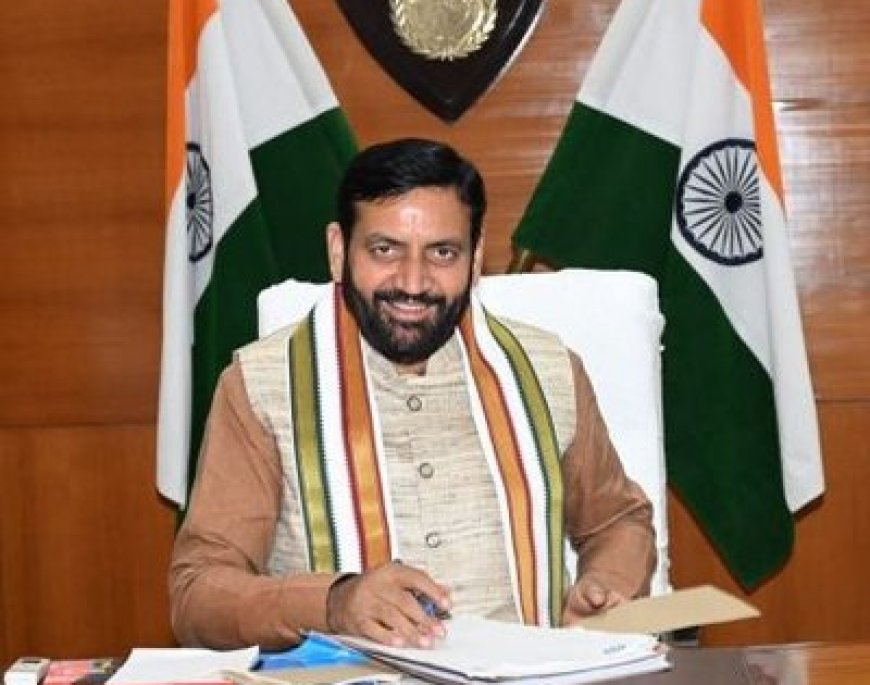
The loan approval follows high-level discussions between Haryana Chief Minister Nayab Singh Saini and World Bank representatives in late 2024, reflecting a shared commitment to tackling the region’s persistent air pollution challenges.
Multi-Sector Strategy to Curb Pollution
HCAPSD adopts a multisectoral approach, targeting key contributors to poor air quality—including transport, industry, agriculture, and urban management—through coordinated interventions. A dedicated Special Purpose Vehicle, ARJUN (AI for Resilient Jobs, Urban Air Quality & Next-Gen Skills Council), will oversee planning, execution, and real-time monitoring of project activities.
One of the major components involves investments in clean mobility, with around ₹1,513 crore earmarked for modernizing transport networks. This includes deploying 500 electric buses across major urban centers such as Gurugram, Faridabad, Sonipat, and Jhajjar; installing 200 EV charging stations; and promoting incentives for electric three-wheelers and fleet replacements.
Industrial emissions will also be addressed through incentives for cleaner technologies, such as converting boilers to lower-emission fuels and expanding continuous emissions monitoring systems. Additionally, the project allocates funds for advanced agricultural practices and soil management to minimize pollution from rural sources.
Expected Impact and Long-Term Vision
Officials say the clean air project is expected to strengthen Haryana’s air quality governance and accelerate measurable improvements in public health and environmental outcomes. It aligns with the state’s broader goals to adopt science-based air quality management systems, reduce emissions across sectors, and set an example for sustainable regional development.
By mobilizing international support and aligning local policy with cutting-edge interventions, Haryana aims not only to reduce pollution but also to attract green investment and enhance its economic and social resilience in the years ahead.
What's Your Reaction?
 Like
0
Like
0
 Dislike
0
Dislike
0
 Love
0
Love
0
 Funny
0
Funny
0
 Angry
0
Angry
0
 Sad
0
Sad
0
 Wow
0
Wow
0