




















IITM Scientists Warn of Decade-Long Decline in Pune’s Air Quality
IITM scientists highlight a decade-long deterioration in Pune’s air quality, noting rising PM10 levels and an increase in “moderate” AQI days that are unsafe for vulnerable groups. Experts call for urgent action.

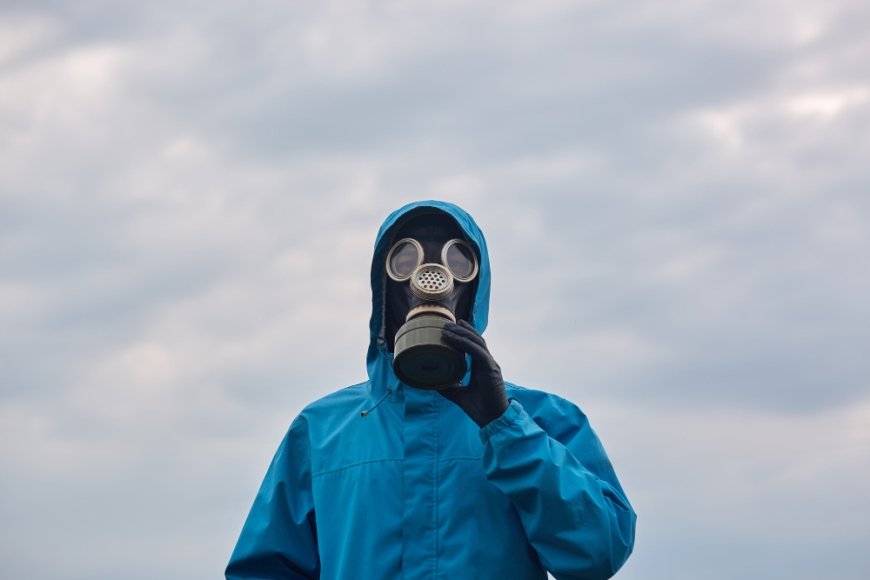
Pune’s Air Quality Slips Again — And This Time, Scientists Say the Danger Is Hidden
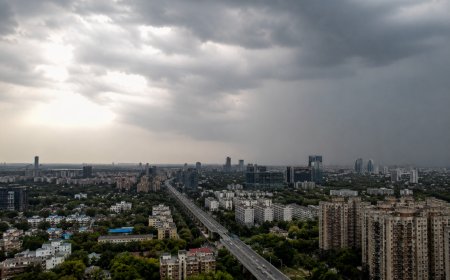
Pune’s air quality has taken a worrying turn, with data from the Central Pollution Control Board (CPCB) showing a persistent rise in pollution levels during the month of November. For three consecutive days — November 19, 20, and 21 — the city recorded deteriorating air quality, dominated by Particulate Matter (PM10).
Alarmingly, almost half of November has already fallen under the “moderate” AQI category, signaling a pattern that environmental scientists say is becoming the new normal.
But experts from the Indian Institute of Tropical Meteorology (IITM) caution that the label “moderate” may be misleading. Their long-term analysis reveals that Pune’s air quality has been declining steadily over the past decade, and what was once considered a relatively clean city is now experiencing pollution levels that pose real health hazards — even when the AQI does not fall into the severe category.
The Rise of the “Moderate” AQI: A Hidden Health Threat
While “moderate” AQI often appears harmless to the average citizen, IITM scientists emphasize that these levels are not actually safe.
“Moderate air quality is not equivalent to clean air,” one expert noted. “For children, senior citizens, and those with respiratory or cardiac conditions, even moderate PM10 exposure can trigger health complications.”
Why Moderate AQI Is Still Dangerous
· PM10 particles are large enough to irritate the eyes, throat, and respiratory tract.
· Long-term exposure can contribute to chronic bronchitis, aggravated asthma, and reduced lung function.
· Children inhale more air relative to their body weight, increasing their pollutant exposure.
· Senior citizens are more likely to experience breathing difficulty, inflammation, and cardiovascular strain even on moderate pollution days.
Doctors in Pune have already reported a seasonal spike in respiratory complaints, many of which correlate with periods of elevated particulate pollution.
Data Reveals a Decade of Decline
IITM’s ongoing environmental monitoring reveals that:
· The number of “good” AQI days has steadily reduced year after year.
· Winter months are becoming particularly vulnerable as cooler temperatures and slower wind speeds trap particulate matter close to the ground.
· The city is experiencing longer durations of moderate or poor air quality compared to ten years ago.
This slow but persistent decline paints a worrying picture for one of Maharashtra’s fastest-growing urban centers.
What’s Driving Pune’s Pollution Surge?
Several factors are contributing to Pune’s rising PM10 levels:
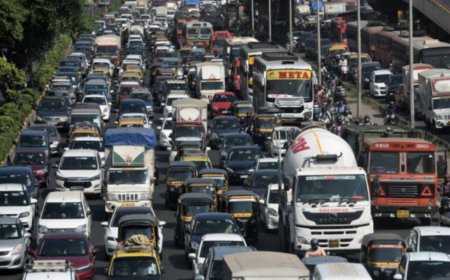
1. Increasing Vehicular Traffic
Pune’s exploding number of two-wheelers, cars, and delivery vehicles is one of the biggest drivers of PM emissions.
2. Continuous Construction Activity
Large-scale real estate development, road expansion, and infrastructure projects release massive amounts of dust into the air.
3. Dry Weather and Wind Patterns
Climate shifts, erratic winds, and dry conditions facilitate dust re-suspension, raising PM10 concentrations.
4. Industrial Clusters and Urban Expansion
Suburban growth, particularly toward Pimpri-Chinchwad and Talegaon, adds to background pollution levels.
A Question Pune Must Now Face: Is “Moderate” Good Enough?
With half of November already marked by moderate air quality, scientists are pushing residents and policymakers to reconsider what “safe air” really means.
· If moderate days are unsafe for children and seniors,
· If good air days are shrinking yearly,
· And if PM10 remains the dominant pollutant across seasons,
then Pune may be standing at the edge of a long-term public health challenge.
What Experts Recommend Going Forward
✔ Improve and expand public transport to cut vehicular emissions.
✔ Enforce dust-control measures at construction sites.
✔ Increase green cover to reduce airborne particulate matter.
✔ Promote off-peak traffic strategies and stricter emission checks.
✔ Raise awareness that moderate AQI does not mean no health risk.
A City at a Crossroads
For years, Pune prided itself on being greener and cleaner than most Indian metros. But IITM’s latest findings suggest that without rapid action, the city may lose that identity entirely.
With PM10 dominating its skies and moderate AQI becoming commonplace, Pune must now decide whether to continue down a path of slow environmental decline — or take decisive steps to reclaim its air.
What's Your Reaction?
 Like
0
Like
0
 Dislike
0
Dislike
0
 Love
0
Love
0
 Funny
0
Funny
0
 Angry
0
Angry
0
 Sad
0
Sad
0
 Wow
0
Wow
0