































India’s Onion Prices Bring Tears, While People in Tajikistan Eat Nearly 57 Kg a Year!
Onion prices are putting pressure on household budgets in India, but in Tajikistan, onions are consumed on a completely different scale. Data shows that per-capita onion consumption in Tajikistan is around 56.8 kg a year, making it one of the world’s highest.

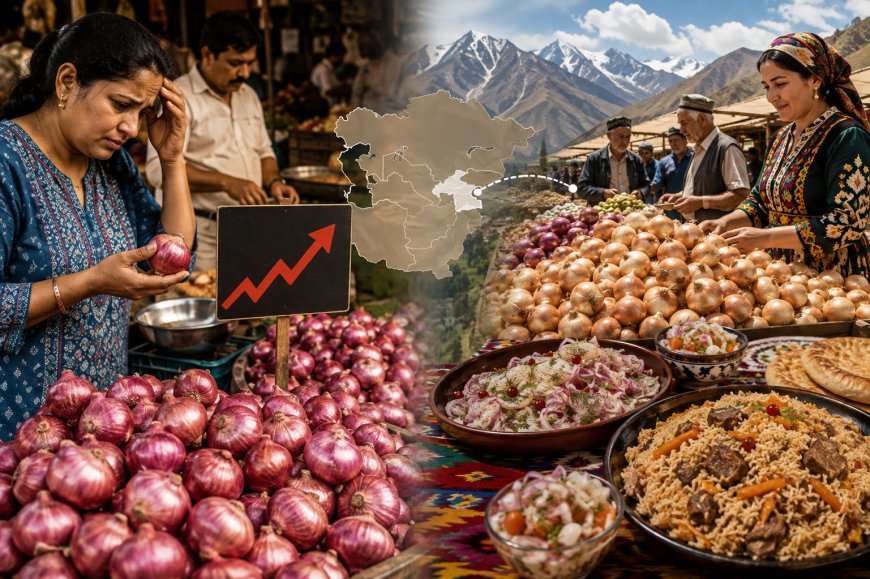
Onions are once again making headlines in India, but this time there is an interesting global twist to the story.
While rising onion prices are making Indian consumers think twice before buying them, there is a country where onions are such an important part of the diet that one person consumes nearly 57 kg of onions in a year.
That country is Tajikistan, a Central Asian nation where onions have been an important part of agriculture and food culture for generations.
Tajikistan’s 57-Kg Onion Connection
According to FAOSTAT-based data, per-capita onion consumption in Tajikistan was around 56.8 kg in 2023.
That works out to roughly 4.7 kg per person every month, or more than 150 grams per day on average.
Of course, per-capita consumption is a national average. It does not mean every individual in Tajikistan literally eats exactly 57 kg of onions every year.
Still, the figure highlights just how important onions are in the country's food and agricultural economy.
Why Are Onions So Important in Tajikistan?
Tajikistan is located in Central Asia, a region with a long agricultural history.
Onions have been cultivated and consumed by humans for thousands of years. Historical and archaeological evidence suggests that people have been growing and using onions for at least several thousand years, although their exact original domestication location remains debated.
Today, onions remain an important ingredient in Central Asian cuisine and are widely used in everyday cooking.
Meanwhile, Indian Consumers Are Feeling the Heat
The situation is very different in India right now.
Onion prices have risen significantly in several markets, putting additional pressure on household budgets.
India is one of the world's largest onion producers, but onion prices can fluctuate sharply because of factors such as weather, storage losses, transportation, supply and seasonal demand.
Why Are Onion Prices Rising in India?
The current price pressure is not simply a result of low production.
India's onion supply is affected by the condition of crops after harvest and how much produce survives during storage.
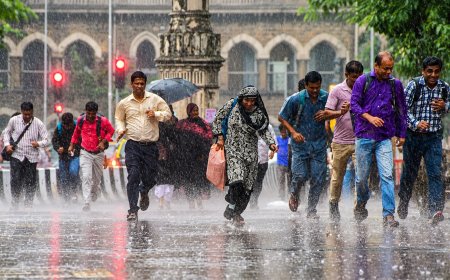
Unseasonal rainfall can increase moisture in harvested onions, while heat and humidity can accelerate spoilage. When a larger portion of stored onions is damaged, the amount of good-quality produce reaching the market can fall.
That reduced availability can push prices higher even when overall production remains substantial.
Maharashtra Plays a Major Role
Maharashtra is one of India's most important onion-producing states, with Nashik being particularly famous for onion cultivation and trading.
Changes in arrivals from major producing regions can have a significant impact on wholesale and retail prices across the country.
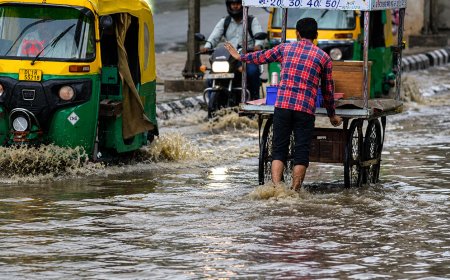
This is why any disruption caused by weather, transportation or storage can quickly be felt by consumers in cities far away from the production centres.
Government Steps In With Buffer Stock
The Indian government has been using its onion buffer stock to increase market availability and control excessive price increases.
Special transportation arrangements have also been used to move onions from producing regions to major consumption centres.
The objective is to ensure that additional supplies reach markets when prices rise sharply.
Higher Prices Don't Always Mean Higher Farmer Profits
There is another important side to the onion story.
Consumers often assume that when retail prices rise, farmers automatically earn more. But that is not necessarily the case.
Onion prices can vary dramatically between the farm gate, wholesale market and retail market.
Farmers also face rising input costs, crop losses, storage problems and price volatility. A farmer may receive a relatively low price immediately after harvest while consumers later pay much more when supply becomes tight.
India and Tajikistan Tell Two Different Onion Stories
The contrast is fascinating.
India: onions are an everyday kitchen essential, and rising prices can immediately affect household budgets.
Tajikistan: onions are consumed at an exceptionally high per-capita level, with annual consumption estimated at around 56.8 kg per person.
The comparison shows how the same humble vegetable can play very different roles in different countries—from a crucial agricultural commodity to an essential part of everyday cuisine.
Why Does Onion Price Matter So Much in India?
For Indian households, onions are not simply another vegetable.
They are used in curries, dals, salads, chutneys, snacks and countless street-food dishes. Because onions are consumed so widely, even a moderate increase in their price can have a noticeable impact on household spending.
That is why onion prices often become a major economic and political talking point in India.
So while Indians are currently worried about the price of onions, Tajikistan offers a surprising global perspective—where the average person consumes nearly 57 kg of onions every year.
What's Your Reaction?
 Like
0
Like
0
 Dislike
0
Dislike
0
 Love
0
Love
0
 Funny
0
Funny
0
 Angry
0
Angry
0
 Sad
0
Sad
0
 Wow
0
Wow
0