

































Indian Rupee Slides to Unprecedented Lows, Hits ₹90.83 Against US Dollar — What’s Behind the Decline and Its Broader Impact
The Indian rupee slid to a fresh all-time low of ₹90.83 against the US dollar amid foreign outflows, global uncertainty, and strong dollar demand. Read what’s driving the fall and its economic impact.

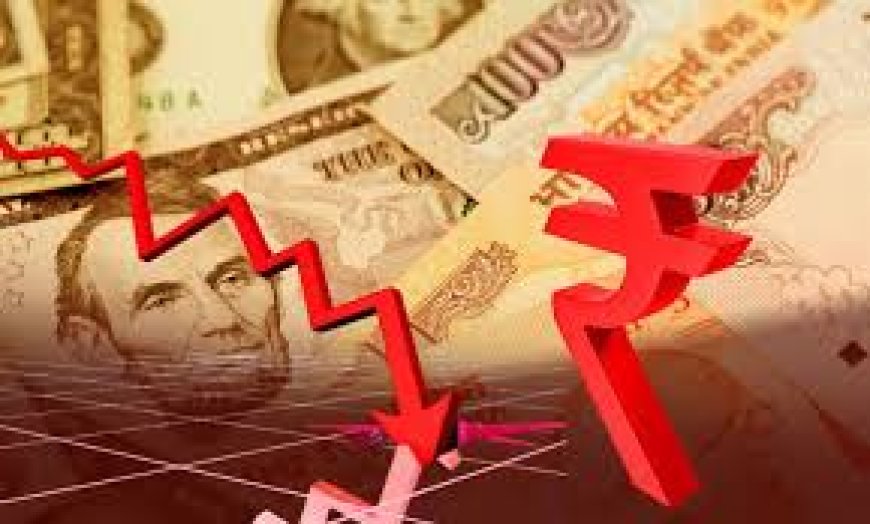
The Indian rupee weakened sharply, declining to a fresh all-time low of ₹90.83 against the US dollar on Tuesday, December 16, 2025, extending its slide for the fourth consecutive session. The currency opened at around ₹90.79 and continued to trade under pressure, reflecting continued volatility in forex markets and sustained external headwinds.
Key Drivers Behind the Rupee’s Decline
Persistent Foreign Capital Outflows—Foreign institutional investors (FIIs) have continued withdrawing funds from Indian equities and bonds, resulting in significant dollar demand and weakening the rupee. This sustained selling pressure is one of the main reasons the domestic unit has continued to slide.
Trade Negotiation Uncertainty— Delays and uncertainty in key trade negotiations—particularly between India and the United States—have dented investor confidence. With no breakthrough on a bilateral trade deal, export prospects for some Indian sectors have been clouded, impacting sentiment around the rupee.
Flow-Driven Dollar Demand—Heavy demand for dollars due to maturity of positions in non-deliverable forward (NDF) markets and importer hedging has added pressure on the currency. When domestic demand for dollars outpaces supply, it naturally weakens the rupee.
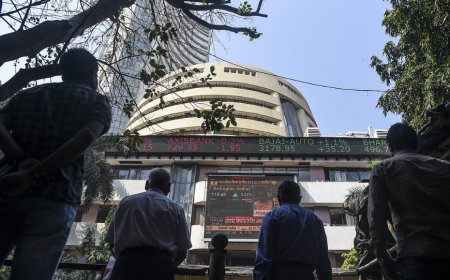
Broader Market Sentiment—The broader risk-off mood in global markets—with equities under stress and investors seeking safe-haven assets—has also contributed to the rupee’s depreciation. Indian stock indices such as Sensex and Nifty opened in the red, reflecting fragile market conditions.
Central Bank’s Role and Market Dynamics
The Reserve Bank of India (RBI) appears to be intervening in the market through state-owned banks to contain excessive volatility, rather than defending a specific exchange rate level. This explains why, despite intervention efforts, the rupee has continued its downward slide.
Ripple Effects Across the Economy
-
Import Costs Rise: A weaker rupee means higher costs for imported goods, especially crude oil and electronics—components India heavily relies on. Increased import bills can put upward pressure on inflation.
-
Forex Reserves: India’s forex reserves have seen slight declines as the RBI balances intervention with broader economic priorities.
-
Capital and Investment Flows: Continued outflows of foreign capital reduce liquidity in domestic markets and may keep borrowing costs elevated if investor confidence doesn’t improve.
Market Commentary
Analysts note that the rupee’s decline is not merely a short-term blip but part of a broader trend influenced by structural factors such as trade dynamics, capital flow imbalances, and global monetary conditions. While RBI measures can moderate volatility, sustained improvements likely hinge on progress in trade relationships and stronger foreign capital inflows.
What's Your Reaction?
 Like
0
Like
0
 Dislike
0
Dislike
0
 Love
0
Love
0
 Funny
0
Funny
0
 Angry
0
Angry
0
 Sad
0
Sad
0
 Wow
0
Wow
0