



















**Justice Mithal’s View on Reservation: Fair or Flawed?
Justice Pankaj Mithal’s remark that reservation should apply only to the “first generation” has sparked debate. Here is a balanced analysis of whether the idea promotes fairness or overlooks social realities.

A Pudvi Times Analysis**
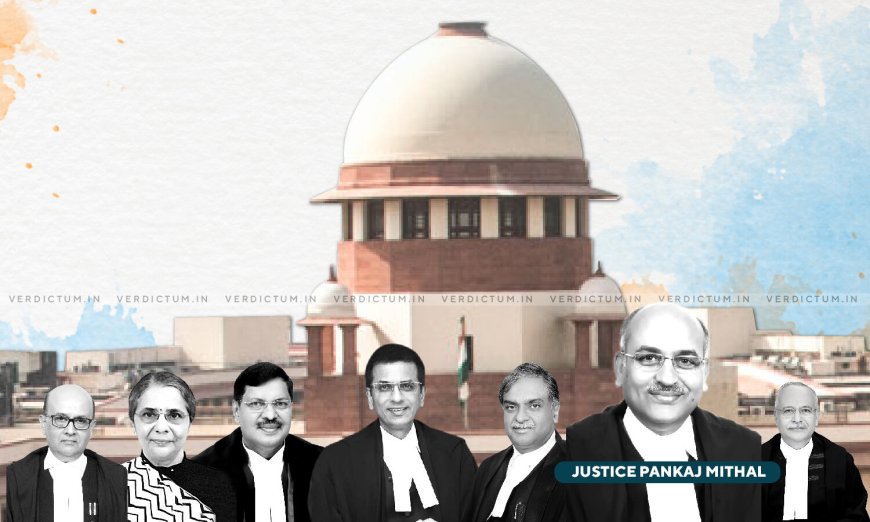
A recent remark attributed to Justice Pankaj Mithal, suggesting that reservation should be limited to the first generation only, has reignited one of India’s most enduring debates — how long affirmative action should continue, and who should benefit from it.
The statement has drawn mixed reactions. Supporters call it a push for merit-based equality, while critics argue it ignores the deeply entrenched social and structural disadvantages faced by marginalized communities across generations.
This article examines both perspectives — and offers a reasoned opinion.
What Justice Mithal’s View Suggests
Justice Mithal’s idea implies:
- Reservation should support families only until the first generation uplifts itself.
- Subsequent generations, having received education and opportunity, should compete without affirmative action.
- The policy should not become perpetual, but transitional.
This viewpoint questions whether long-term reservation creates dependency instead of empowerment.
Why the View Appeals to Many
1. Focus on Opportunity, Not Permanency
Supporters argue that reservation was originally meant as a temporary corrective measure, not a permanent fixture.
2. Prevents Misuse by the Already-Privileged
Many point to the phenomenon of “creamy layer” beneficiaries — individuals from reserved categories who are economically and socially advanced but continue to receive benefits, often leaving the most marginalized behind.
3. Encourages Long-Term Equality
The idea aims to bring India to a point where merit and equal opportunity outweigh caste inheritance.
Why Critics Call It Incomplete
1. Social Discrimination is Not a One-Generation Problem
Caste-based barriers in India continue across multiple generations, regardless of individual income or education.
Having one educated member in a family does not erase:
- social bias
- caste-based exclusion
- lack of networks
- systemic inequality
Thus, limiting reservation to one generation may ignore lived realities.
2. Structural Inequality Outlasts Immediate Economic Growth
Even a well-educated, upwardly mobile Dalit or Adivasi person may still face:
- housing discrimination
- hiring bias
- social segregation
These are not solved in one generation.
3. Risk of Reversing Hard-Earned Gains
Ending reservation too early could push communities back into cycles of exclusion, undoing decades of progress.
What's Your Reaction?
 Like
0
Like
0
 Dislike
0
Dislike
0
 Love
0
Love
0
 Funny
0
Funny
0
 Angry
0
Angry
0
 Sad
0
Sad
0
 Wow
0
Wow
0