























Rubio Meets Russian Foreign Minister Sergey Lavrov as Iran and Ukraine Conflicts Intensify
U.S. Secretary of State Marco Rubio met Russian Foreign Minister Sergey Lavrov for high-level talks as conflicts in Ukraine and the Middle East continue to escalate. The meeting focused on regional security, diplomatic communication, and efforts to reduce growing global tensions.

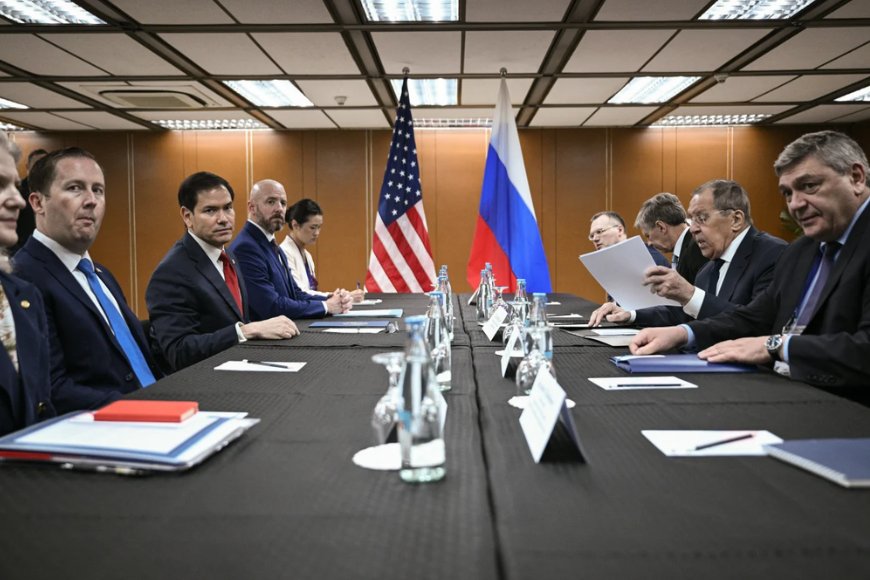
Rubio Meets Russian Foreign Minister Sergey Lavrov as Iran and Ukraine Conflicts Intensify
U.S. Secretary of State Marco Rubio held high-level talks with Russian Foreign Minister Sergey Lavrov amid escalating conflicts in Ukraine and the Middle East, highlighting the growing urgency for diplomatic engagement between Washington and Moscow. The meeting comes at a time when global security concerns are mounting due to continued fighting in Ukraine, heightened tensions involving Iran, and fears that regional conflicts could widen further.
The discussions marked one of the most significant direct diplomatic engagements between senior U.S. and Russian officials in recent months. Although relations between the two countries remain strained, both sides agreed that maintaining open lines of communication is essential during periods of heightened international instability.
According to officials familiar with the discussions, the meeting focused primarily on the ongoing war in Ukraine, the deteriorating security situation in the Middle East, strategic stability, and broader issues affecting international peace. Both diplomats also exchanged views on humanitarian concerns and the importance of preventing further escalation in regions already experiencing armed conflict.
The war in Ukraine remains the central issue dividing Washington and Moscow. The United States has continued to provide military, financial, and humanitarian assistance to Ukraine while maintaining sanctions against Russia. Moscow, meanwhile, has defended its military operations and repeatedly criticized Western support for Kyiv, arguing that such assistance prolongs the conflict.
Despite deep disagreements over Ukraine, diplomats from both countries acknowledged the importance of dialogue to reduce the risk of miscalculation between two nuclear powers. Analysts note that maintaining diplomatic communication is particularly important during periods of military escalation, even when prospects for a negotiated settlement remain limited.
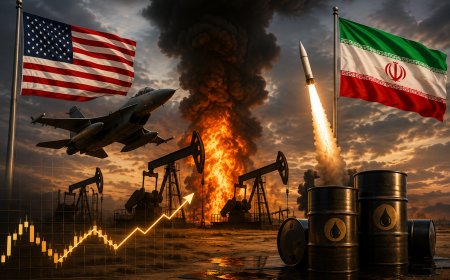
The conflict involving Iran and rising instability across the Middle East also featured prominently during the talks. Recent developments have increased concerns about regional security, maritime stability, energy supplies, and the possibility of a broader confrontation involving multiple countries.
Washington has expressed concerns over Iran's regional activities and its support for allied armed groups, while Russia has maintained diplomatic relations with Tehran and has frequently called for political dialogue instead of military escalation. These differing approaches make coordination challenging, but both governments recognize that a wider regional conflict could have serious global consequences.
Officials indicated that the discussions also covered broader strategic issues, including nuclear security, arms control, and the need to maintain communication channels between major powers. Although no major agreements were announced following the meeting, diplomatic observers viewed the talks as an important effort to prevent further deterioration in bilateral relations.
The meeting comes as international concern continues to grow over the humanitarian impact of ongoing conflicts. Millions of civilians have been displaced by the war in Ukraine, while violence across parts of the Middle East has created additional humanitarian and security challenges. International organizations continue to call for greater diplomatic efforts to reduce civilian suffering and encourage peaceful resolutions.
Experts believe that while the Rubio-Lavrov meeting is unlikely to produce immediate breakthroughs on either Ukraine or Iran, it demonstrates that diplomacy remains an essential tool even during periods of intense geopolitical rivalry. High-level engagement allows both governments to communicate their positions directly, reduce misunderstandings, and explore areas where limited cooperation may still be possible.
The talks also reflect the broader geopolitical reality that the United States and Russia remain influential global powers whose decisions affect international security, energy markets, and diplomatic stability. Even in the absence of formal agreements, continued dialogue is often viewed as a necessary mechanism for crisis management.
Observers note that future diplomatic contacts between Washington and Moscow may depend on developments on the battlefield in Ukraine, regional security conditions in the Middle East, and broader international efforts to prevent escalation. While substantial differences remain between the two governments, both sides appear to recognize that sustained communication is preferable to complete diplomatic isolation.
As conflicts in Ukraine and the Middle East continue to evolve, the international community will closely monitor whether this latest meeting opens the door to further negotiations or simply serves as an opportunity to manage tensions between two major global powers. For now, the Rubio-Lavrov talks underscore the continuing importance of diplomacy in addressing some of the world's most pressing security challenges.
What's Your Reaction?
 Like
0
 Dislike
0
 Love
0
 Funny
0
 Angry
0
 Sad
0
 Wow
0