






























Iran Threat Sparks US Military Response: Fighter Jets Shifted from Qatar, 50,000 Troops Alerted
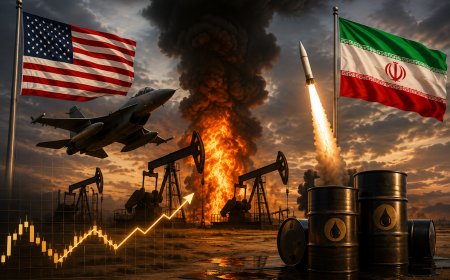
Growing concerns over potential Iranian attacks have prompted the United States to reportedly prepare the relocation of military aircraft from Qatar while placing nearly 50,000 American troops across the Middle East on heightened alert. The move underscores rising regional tensions amid fears of further military escalation.

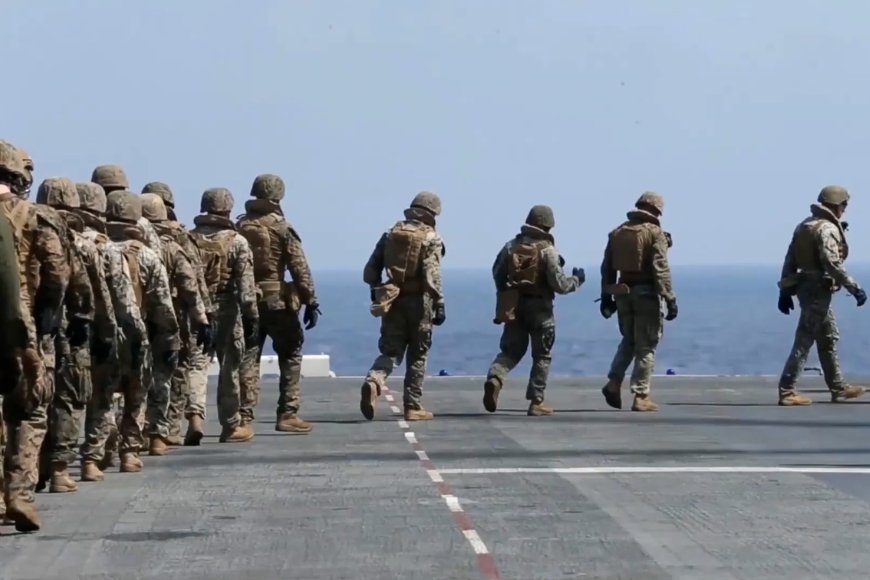
Middle East Tensions Escalate: US Prepares to Relocate Fighter Jets from Qatar as 50,000 American Troops Remain on High Alert
The security situation in the Middle East has entered another period of heightened uncertainty as tensions between the United States and Iran continue to intensify. Reports indicating that the United States is preparing to relocate some military aircraft from its key air base in Qatar have drawn global attention, reflecting growing concerns about the possibility of further Iranian military action.
At the same time, approximately 50,000 American military personnel stationed across the Middle East have reportedly been placed on a heightened state of readiness, highlighting the seriousness with which Washington is monitoring developments in the region. While US officials have emphasized that these measures are precautionary, analysts believe they underscore the fragile security environment and the potential for rapid escalation.
Rising Concerns Following Iranian Threats
The latest developments come amid renewed fears of possible Iranian retaliation following a series of regional military incidents. Over recent weeks, tensions between Tehran and Washington have increased due to ongoing disputes involving military operations, regional alliances, and strategic security concerns.
Although neither side has officially announced plans for direct confrontation, intelligence assessments and military preparations suggest that both countries are closely monitoring each other's activities.
US defense planners are reportedly reviewing the security of military installations across the Gulf, particularly those located within the range of Iranian missiles and drones.
Why Qatar Is Strategically Important
Qatar hosts one of the most significant American military installations in the Middle East—Al Udeid Air Base—which serves as the forward headquarters of the US Central Command (CENTCOM). The base plays a critical role in coordinating American air operations across the Gulf region, Iraq, Syria, and Afghanistan-related missions.
Because of its strategic importance, military assets stationed in Qatar are considered high-value targets during periods of regional instability.
According to defense reports, the United States is evaluating whether certain aircraft should be temporarily relocated to alternative bases in the region to reduce operational risks in the event of a sudden attack.
Military analysts note that relocating aircraft does not necessarily indicate an imminent conflict but rather reflects standard force-protection procedures designed to safeguard valuable military equipment.
Thousands of US Troops on High Alert
The reported decision to place nearly 50,000 American troops on heightened alert demonstrates the scale of US military preparedness in the Middle East.
American personnel are stationed across several countries, including Qatar, Bahrain, Kuwait, Saudi Arabia, the United Arab Emirates, Iraq, Syria, and Jordan. Their missions range from air defense and intelligence gathering to maritime security, counterterrorism operations, and regional deterrence.
Being placed on high alert typically means that troops are prepared for rapid deployment, defensive operations, or emergency response if security conditions deteriorate.
Military officials have not publicly disclosed any immediate threat but continue to stress that preparedness remains essential given the volatile regional environment.
Growing Missile and Drone Threats
One of the primary concerns for US military planners is Iran's expanding missile and drone capabilities.
Over the past decade, Iran has significantly enhanced its arsenal of ballistic missiles, cruise missiles, and unmanned aerial vehicles (UAVs). These systems have demonstrated the ability to strike military facilities and critical infrastructure over long distances.
Security experts believe that military bases in the Gulf remain vulnerable to coordinated missile or drone attacks, making enhanced defensive measures a top priority.
Consequently, additional air defense systems, surveillance assets, and intelligence operations have reportedly been strengthened across several American installations.
Diplomatic Efforts Continue
Despite increasing military readiness, diplomatic efforts remain active.
Regional governments, along with international partners, continue to encourage restraint and dialogue between Tehran and Washington to prevent further escalation.
Several Gulf nations have called for diplomatic engagement, warning that any direct military confrontation could destabilize the region, disrupt energy supplies, and negatively affect the global economy.
International organizations have also urged all parties to avoid actions that could trigger wider conflict.
Potential Impact on Global Energy Markets
The Middle East remains central to global oil and natural gas supplies. Any escalation involving Iran and US forces could significantly affect international energy markets.
Investors are closely watching developments, particularly because military tensions near the Persian Gulf and the Strait of Hormuz have historically contributed to higher crude oil prices.
Shipping companies are also monitoring security conditions in the Gulf, where commercial vessels could face increased risks if regional hostilities intensify.
Economists warn that prolonged instability may increase transportation costs, disrupt supply chains, and contribute to inflation in energy-importing countries.
Regional Military Coordination
US allies in the Middle East are also reviewing their security posture.
Countries hosting American military personnel have strengthened surveillance, increased intelligence sharing, and enhanced coordination with allied defense forces.
Joint military exercises, integrated air defense systems, and maritime patrols continue to play an important role in deterring potential threats and maintaining regional stability.
Military experts believe that close cooperation among allied nations remains essential in reducing the risk of miscalculation during periods of heightened tension.
What Happens Next?
While the relocation of aircraft and elevated military readiness demonstrate Washington's concern over the evolving security environment, defense analysts caution against interpreting these measures as confirmation of an imminent military conflict.
Such steps are commonly taken during periods of uncertainty to protect personnel, preserve operational capabilities, and ensure rapid response if required.
Nevertheless, the coming days will be closely watched by governments, defense analysts, and financial markets around the world.
Any further escalation between Iran and the United States could have consequences extending beyond the Middle East, affecting global energy supplies, international trade, regional security, and diplomatic relations.
For now, the United States continues to strengthen defensive preparedness while diplomatic efforts seek to reduce tensions. Whether the current situation evolves into a broader confrontation or stabilizes through dialogue will largely depend on decisions taken by both sides in the days ahead.
What's Your Reaction?
 Like
0
Like
0
 Dislike
0
Dislike
0
 Love
0
Love
0
 Funny
0
Funny
0
 Angry
0
Angry
0
 Sad
0
Sad
0
 Wow
0
Wow
0