












Myanmar’s Military Junta Launches Controversial Election Amid Ongoing Civil War
Myanmar’s military junta begins the first election since the 2021 coup amid ongoing civil war. The election faces criticism for legitimacy issues, low turnout, and exclusion of major opposition parties, while armed resistance and humanitarian crises continue across the country.

On 1 February 2021, Myanmar’s military, known as the Tatmadaw, staged a coup, ousting the elected government of Aung San Suu Kyi and her party, the National League for Democracy (NLD). The junta justified its actions by alleging election fraud in the 2020 polls — claims widely rejected by international observers.
The coup triggered massive nationwide protests and a violent crackdown by the military. Many young activists and civilians formed armed resistance groups, including People’s Defence Forces (PDFs), escalating into a nationwide civil war. Ethnic armed groups and resistance forces now control significant parts of the country, leaving the junta struggling to maintain authority.
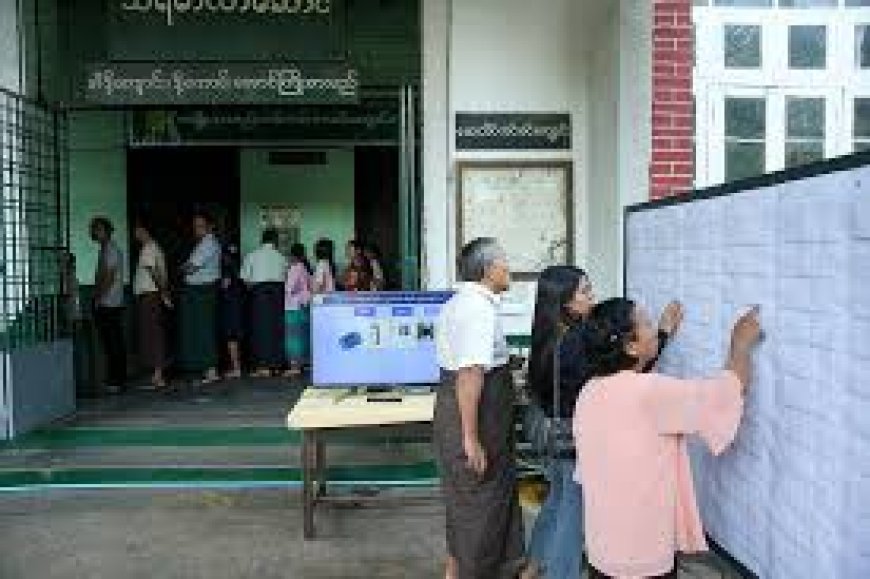
The military junta has launched a phased general election, beginning on 28 December 2025, with subsequent rounds scheduled for January 2026. This is the first election since the 2021 coup, and the junta presents it as a path toward stability and democracy.
The elections come after the junta officially ended a prolonged state of emergency, a prerequisite for holding the polls. However, key opposition parties, including the NLD, remain barred or dissolved, and political freedoms are heavily restricted.
Civil War and Security Issues
Holding an election during an ongoing civil war is unprecedented. Large areas remain outside junta control, making a nationwide vote impossible. Armed resistance groups continue to engage the military, and many citizens live in fear or actively boycott the elections.
Legitimacy Concerns
International observers and human rights organizations have criticized the elections as a sham, aimed at legitimizing continued military rule rather than restoring democracy. Reports indicate low voter turnout in many regions due to apathy, fear, and active resistance by opposition forces.
International Response
Western governments and the United Nations have condemned the election as undemocratic, while countries such as China, Russia, India, and Vietnam have maintained a more neutral or accommodating stance.
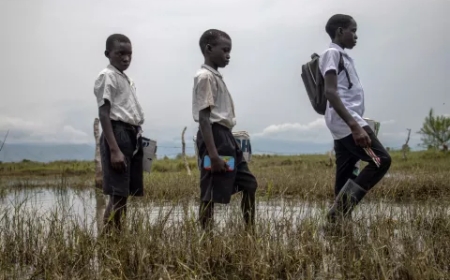
The civil war has created a severe humanitarian crisis. Millions of people have been displaced, tens of thousands killed, and communities left in chaos. Fighting continues on multiple fronts, highlighting the junta’s limited territorial control despite its formal authority.
Myanmar’s military junta is attempting to secure political legitimacy through the 2025 election, yet the ongoing civil war casts deep doubt on the credibility and inclusiveness of the process. While the junta controls some areas, opposition groups remain active and the country continues to face widespread conflict and human suffering.
The election may mark a formal step in Myanmar’s political calendar, but without genuine participation or peace, it is unlikely to bring the stability and democracy that the nation desperately needs.
What's Your Reaction?
 Like
0
Like
0
 Dislike
0
Dislike
0
 Love
0
Love
0
 Funny
0
Funny
0
 Angry
0
Angry
0
 Sad
0
Sad
0
 Wow
0
Wow
0