



































Netanyahu Approves $35 Billion Israel–Egypt Gas Deal | Regional Energy Pact
Israeli PM Benjamin Netanyahu has approved a landmark $35 billion natural gas export agreement with Egypt, marking the largest energy deal in Israel’s history. The pact is expected to strengthen Israel’s regional energy role, support Egypt’s energy needs, and deepen economic ties.

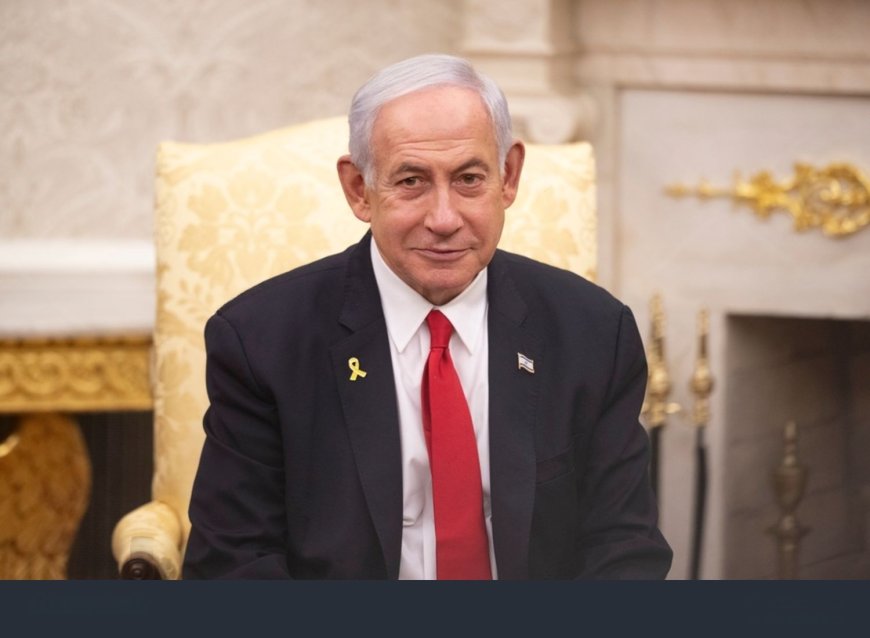
Netanyahu Greenlights Historic $35 B Gas Export Deal With Egypt to Boost Regional Energy Cooperation
Jerusalem — Israeli Prime Minister Benjamin Netanyahu on December 17, 2025, approved a landmark $35 billion natural gas export agreement with Egypt, describing it as the largest gas deal in Israel’s history and a major milestone in regional energy cooperation and economic strategy.
In a televised address, Netanyahu said the gas export pact—valued at about 112 billion shekels (approx. $34.7 billion)—will provide a long-term boost to Israel’s economy, with around half of the projected revenue expected to flow into the state treasury.
Historic Energy Pact With Egypt
The deal, which was first signed in August 2025 but required official government approval, involves the supply of natural gas from Israel’s offshore Leviathan field to Egypt over an extended period—with a total of roughly 130 billion cubic meters expected to be exported.
Netanyahu highlighted the broad benefits of the agreement, saying the revenues will help fund education, healthcare, infrastructure, and national security projects in Israel, and that the pact “greatly strengthens Israel’s status as a regional energy power.”
Role of U.S. Energy Partners and Regional Context
The gas export deal includes the participation of U.S. energy giant Chevron and its Israeli partners, continuing long-term cooperation on energy exports from the Leviathan field—one of the Mediterranean’s most significant offshore gas reserves.
Approval of the deal followed diplomatic pressure from the United States, which has encouraged closer economic ties between Israel and Egypt amid efforts to stabilize the region after recent conflicts.
Egypt, which has faced a persistent energy crunch due to declining domestic production and rising demand, has relied increasingly on gas imports. Analysts say the new pact could cut Egypt’s energy import costs and support its industrial and economic growth.
Economic and Strategic Impacts
Industry observers say the agreement signals a shift in Middle Eastern energy dynamics, with Israel emerging as a prominent gas exporter and Egypt positioning itself as an energy transit and processing hub. The long-term contract is expected to make pipeline gas more economical for Egyptian consumption compared with liquefied natural gas (LNG) imports.
Despite rapprochement in this economic sphere, some critics—including civil society groups in Israel—have called for greater transparency around the deal and raised concerns about ensuring domestic energy security alongside export commitments.
The $35 billion gas export agreement represents a major chapter in Israel–Egypt economic ties, reinforcing regional interdependence in energy markets. As infrastructure upgrades and supply logistics roll out, observers expect the pact’s full effects to unfold over the coming decade, potentially reshaping energy cooperation between the two nations.
What's Your Reaction?
 Like
0
Like
0
 Dislike
0
Dislike
0
 Love
0
Love
0
 Funny
0
Funny
0
 Angry
0
Angry
0
 Sad
0
Sad
0
 Wow
0
Wow
0