






























“Netanyahu Tightens the Screw on Gaza Ceasefire Talks"
Israel and Hamas are on the brink of entering the second phase of a U.S.-backed ceasefire plan. Netanyahu says progress depends on Hamas returning the final Israeli hostage’s remains and demonstrating genuine willingness to reduce its military capabilities. Phase Two includes troop withdrawals from Gaza, deployment of an international security force, and temporary Palestinian governance. Hamas shows some openness to freezing weapons, but Israel remains wary. Global mediators are pushing hard to secure the deal, warning that the peace effort is at a delicate, high-stakes moment.

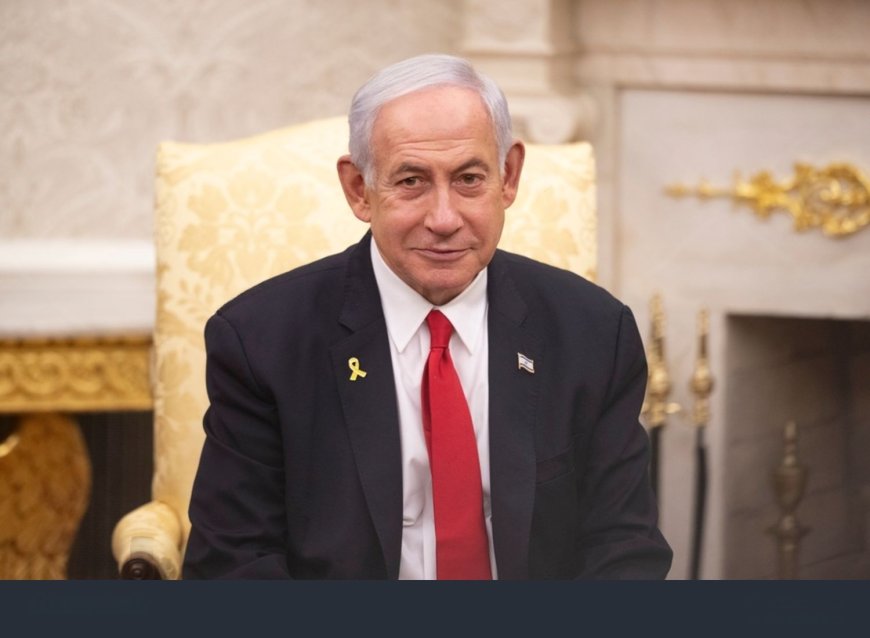
Israel–Gaza Ceasefire Plan Enters High-Stakes Phase as Netanyahu Signals Tough Conditions
Momentum is building around the next stage of the Israel–Gaza ceasefire plan, but the path ahead remains tense and uncertain. Israeli Prime Minister Benjamin Netanyahu said today that Israel is “very close” to moving into the plan’s crucial second phase—but only after Hamas fulfills several “non-negotiable” conditions, including the return of the final Israeli hostage’s remains and clear commitments on disarmament.
The statement comes as diplomatic pressure intensifies from the U.S., regional mediators, and international partners to lock in a sustained pause in hostilities and prevent a relapse into full-scale conflict. Netanyahu’s tone, however, signals that Israel is unwilling to advance without concrete actions from Hamas.
Under the proposed Phase Two, Israel would begin a gradual withdrawal of forces from Gaza, while an international stabilization force—backed by the U.S. and key Arab states—would deploy to secure critical areas, prevent militant regrouping, and oversee humanitarian corridors. A temporary Palestinian civil administration would also be established to manage governance until long-term arrangements are finalized.
In a significant and unexpected development, a senior Hamas official recently expressed openness to discussing the “freezing or storing” of weapons—the closest the group has come to acknowledging international calls for demilitarization. While the comment drew cautious optimism from Western diplomats, Israeli officials say the wording is far from sufficient.
Netanyahu’s posture reflects skepticism that Hamas is ready for real compromise. Advisers close to the prime minister have repeatedly insisted that Israel will not move ahead on any plan that jeopardizes national security or allows Hamas to rebuild its military capabilities.
International partners—particularly the U.S., Egypt, and Qatar—are urging both sides to maintain restraint as negotiations enter what observers call “the make-or-break phase” of the peace framework.
With humanitarian conditions still fragile in Gaza and political tensions rising in Israel, the next 72 hours are expected to be critical. Whether this moment becomes a turning point toward stability or slips back into conflict depends on decisions made now—and on whether both sides can agree on security guarantees long considered impossible.
What's Your Reaction?
 Like
0
Like
0
 Dislike
0
Dislike
0
 Love
0
Love
0
 Funny
0
Funny
0
 Angry
0
Angry
0
 Sad
0
Sad
0
 Wow
0
Wow
0