




























Over 500 Refugees Missing After Two Boats Vanish Off Myanmar Coast, UN Raises Alarm
More than 500 people, mostly Rohingya refugees, are feared missing after two boats disappeared off Myanmar’s coast. UN agencies have expressed deep concern over the possible loss of life, as desperate refugees continue taking dangerous sea routes amid conflict and humanitarian crises.

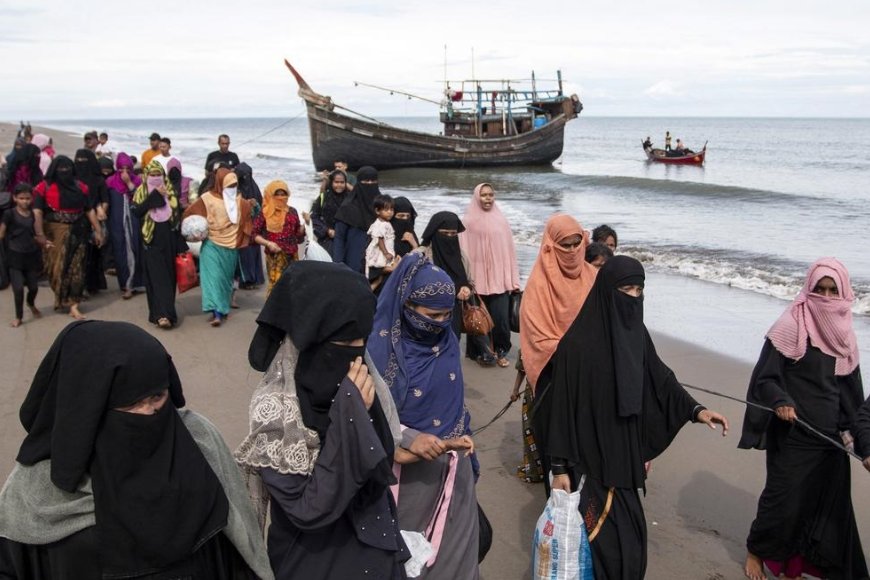
A major humanitarian crisis has emerged off the coast of Myanmar after more than 500 refugees were reported missing following the disappearance of two boats carrying people attempting to flee difficult conditions. United Nations agencies have raised concerns over a possible large-scale tragedy, with many of those believed to be missing identified as Rohingya refugees.
The incident has once again highlighted the dangerous journeys undertaken by thousands of displaced people across the Bay of Bengal and Andaman Sea in search of safety, stability, and better living conditions. According to humanitarian agencies, the missing boats were carrying hundreds of people who had taken the risky maritime route from Myanmar’s Rakhine State.
Reports indicate that one of the boats lost contact soon after leaving Myanmar, while another vessel is believed to have capsized near Myanmar’s Ayeyarwady coast. The exact number of passengers and their current status remain under investigation, but aid agencies fear a devastating loss of life.
The Rohingya community has faced years of displacement, violence, and restrictions in Myanmar. Many Rohingya refugees have been forced to seek shelter in neighbouring countries, particularly Bangladesh, where large refugee settlements have struggled with overcrowding, limited resources, and declining humanitarian support.
The latest incident reflects a continuing pattern of desperate attempts by refugees to escape insecurity and hardship. Many people risk their lives on overcrowded and unsafe boats operated by smugglers, often travelling through dangerous weather conditions and rough seas.
Humanitarian organisations have repeatedly warned that these sea journeys can turn deadly, especially during periods of harsh weather. Overloaded boats, poor navigation equipment, limited food and water supplies, and lack of emergency support increase the risks faced by passengers.
The United Nations High Commissioner for Refugees (UNHCR) and the International Organization for Migration (IOM) have expressed concern over the reports and stressed the need for stronger search-and-rescue operations and regional cooperation to prevent further tragedies.
The crisis comes amid continuing instability in Myanmar, particularly in Rakhine State, where conflict and insecurity have forced many civilians to leave their homes. For Rohingya refugees, the situation remains especially challenging due to their long-standing stateless status and limited access to basic rights and opportunities.
Many refugees living in camps outside Myanmar face difficult conditions, including shortages of essential supplies and uncertainty about their future. These challenges have pushed some people towards dangerous migration routes despite knowing the risks involved.
The disappearance of the boats has renewed international calls for urgent action. Human rights groups and humanitarian agencies say that governments in the region must work together to combat human trafficking networks, improve maritime rescue systems, and create safer alternatives for displaced communities.
The tragedy also raises broader questions about the global refugee crisis and the responsibilities of countries to protect vulnerable populations. Experts say that without addressing the root causes of displacement, including conflict, persecution, and lack of economic opportunities, people will continue to undertake dangerous journeys.
For years, Rohingya refugees have attempted to reach countries such as Malaysia and Indonesia through sea routes. However, many have faced rejection, detention, or life-threatening conditions during these journeys. The latest incident adds to a growing list of maritime disasters involving refugees in Southeast Asia.
International agencies have urged countries in the region to follow humanitarian principles and ensure that people in distress at sea receive immediate assistance. They have also called for stronger measures against criminal networks that exploit vulnerable refugees.
The Myanmar boat tragedy has once again brought global attention to the struggles of the Rohingya community. Behind the numbers are hundreds of individuals, including families and children, who were hoping for a safer future.
As investigations continue, families of those missing remain desperate for information. Humanitarian organisations are working to verify details, coordinate rescue efforts, and provide support to affected communities.
The incident serves as a reminder of the urgent need for long-term solutions to refugee crises around the world. Providing humanitarian aid, ensuring protection, and addressing the causes that force people to flee are essential steps to prevent similar tragedies in the future.
The international community is now watching developments closely as authorities and aid agencies attempt to determine the fate of those missing at sea. For hundreds of families, the search for answers continues amid one of the region’s latest humanitarian emergencies.
What's Your Reaction?
 Like
0
Like
0
 Dislike
0
Dislike
0
 Love
0
Love
0
 Funny
0
Funny
0
 Angry
0
Angry
0
 Sad
0
Sad
0
 Wow
0
Wow
0