








PM Modi Receives Grand Māori Welcome in New Zealand, Cultural Ceremony Captures Global Attention
Prime Minister Narendra Modi received a traditional Māori welcome during his visit to New Zealand, highlighting the deepening relationship between the two nations. The ceremony, featuring the iconic Haka performance and other Māori customs, drew global attention and underscored the importance of cultural diplomacy in strengthening India–New Zealand ties.

PM Modi Receives Grand Māori Welcome in New Zealand, Cultural Ceremony Captures Global Attention
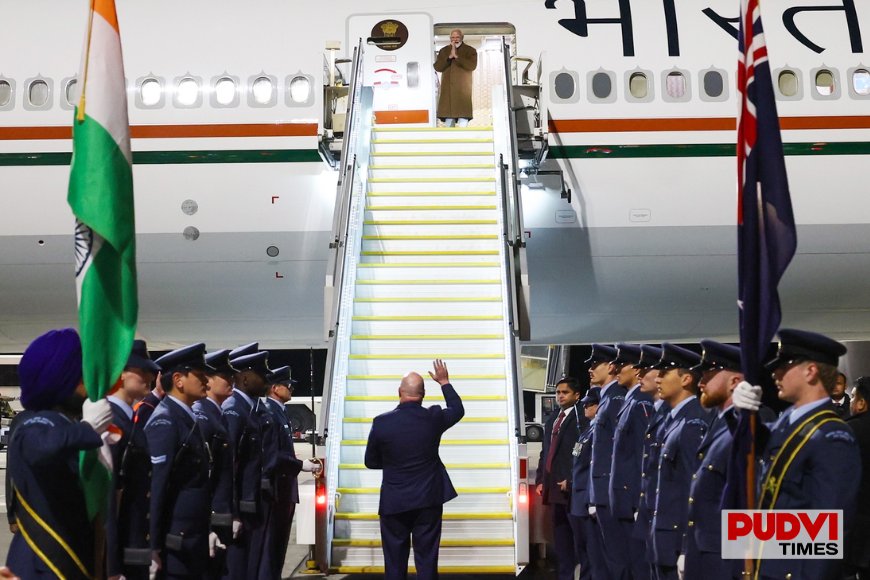
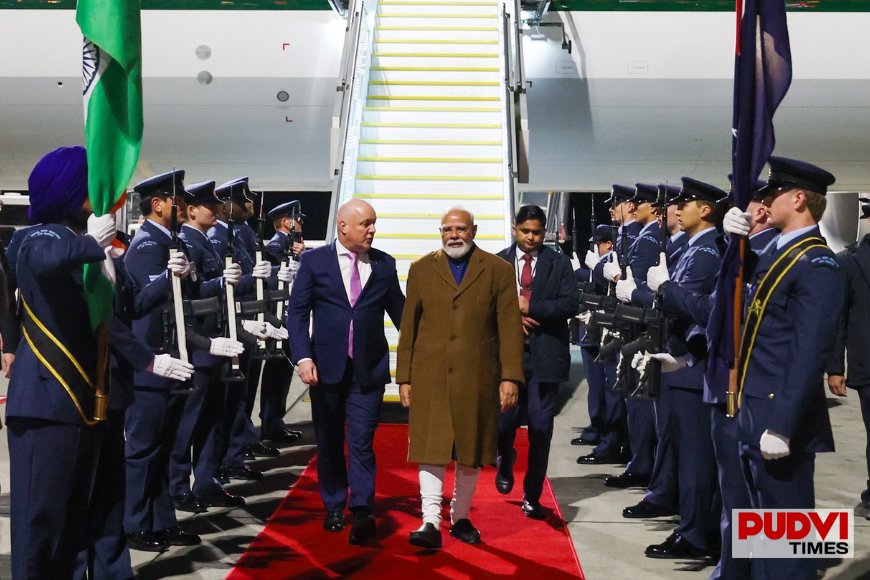
Prime Minister Narendra Modi received a grand traditional Māori welcome during his official visit to New Zealand, a ceremony that quickly became one of the most talked-about moments of the visit. The cultural reception showcased New Zealand's indigenous Māori traditions and reflected the country's highest form of respect for an esteemed international guest. Images and videos from the event spread rapidly across social media, attracting admiration from people around the world and highlighting the growing friendship between India and New Zealand.
The welcome ceremony featured traditional Māori customs, including ceremonial chants, cultural performances, and the world-famous Haka, a powerful expression of unity, courage, and respect. Far from being merely a formal diplomatic event, the ceremony symbolized the strengthening strategic, cultural, and economic partnership between the two nations.
A Warm Welcome Rooted in Māori Heritage
The Māori are the indigenous people of New Zealand and have preserved a rich cultural heritage that dates back centuries. Their customs and traditions remain an integral part of New Zealand's national identity, and ceremonial welcomes are reserved for occasions of great significance.
Prime Minister Modi was greeted through a traditional Māori welcoming ceremony, where performers dressed in customary attire presented songs, chants, and cultural rituals. One of the highlights was the Haka, often misunderstood solely as a war dance but widely recognized as an expression of respect, unity, strength, and hospitality. Today, the Haka is performed during important national ceremonies, state visits, sporting events, and community celebrations.
The elaborate ceremony reflected New Zealand's appreciation for India and demonstrated the country's desire to further strengthen bilateral ties with one of the world's fastest-growing economies.
Cultural Diplomacy Takes Center Stage
In modern international relations, diplomacy extends beyond official meetings and economic agreements. Cultural diplomacy has become an essential tool for building trust and strengthening people-to-people connections.
The Māori welcome offered to Prime Minister Modi represented more than ceremonial protocol. It highlighted New Zealand's commitment to honoring its indigenous traditions while extending genuine respect to a valued international partner.
Similarly, India has long promoted its own cultural heritage through initiatives centered on yoga, Ayurveda, classical music, traditional festivals, and spiritual tourism. Such exchanges reinforce mutual understanding and create stronger foundations for long-term diplomatic cooperation.
The ceremony served as a reminder that cultural respect often complements political dialogue, making international partnerships more meaningful and enduring.
Strengthening India–New Zealand Relations
Prime Minister Modi's visit is considered strategically significant for both nations. India and New Zealand have steadily expanded cooperation across multiple sectors, including trade, education, agriculture, dairy technology, renewable energy, digital innovation, defense, tourism, and investment.
Experts believe that the visit provides an opportunity to accelerate collaboration in areas where both countries possess complementary strengths. New Zealand's expertise in sustainable agriculture and dairy production aligns well with India's expanding agricultural modernization initiatives. Likewise, India's growing digital economy and technology ecosystem create opportunities for increased investment and innovation partnerships.
The two countries also share common interests in maintaining stability and prosperity in the Indo-Pacific region, making strategic cooperation increasingly important in the evolving global geopolitical landscape.
Indian Diaspora Celebrates the Historic Visit
The Indian community in New Zealand turned out in large numbers to welcome Prime Minister Modi, creating an atmosphere filled with enthusiasm and national pride. Members of the diaspora waved both Indian and New Zealand flags, celebrating what many described as a historic occasion.
For many overseas Indians, the visit represented not only diplomatic engagement but also recognition of India's expanding influence on the global stage. Community leaders expressed optimism that stronger bilateral relations would create new opportunities for students, professionals, entrepreneurs, and businesses operating between the two countries.
The presence of a vibrant Indian diaspora has become an important bridge connecting India and New Zealand, contributing significantly to cultural exchange and economic cooperation.
Social Media Buzz Around the Ceremony
Photographs and videos from the Māori welcome quickly gained momentum across social media platforms, where users praised the ceremony's cultural richness and symbolism.
Many observers admired New Zealand for embracing its indigenous traditions during such a high-profile diplomatic event. Users described the welcome as a beautiful example of how countries can celebrate their heritage while strengthening international friendships.
The visuals of the Haka performance, traditional attire, ceremonial greetings, and enthusiastic crowds resonated with audiences worldwide, making the event one of the most shared moments from Prime Minister Modi's visit.
Key Issues Expected to Shape Bilateral Talks
Beyond the ceremonial welcome, Prime Minister Modi's visit is expected to include discussions on several important areas of mutual interest. These include expanding bilateral trade, encouraging investment flows, strengthening educational partnerships, increasing student exchange programs, enhancing agricultural cooperation, promoting clean energy initiatives, improving digital technology collaboration, and deepening defense and maritime security cooperation.
Climate change, sustainable development, renewable energy, innovation, and resilient supply chains are also expected to feature prominently in discussions. As both countries continue to diversify their economic partnerships, these conversations could lay the groundwork for future agreements and collaborative projects.
Analysts believe the visit could open new opportunities for businesses, educational institutions, technology companies, and research organizations in both countries.
India's Expanding Global Role
Over the past decade, India has emerged as a significant global player through active engagement in international forums and strategic partnerships. From its leadership during the G20 Presidency to its role in the Quad and its advocacy for the Global South, India has consistently expanded its diplomatic outreach.
Prime Minister Modi's overseas visits often receive considerable international attention, reflecting India's growing geopolitical relevance and economic importance. The grand Māori welcome in New Zealand is widely seen as another example of India's increasing stature in global affairs and the respect it commands among partner nations.
As countries seek reliable partners in a rapidly changing world, India's expanding influence in trade, technology, innovation, security, and sustainable development continues to strengthen its international relationships.
Why This Welcome Matters
The Māori welcome extended to Prime Minister Modi carries significance beyond symbolism. It reflects New Zealand's recognition of India as a trusted partner and demonstrates the importance of cultural respect in international diplomacy.
By honoring India's Prime Minister through one of New Zealand's most cherished indigenous traditions, the ceremony showcased mutual appreciation and reinforced the values of inclusivity, respect, and friendship. It also highlighted how preserving cultural heritage can coexist with building modern diplomatic relationships.
The event represented not only a meeting between two governments but also a celebration of two ancient civilizations and their shared commitment to cooperation, diversity, and mutual understanding.
Conclusion
Prime Minister Narendra Modi's grand Māori welcome in New Zealand has become one of the defining moments of his visit, attracting worldwide attention for its cultural significance and diplomatic symbolism. The traditional ceremony, including the iconic Haka performance and indigenous rituals, reflected New Zealand's highest respect for India and underscored the growing partnership between the two countries.
As India and New Zealand continue expanding cooperation across trade, education, agriculture, technology, defense, clean energy, and regional security, the visit is expected to strengthen bilateral relations further. More importantly, the ceremony demonstrated that cultural diplomacy remains a powerful instrument in fostering international goodwill, building trust, and creating lasting partnerships between nations. The memorable welcome stands as a symbol of friendship, shared values, and a promising future for India–New Zealand relations.
What's Your Reaction?
Like
0
Dislike
0
Love
0
Funny
0
Angry
0
Sad
0
Wow
0