
































‘Ran’ and ‘Harakiri’ Star Tatsuya Nakadai Dies at 92 — Remembering His Cinematic Brilliance
Tokyo, November 11: The world of cinema is mourning the loss of one of its most enduring and magnetic figures. Tatsuya Nakadai, the legendary Japanese actor whose commanding performances in Ran, Harakiri, and Samurai Rebellion defined generations of Japanese filmmaking, has passed away at the age of 92. The news of his death was confirmed by The Japan News earlier today.

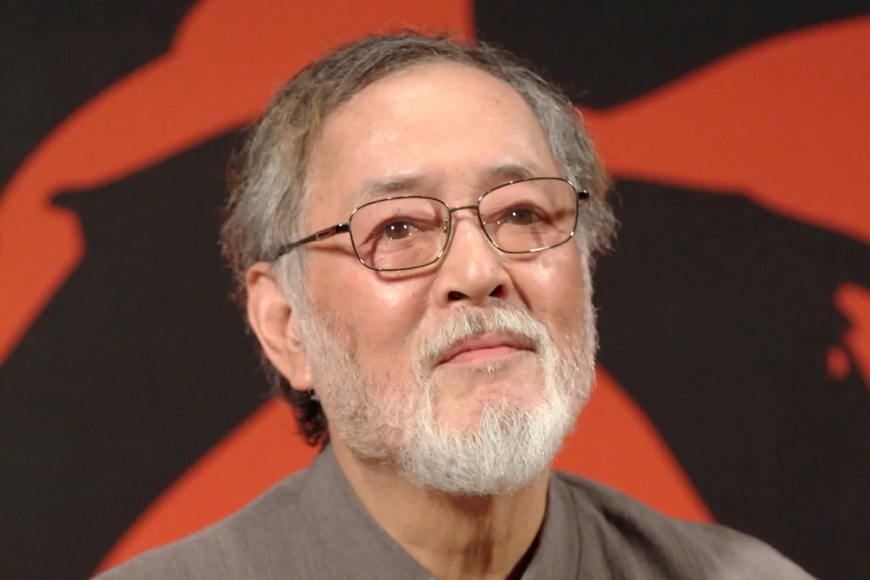
Known for his versatility and depth, Nakadai’s passing marks the end of a golden era in Japanese cinema — an era shaped by filmmakers like Akira Kurosawa and Masaki Kobayashi, and illuminated by Nakadai’s unforgettable presence on screen.
From Humble Beginnings to Global Stardom
Born Motohisa Nakadai on December 13, 1932, in Tokyo, Nakadai’s journey to stardom was one of resilience and passion. After losing his father in 1941, his family moved to Aoyama, where he grew up in modest circumstances. His love for performance led him to the Haiyuza Training School, setting the stage for a career that would span over six decades.
Nakadai’s first brush with cinema came in Masaki Kobayashi’s The Thick-Walled Room (1953), in which he played a small, uncredited role. The collaboration blossomed into one of Japanese cinema’s most defining actor-director partnerships, producing masterpieces such as Harakiri (1962), Kwaidan (1964), and Samurai Rebellion (1967).
The Kurosawa Connection: Global Acclaim Through ‘Ran’
To Western audiences, Nakadai became synonymous with Akira Kurosawa’s epic storytelling. His portrayal of the aging warlord Hidetora Ichimonji in Ran (1985) — Kurosawa’s adaptation of Shakespeare’s King Lear — remains one of the most acclaimed performances in world cinema.
At 52, Nakadai delivered a haunting, physically demanding performance that captured the frailty of power and the tragedy of human ambition. Critics around the world hailed it as a masterclass in acting, cementing his reputation as Japan’s greatest screen performer.
A Career Defined by Range and Resilience
Nakadai was not just a samurai hero — he was a chameleon of emotions and genres. From the restrained honor of Harakiri to the dark humor of Kihachi Okamoto’s Kill! (1968), his filmography showcased his unmatched range.
He continued to reinvent himself in later years, even lending his voice to Studio Ghibli’s The Tale of the Princess Kaguya (2013), proving that his artistry transcended generations.
Over his career, Nakadai appeared in more than 130 films, collaborating with masters like Kobayashi, Kurosawa, Okamoto, and Mikio Naruse. His work earned him lifetime achievement awards and international acclaim from Cannes to Venice.
Legacy and Personal Life
Tatsuya Nakadai was predeceased by his wife, Kyoko Miyazaki, a playwright and producer. He is survived by their daughter, Nao Nakadai.
For many in Japan and abroad, his passing is more than the loss of a great actor — it is the closing chapter of Japan’s golden cinematic age. Film lovers, critics, and directors worldwide have paid tribute to Nakadai’s unmatched legacy.
“He wasn’t just performing — he was the character. Every role he played carried truth, dignity, and fire,” said a film historian from Tokyo University.
The End of a Golden Era
With Tatsuya Nakadai’s passing, an era of majestic storytelling and deeply human cinema comes to a close. His work continues to inspire generations of actors and filmmakers, both in Japan and across the world.
As fans revisit Ran, Harakiri, and Kwaidan, they are reminded of an artist who transcended language and culture — a true master of his craft.
What's Your Reaction?
 Like
0
Like
0
 Dislike
0
Dislike
0
 Love
0
Love
0
 Funny
0
Funny
0
 Angry
0
Angry
0
 Sad
0
Sad
0
 Wow
0
Wow
0