























Shardiya Navratri 2026: Date, Ghatasthapana Muhurat, Puja Rituals and Important Dates
Shardiya Navratri 2026 begins on October 11, marking nine days of worship dedicated to Goddess Durga and her nine forms. Know the auspicious Ghatasthapana (Kalash Sthapana) timings, puja essentials, important festival dates and the religious significance of the occasion.

Shardiya Navratri 2026 Begins on October 11
Shardiya Navratri, one of the most significant Hindu festivals dedicated to Goddess Durga, will begin on Sunday, October 11, 2026. The nine-day festival is observed with prayers, fasting, devotional rituals and worship of the nine forms of the Goddess, collectively known as Navdurga.
Homes and temples are decorated for the occasion, while devotees prepare for the festival by arranging puja materials and setting up their worship spaces. Ghatasthapana, also known as Kalash Sthapana, marks the traditional beginning of Navratri celebrations.
Ghatasthapana Muhurat 2026: Auspicious Timings
According to the Panchang timings reported for New Delhi, Ghatasthapana on October 11 will have a morning auspicious window from 6:19 AM to 10:12 AM. An alternative Abhijit Muhurat is reported from 11:44 AM to 12:31 PM.
-
Festival begins: Sunday, October 11, 2026
-
Morning Ghatasthapana Muhurat: 6:19 AM to 10:12 AM
-
Abhijit Muhurat: 11:44 AM to 12:31 PM
-
Festival period: Nine days of worship, followed by Vijayadashami on October 20
Muhurat timings can vary by location and Panchang calculation. Devotees should verify the timings for their own city before performing the ritual.
Why Is Ghatasthapana Important?
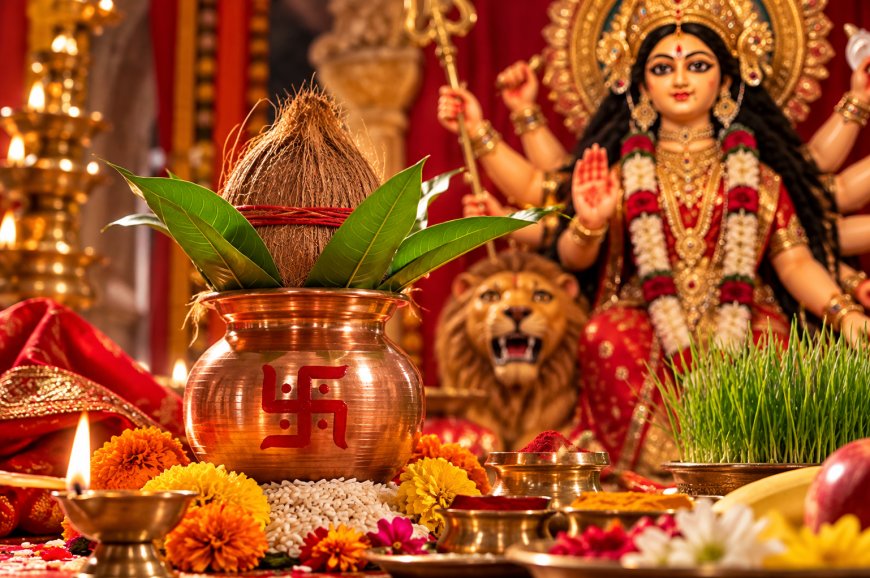
Ghatasthapana is an important ritual performed on the first day of Navratri. A sacred pot, or kalash, is prepared and installed in the designated worship area according to family and regional traditions. The ritual symbolises the invocation of divine energy and the beginning of the nine-day worship of Goddess Durga.
Many devotees also sow barley seeds in a small earthen vessel as part of the ritual. The growing shoots are traditionally associated with prosperity, growth and auspicious beginnings.
Ghatasthapana Puja Materials
Devotees generally prepare the following items before beginning the ritual:
-
A kalash or sacred pot filled with water
-
Coconut and mango or Ashoka leaves, according to tradition
-
An earthen vessel, clean soil and barley seeds
-
Red cloth, roli, rice grains and flowers
-
Incense sticks, a diya and other items used in daily worship
-
Fruits and offerings for the Goddess
The exact list may differ according to local customs and family traditions.
How Is Kalash Sthapana Performed?
The worship area is first cleaned and prepared. Devotees then arrange the earthen vessel and barley seeds, if followed in their tradition. The kalash is filled with water and decorated with the customary leaves and coconut. It is placed at the designated spot, followed by prayers to Goddess Durga and the performance of the puja and aarti.
Devotees should follow their family traditions or the guidance of a trusted priest for the precise ritual procedure.
Worship of Maa Shailputri on the First Day
On the first day of Navratri, devotees worship Maa Shailputri, the first form of Goddess Durga. In Hindu religious tradition, she is associated with strength, stability and nature. Devotees offer prayers and may observe a fast as they begin their nine-day spiritual observance.
Over the following days, worship is dedicated to the different forms of Navdurga, with each day carrying its own religious significance.
Maa Durga's Arrival on an Elephant: Religious Belief
According to a traditional belief referenced in reports about this year's festival, when Navratri begins on a Sunday or Monday, Goddess Durga's vehicle is considered to be an elephant. The elephant is traditionally associated with prosperity, good rainfall and agricultural abundance.
These interpretations are part of religious tradition and belief rather than scientifically established predictions.
Important Navratri Dates in 2026
Shardiya Navratri begins on October 11, while Vijayadashami, also known as Dussehra, falls on October 20, 2026. Mahashtami is reported for October 18, although devotees should consult their local Panchang for the observance of Ashtami and Navami.
As preparations begin, devotees are advised to arrange puja materials in advance, keep the worship area clean and check the locally applicable Ghatasthapana timings.
Shardiya Navratri is observed as a time of devotion, discipline and spiritual reflection. Through prayers, fasting and traditional rituals, devotees seek the blessings of Goddess Durga for strength, peace and prosperity.
What's Your Reaction?
 Like
0
 Dislike
0
 Love
0
 Funny
0
 Angry
0
 Sad
0
 Wow
0