





















Field Trial for Rs 10, Rs 20 Polymer Currency Notes Approved: Does It Signal the End of Paper Currency?
The Government of India has approved field trials for ₹10 and ₹20 polymer banknotes to test their durability and security. While the move marks a significant step towards modernising India's currency system, officials have clarified that it does not mean paper currency is being phased out.

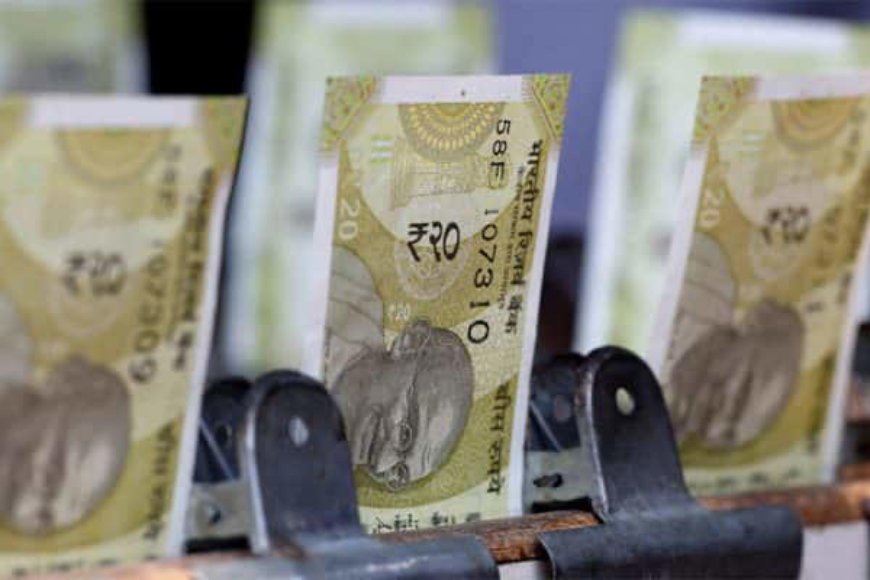
The Government of India has approved the Reserve Bank of India's (RBI) proposal to conduct field trials of ₹10 and ₹20 polymer currency notes, sparking speculation over whether India is preparing to replace traditional paper banknotes. While the announcement has generated considerable interest, officials have clarified that the pilot project is only an experimental exercise and does not indicate the end of paper currency in the country.
The field trial is aimed at evaluating the performance of polymer banknotes under real-world conditions. These notes will be tested across different climatic regions and varying levels of circulation to determine how well they withstand daily wear and tear. The government and RBI will assess their durability, resistance to moisture, ability to retain security features, and overall cost-effectiveness before taking any decision on wider adoption.
Why Polymer Notes?
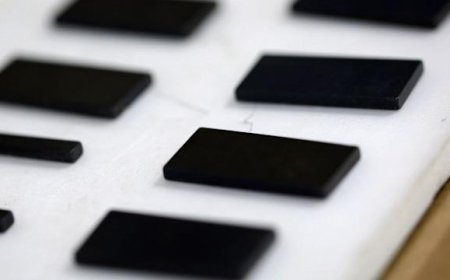
Unlike conventional currency, which is printed on a special cotton-based paper, polymer notes are made from a thin, flexible plastic film. This material is known for its superior durability and longer lifespan. Several countries, including Australia, Canada, New Zealand, the United Kingdom and Singapore, have successfully introduced polymer banknotes over the past few decades.
Polymer notes offer multiple advantages. They are more resistant to water, dirt and physical damage, making them ideal for countries with diverse weather conditions. Since they remain in circulation for a longer period, central banks spend less on replacing damaged notes. In addition, polymer notes are equipped with advanced security features that make them significantly harder to counterfeit.
What Will the Trial Involve?
According to reports, the RBI plans to print nearly 100 crore ₹10 notes and 100 crore ₹20 notes as part of the field trial. These notes will be introduced in selected regions where authorities can closely monitor their performance over time.
The trial will help determine how the notes react to different environmental conditions, including extreme heat, humidity, heavy rainfall and frequent handling. Officials will also gather public feedback regarding the feel, usability and acceptance of polymer currency in everyday transactions.
If the trial proves successful, the RBI may consider expanding the use of polymer notes to additional denominations in the future. However, any such decision would only be taken after detailed technical evaluations and approval from the central government.
Does This Mean Paper Currency Is Ending?
The simple answer is No.
Government officials have clearly stated that the field trial does not signal the withdrawal of existing paper currency. There is currently no proposal to replace all paper notes with polymer banknotes.
Instead, polymer notes may eventually circulate alongside existing paper currency if the trial delivers positive results. Traditional banknotes will continue to remain legal tender, and there is no indication that they will be phased out anytime soon.
The RBI has also reiterated that the initiative is intended to improve the quality and longevity of currency rather than eliminate paper notes.
Benefits for the Economy
Introducing polymer notes could provide several long-term economic benefits.
Since polymer banknotes last much longer than paper notes, the RBI would require fewer replacement print runs, reducing overall printing and distribution costs. Their enhanced durability would also mean fewer torn or damaged notes entering circulation, improving the quality of currency used by the public.
Counterfeit currency has long been a concern for authorities. Polymer notes can incorporate sophisticated transparent windows, holographic elements and other security technologies that are difficult to replicate, helping strengthen India's fight against fake currency.
Cleaner and more durable notes may also improve public confidence in cash transactions, particularly in rural and semi-urban areas where cash continues to play an important role despite the rapid growth of digital payments.
What About Digital Payments?
The approval of polymer note trials has no direct connection with India's digital payment ecosystem.
Over the past few years, UPI, mobile wallets and digital banking have transformed the country's payment landscape. However, the RBI has repeatedly maintained that digital payments and physical cash are complementary rather than competing systems.
Cash remains an essential mode of payment for millions of Indians, especially in rural areas, small businesses and sectors where digital infrastructure is still developing. Therefore, improving the quality of physical currency remains an important objective even as digital transactions continue to expand.
Environmental Considerations
Although polymer notes are made from plastic, they often have a lower environmental impact over their complete lifecycle because they remain in circulation for much longer than paper notes.
Their extended lifespan reduces the frequency of replacement, lowering production requirements and transportation costs. Many countries also recycle retired polymer notes into plastic products such as furniture, construction materials and household items instead of disposing of them as waste.
What Happens Next?
The field trials are expected to begin after the printing process is completed. During the testing phase, authorities will monitor the notes' performance under different usage conditions and collect detailed data.
If the pilot project achieves the expected results, the RBI may submit recommendations for broader implementation. However, such a move would require further approvals, policy discussions and technical planning.
For now, there is no need for the public to exchange existing currency or worry about the validity of paper notes. All current ₹10 and ₹20 banknotes will continue to remain fully legal and usable.
The approval for field trials of ₹10 and ₹20 polymer banknotes represents an important step in India's efforts to modernise its currency system. The initiative focuses on testing stronger, safer and longer-lasting banknotes that can better withstand daily use while reducing replacement costs and improving security.
However, the move should not be interpreted as the beginning of the end for paper currency. The government has made it clear that this is only a pilot project designed to evaluate the feasibility of polymer notes. Paper currency will continue to remain in circulation, and any future expansion of polymer banknotes will depend entirely on the success of the ongoing trials.
As India continues balancing rapid digital payment growth with the need for reliable physical cash, polymer banknotes could eventually become another milestone in the country's evolving financial ecosystem rather than a replacement for traditional currency.
What's Your Reaction?
 Like
0
Like
0
 Dislike
0
Dislike
0
 Love
0
Love
0
 Funny
0
Funny
0
 Angry
0
Angry
0
 Sad
0
Sad
0
 Wow
0
Wow
0