




























Bay of Bengal Turns Into a Sea of Death: Over 500 Rohingya Feared Dead as Two Boat Disasters Expose a Humanitarian Crisis
Rohingya boat tragedy, Bay of Bengal boat accident, 500 Rohingya feared dead, Rohingya refugee crisis, Myanmar Rohingya crisis, Rohingya migrants, Bay of Bengal disaster, refugee boat sinking, human trafficking crisis, Rohingya refugees news, Myanmar refugees, Southeast Asia migration crisis, international news 2026, Rohingya deaths at sea, global humanitarian crisis, latest world news

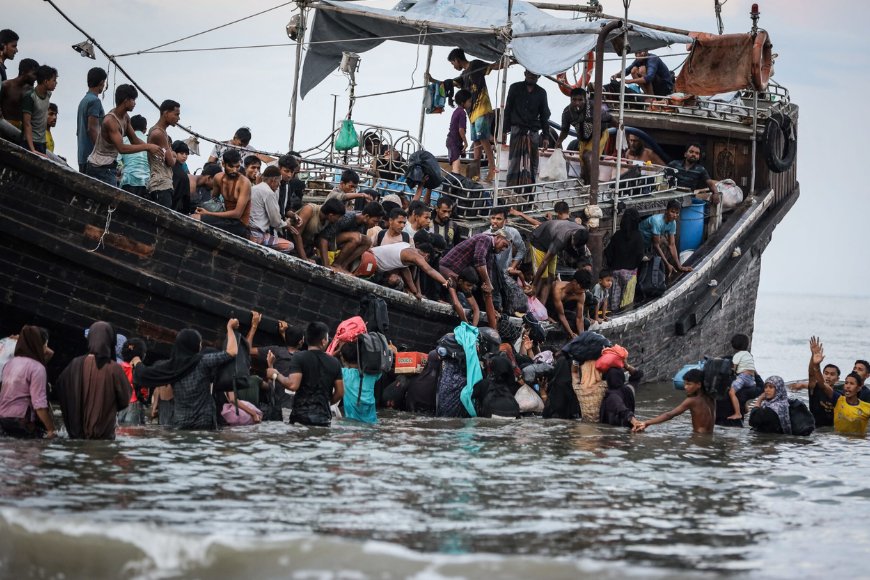
The Bay of Bengal has witnessed a devastating humanitarian tragedy after two separate boat accidents reportedly left hundreds of Rohingya refugees missing, with fears that more than 500 people may have lost their lives. The incidents have brought global attention back to the dangerous journeys undertaken by thousands of Rohingya refugees who risk everything at sea in search of safety, stability, and a better future. What began as a desperate escape from conflict and uncertainty has once again turned into a heartbreaking disaster, exposing the harsh realities faced by one of the world’s most vulnerable communities.
According to reports, the boats carrying Rohingya refugees were travelling through dangerous maritime routes in the Bay of Bengal when they met with disaster. Many passengers were reportedly attempting to reach countries in Southeast Asia, including Malaysia and other destinations, hoping to find employment opportunities and a secure life away from the hardships they face in Myanmar and refugee camps. However, overcrowded boats, poor safety conditions, unpredictable weather, and exploitation by human traffickers have made these journeys extremely dangerous.
The Rohingya crisis has remained one of the most serious humanitarian challenges in the world for years. The Rohingya, a Muslim minority community from Myanmar’s Rakhine State, have faced decades of discrimination, violence, and restrictions on their rights. A major military crackdown in 2017 forced hundreds of thousands of Rohingya people to flee Myanmar and seek refuge in neighbouring Bangladesh. Many of them continue to live in overcrowded refugee camps, where access to education, employment, healthcare, and basic facilities remains limited.
For many Rohingya families, the dangerous sea journey becomes a last option when they see no other path toward a secure future. Desperate for opportunities, they often rely on illegal networks that promise safe passage to foreign countries. However, many of these promises turn out to be false. Human traffickers frequently place large numbers of people on small, unsafe boats that are not designed for long-distance travel. Passengers are often left without enough food, water, medical support, or emergency equipment, making the journey a life-threatening gamble.
The latest boat tragedies have once again raised serious questions about the role of human trafficking networks operating across the region. Experts have warned that traffickers take advantage of vulnerable communities by exploiting their desperation. They charge large amounts of money from refugees while putting their lives at extreme risk. In several previous incidents, survivors have reported cases where boats ran out of supplies, engines failed, or passengers were abandoned in the middle of the sea.
The Bay of Bengal and the Andaman Sea have become among the world’s most dangerous migration routes. Every year, thousands of refugees and migrants attempt these journeys despite knowing the risks involved. The reasons behind these movements are complex, including conflict, poverty, political instability, lack of legal opportunities, and the search for human security. For many displaced people, even a dangerous journey appears better than remaining trapped in uncertain conditions.
The tragedy also highlights the growing challenges faced by countries in the region. Nations including Bangladesh, Myanmar, Malaysia, Indonesia, and others have repeatedly struggled to manage refugee movements while dealing with security concerns and humanitarian responsibilities. International organisations have called for greater cooperation between countries to prevent further loss of life and ensure safer solutions for displaced communities.
Families of missing passengers are now facing unimaginable uncertainty as they wait for information about their loved ones. For them, the disaster is not just a news headline but a personal tragedy involving parents, children, siblings, and relatives who left home hoping for a better tomorrow. Many families have already experienced years of suffering due to displacement, and these sea tragedies add another painful chapter to their struggles.
The incident has also renewed discussions about the need for stronger action against human trafficking. Authorities and international agencies believe that stopping illegal migration routes requires addressing the root causes that force people to take such extreme risks. Providing safe migration options, improving humanitarian support, and creating opportunities for refugees could help reduce the dependence on dangerous smuggling networks.
Human rights organisations have repeatedly emphasised that refugee crises cannot be solved only through border controls and rescue operations. Long-term solutions require addressing conflicts, protecting minority rights, and ensuring that displaced communities have access to dignity and basic human needs. Without meaningful changes, experts warn that similar tragedies could continue to occur.
The Bay of Bengal boat disasters serve as a painful reminder of the consequences of desperation. Hundreds of people who stepped onto those boats were not simply migrants; they were individuals searching for safety, security, and a chance at a normal life. Their journey reflects the struggles of millions of displaced people around the world who are forced to make impossible choices when hope becomes limited.
As investigations continue, the tragedy has once again placed the Rohingya refugee crisis in the global spotlight. The loss of hundreds of lives at sea is not only a maritime disaster but also a symbol of a much deeper humanitarian failure. The international community now faces the challenge of ensuring that vulnerable people are not forced to choose between an uncertain future on land and a deadly journey across the ocean.
The Bay of Bengal has witnessed many such tragedies in the past, but each incident carries the same urgent message — people fleeing hardship need safe alternatives, not dangerous routes controlled by criminals. Until the underlying causes of displacement are addressed, the world may continue to witness heartbreaking stories of lives lost while searching for a place to call home.
What's Your Reaction?
 Like
0
Like
0
 Dislike
0
Dislike
0
 Love
0
Love
0
 Funny
0
Funny
0
 Angry
0
Angry
0
 Sad
0
Sad
0
 Wow
0
Wow
0