














Trump Mocks Iran During Khamenei Funeral Remarks, Says Tehran Was Given 'One Week of Grace'

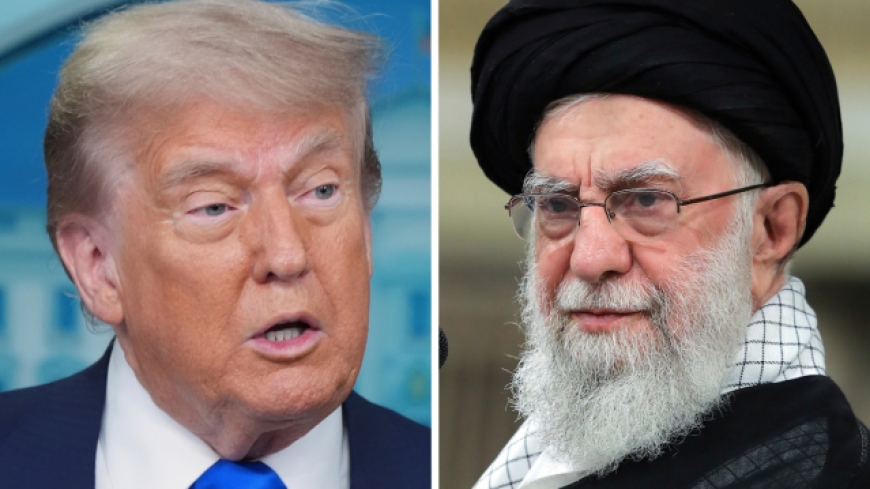
Former US President Donald Trump has sparked fresh controversy after commenting on events surrounding Iran's Supreme Leader Ayatollah Ali Khamenei, claiming the United States had given Iran "one week of grace." His remarks have reignited debate over US-Iran relations amid continuing tensions in the Middle East.

Jul 4, 2026 - 11:15
 0  3
Trump Mocks Iran During Khamenei Funeral Remarks, Says Tehran Was Given 'One Week of Grace'

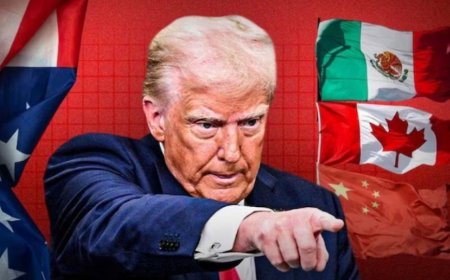
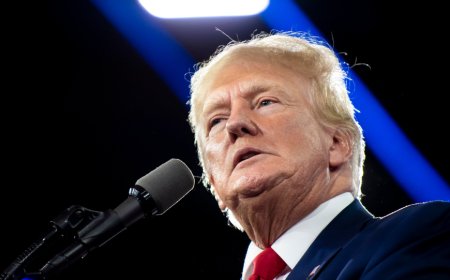
Former United States President Donald Trump has once again stirred international attention with controversial remarks concerning Iran, stating that the country had been given "one week of grace" by the United States while commenting on events surrounding the funeral of Iran's Supreme Leader, Ayatollah Ali Khamenei. The statement has quickly drawn reactions across political circles and social media, further highlighting the deep-rooted tensions between Washington and Tehran that have shaped Middle Eastern geopolitics for decades. Although Trump's comments were widely interpreted as a criticism of Iran's leadership, they also reflected his long-standing hardline stance toward the Islamic Republic, a position that defined much of his administration's foreign policy.

Speaking during a public appearance, Trump referred to developments in Iran and suggested that the country had been granted a brief opportunity before facing increased international pressure. His remark that "we gave Iran one week of grace" was viewed as a symbolic reference to the strategic decisions and military calculations that have characterized US-Iran relations in recent years. The comments came as Iran witnessed large public gatherings associated with the funeral ceremonies of Ayatollah Ali Khamenei, one of the country's most influential political and religious figures. Images of massive crowds attending the ceremonies have circulated widely, underscoring the significance of the event within Iran and across the wider Middle East.

Trump's latest remarks have revived discussions about his administration's approach toward Iran, which included withdrawing the United States from the 2015 nuclear agreement, commonly known as the Joint Comprehensive Plan of Action (JCPOA), reimposing sweeping economic sanctions, and authorizing military actions that significantly escalated tensions between the two nations. Throughout his presidency, Trump consistently argued that his "maximum pressure" campaign was intended to curb Iran's nuclear ambitions and regional influence, while Iranian leaders repeatedly condemned the policy as economic warfare.

Political analysts believe Trump's statement is likely aimed at reinforcing his image as a leader who pursued a tough foreign policy, particularly on issues involving Iran. Supporters argue that his administration's pressure campaign weakened Tehran economically and limited its regional activities, while critics contend that the policy contributed to greater instability in the Middle East and reduced diplomatic opportunities. The latest comments have therefore become part of a broader political narrative as Trump continues to remain a prominent figure in American politics.

The funeral ceremonies themselves have drawn significant international attention due to Ayatollah Ali Khamenei's central role in shaping Iran's political, religious, and military policies over several decades. Leaders and representatives from various countries have expressed condolences, while governments around the world continue to closely monitor political developments inside Iran. Observers believe that any transition in Iran's leadership could have important implications for regional security, nuclear negotiations, and relations with Western powers.

Despite the strong rhetoric, officials from both countries have not announced any immediate policy changes following Trump's remarks. However, experts note that statements from influential political leaders often have diplomatic consequences, particularly when relations between the United States and Iran remain highly sensitive. The two nations continue to disagree on issues including Iran's nuclear program, regional security, sanctions, and military activities across the Middle East.

International observers have also emphasized that public statements made during periods of heightened geopolitical sensitivity can influence diplomatic negotiations and public opinion. While Trump's comments have generated headlines worldwide, analysts say the broader significance will depend on how current policymakers in Washington and Tehran respond in the coming weeks. Any escalation in rhetoric or military posture could further complicate already fragile regional dynamics.

The latest episode serves as another reminder that US-Iran relations remain among the most volatile and closely watched geopolitical issues in the world. As diplomatic uncertainty continues and regional tensions persist, remarks from influential leaders such as Donald Trump are likely to remain under intense global scrutiny. Whether the comments lead to renewed political debate, diplomatic responses, or simply become another chapter in the long-running rivalry between Washington and Tehran, they underscore the continuing importance of developments involving both countries in shaping international affairs.

What's Your Reaction?

Like Like 0
Dislike Dislike 0
Love Love 0
Funny Funny 0
Angry Angry 0
Sad Sad 0
Wow Wow 0