

































Trump Faces Major Setback at Home Amid Iran Tensions as US Senate Fails to Pass $1.1 Trillion Defense Bill
US President Donald Trump has suffered a significant political setback after the Senate failed to pass a defense spending bill worth nearly $1.1 trillion (around ₹96 lakh crore). The development comes at a time of heightened tensions with Iran, raising questions about America's military funding and political divisions in Washington.

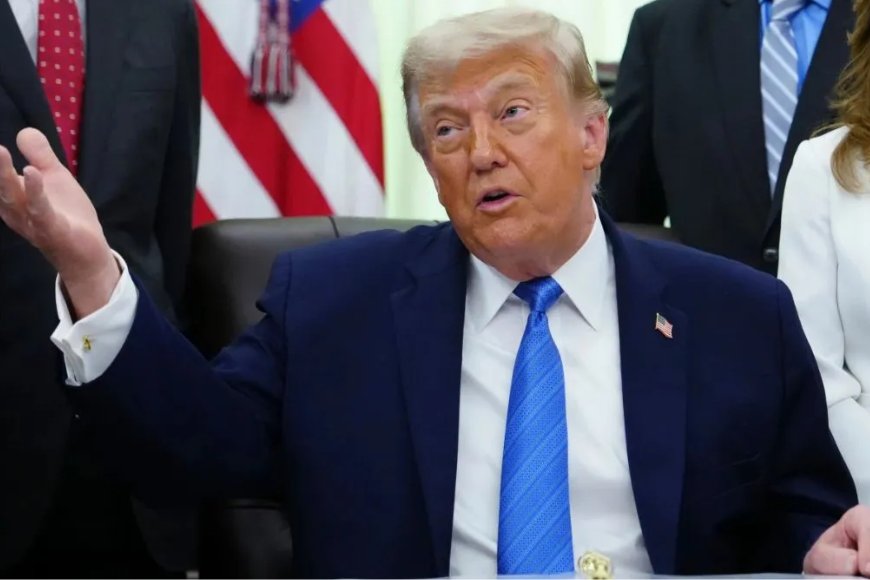
Trump Faces Political Blow as US Senate Blocks Massive Defense Spending Bill Amid Iran Crisis
US President Donald Trump has encountered a major political challenge after the United States Senate failed to advance a defense spending bill worth nearly $1.1 trillion (approximately ₹96 lakh crore). The development comes at a crucial time when geopolitical tensions involving Iran continue to dominate global headlines, making the proposed military budget one of the most closely watched pieces of legislation in Washington.
The defense bill was designed to provide funding for the US military, modernize defense infrastructure, strengthen national security programs, and support America's strategic commitments around the world. However, despite its significance, the legislation failed to secure enough support in the Senate, exposing deep political divisions over defense spending, fiscal priorities, and national security policy.
The Senate's inability to move the bill forward is being viewed as a setback for the Trump administration, particularly as the United States continues to monitor developments in the Middle East. Rising tensions involving Iran have increased pressure on Washington to demonstrate military preparedness, but lawmakers remain divided over how defense resources should be allocated and whether the proposed spending package adequately addresses broader fiscal concerns.
The proposed legislation reportedly included funding for military modernization programs, procurement of advanced defense equipment, cybersecurity initiatives, troop readiness, naval expansion, air force modernization, missile defense systems, and research into next-generation military technologies. It also aimed to strengthen America's strategic capabilities in response to evolving global security challenges.
Despite broad agreement that national defense remains a priority, several senators expressed concerns over the overall size of the spending package, specific policy provisions, and the inclusion of unrelated political amendments. Others argued that while military readiness is essential, Congress must also ensure responsible government spending and greater accountability in how taxpayer money is used.
The failure to advance the bill does not necessarily mean that defense funding will stop. In the US legislative process, lawmakers can revise the proposal, negotiate changes, and introduce a modified version for another vote. Congressional leaders from both major political parties are expected to continue discussions in an effort to reach a compromise that can attract sufficient bipartisan support.
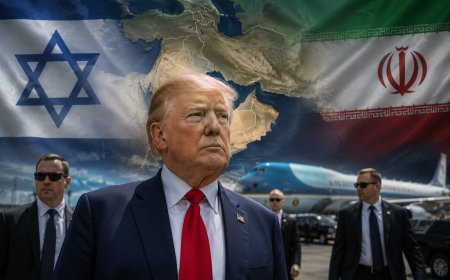
The timing of the vote has drawn particular attention because of ongoing concerns surrounding Iran. Recent developments in the region have led to increased diplomatic activity, military preparedness, and close monitoring by the United States and its allies. While the defense bill itself is not exclusively linked to Iran, the broader geopolitical environment has amplified the importance of military funding and readiness.
Political analysts believe the Senate vote reflects broader disagreements in Washington over balancing national security priorities with fiscal discipline. Defense budgets have long been a subject of intense debate in the United States, with lawmakers often differing on military expenditure levels, domestic spending priorities, and the country's international commitments.
Supporters of the legislation argued that global security threats—including cyberattacks, regional conflicts, strategic competition with major powers, and evolving military technologies—require sustained investment in defense capabilities. According to them, delaying funding decisions could affect long-term planning, modernization efforts, and operational readiness across various branches of the US Armed Forces.
Opponents, however, maintained that such a large spending package should undergo greater scrutiny. Some senators called for revisions to improve transparency, eliminate provisions they considered unnecessary, and ensure that taxpayer funds are spent efficiently. Others raised procedural concerns, saying that major policy issues should be debated separately rather than included in a broader defense authorization measure.
The legislative setback also highlights the complex relationship between the executive branch and Congress. Although the President can advocate for specific policies and funding priorities, Congress ultimately holds constitutional authority over federal spending. As a result, even proposals strongly backed by the administration must secure sufficient support in both chambers of Congress before becoming law.
Financial markets and international observers are also closely monitoring the developments. While the immediate impact on US military operations is expected to be limited, prolonged delays in approving defense legislation could create uncertainty for contractors, defense manufacturers, military planning, and future procurement programs.
The debate has also reignited discussions about America's long-term defense strategy. Policymakers continue to evaluate how resources should be distributed among conventional military forces, advanced technologies, cybersecurity, artificial intelligence, space defense, and emerging security threats. These discussions are expected to shape future versions of the legislation.
For President Trump, the Senate's failure to move the bill forward represents both a political and legislative challenge. It demonstrates that even during periods of heightened international tension, achieving consensus in Congress remains difficult. The administration is expected to continue working with lawmakers to address concerns and build the support necessary for future consideration of the proposal.
At present, the defense bill has not become law, and negotiations are likely to continue in the coming weeks. Congressional leaders are expected to explore amendments and possible compromises that could allow a revised version to gain broader bipartisan backing. Until then, the future of one of the largest proposed US defense spending packages remains uncertain.
What's Your Reaction?
 Like
0
Like
0
 Dislike
0
Dislike
0
 Love
0
Love
0
 Funny
0
Funny
0
 Angry
0
Angry
0
 Sad
0
Sad
0
 Wow
0
Wow
0