






























US Launches Fresh Attacks on Iran for Sixth Consecutive Day, Middle East Conflict Deepens
The United States has carried out military strikes on Iran for the sixth consecutive day, targeting key military infrastructure as tensions in the Middle East continue to escalate. The prolonged exchange of attacks has heightened fears of a wider regional conflict, while world leaders continue to call for restraint and diplomacy.

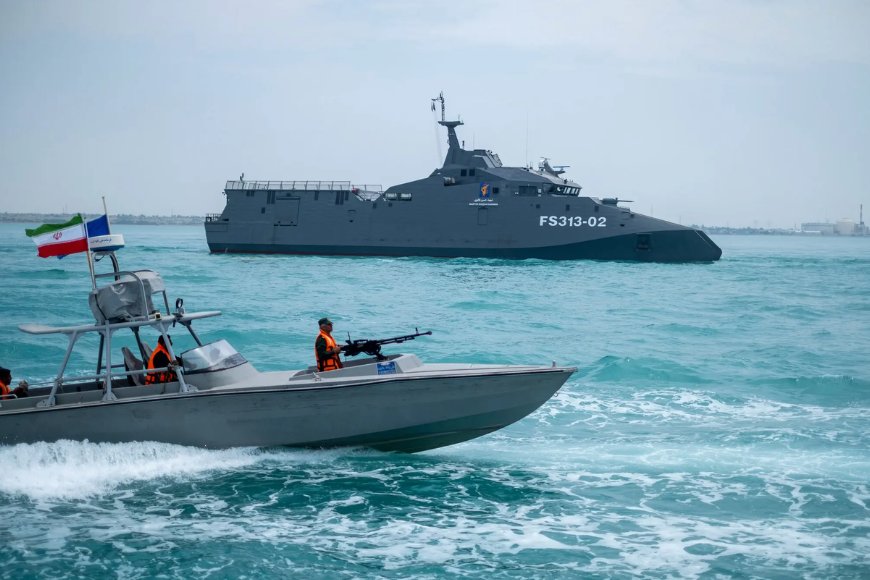
US Continues Sixth Straight Day of Strikes on Iran, Raising Fears of Wider Middle East War
The conflict between the United States and Iran has entered its sixth consecutive day of military operations, marking one of the most sustained periods of direct confrontation between the two countries in recent years. Fresh American airstrikes targeted key Iranian military installations, further escalating tensions across the Middle East and increasing concerns about the possibility of a broader regional war.
According to U.S. defense officials, the latest wave of attacks focused on strategic military infrastructure believed to support Iran's missile development, drone operations, command-and-control systems, and logistics facilities. Washington says the objective of the strikes is to weaken Iran's military capabilities and protect American personnel, military bases, and allied nations in the region.
The latest operation follows five consecutive nights of similar military actions, reflecting an intensified U.S. campaign against Iranian military assets. Defense analysts say the continued operations are intended to reduce Tehran's ability to launch future attacks while reinforcing America's military presence across the Middle East.
US Military Intensifies Operations
The Pentagon has described the campaign as a series of precision strikes aimed at degrading Iran's operational military capabilities.
Military officials indicate that the attacks have targeted:
- Missile launch facilities
- Drone production and storage sites
- Air defense installations
- Weapons depots
- Military communication centers
- Logistics and supply infrastructure
American authorities maintain that the strikes are carefully planned to minimize civilian casualties while maximizing military effectiveness.
Officials have also stated that further military action remains possible if U.S. forces or allied interests continue to face threats.
Iran Condemns the Strikes
Iran has strongly condemned the continued U.S. military operations, calling them a violation of its sovereignty and international law.
Iranian leaders have vowed that the country will defend itself against what they describe as repeated acts of aggression. Officials in Tehran have warned that continued attacks could trigger further retaliation against American military assets and allied facilities across the region.
Although Iran has not officially disclosed the full extent of its planned response, military commanders have stated that the country's armed forces remain on high alert.
Regional Security Concerns Grow
The sixth day of military operations has significantly increased security concerns throughout the Middle East.
Countries hosting U.S. military bases—including Bahrain, Qatar, Kuwait, Iraq, and the United Arab Emirates—have strengthened security measures amid fears of retaliatory attacks.
Military installations across the region remain on heightened alert, while governments continue monitoring developments closely.
Several airlines have also adjusted flight routes to avoid conflict zones, reflecting growing concerns about regional airspace security.
Impact on Global Oil Markets
The escalating conflict has continued to influence global financial markets.
The Middle East remains one of the world's most important energy-producing regions, and any prolonged conflict raises concerns about disruptions to oil supplies.
Energy analysts warn that instability around the Strait of Hormuz, through which a significant portion of global crude oil exports passes, could affect international energy prices if tensions continue to rise.
Investors are also watching developments carefully, as geopolitical uncertainty often increases market volatility and affects global trade.
International Community Calls for Restraint
Several world leaders and international organizations have urged both Washington and Tehran to avoid further escalation.
Diplomatic efforts are reportedly continuing behind the scenes to prevent the conflict from expanding into a broader regional war involving multiple countries.
The United Nations and several allied governments have emphasized the importance of dialogue, warning that continued military exchanges could have serious humanitarian, economic, and security consequences.
Military Experts Assess the Situation
Defense experts believe the U.S. campaign is designed to reduce Iran's military capabilities rather than initiate a full-scale invasion.
However, analysts caution that prolonged military exchanges increase the risk of unintended escalation, particularly if either side suffers major casualties or expands the scope of operations.
Iran's network of regional allies and affiliated armed groups also raises the possibility that the conflict could spread beyond direct U.S.-Iran military engagements.
Political Implications
The continued military operations have also sparked political debate in Washington and internationally.
Supporters argue that sustained military pressure is necessary to deter further attacks on American personnel and maintain regional security.
Critics, however, warn that continued escalation without a clear diplomatic strategy could draw the United States into another prolonged Middle East conflict similar to previous military engagements in Iraq and Afghanistan.
What Happens Next?
The coming days will be crucial in determining whether the conflict continues to intensify or shifts toward diplomatic negotiations.
Much depends on Iran's response, future U.S. military decisions, and the success of ongoing international diplomatic efforts.
Security analysts believe that while both countries are seeking to protect their strategic interests, neither side may wish to trigger a full-scale regional war. Nevertheless, the risk of further escalation remains high as military operations continue.
For now, the Middle East remains on edge, with global leaders, financial markets, and security experts closely monitoring every new development in one of the world's most volatile geopolitical crises.
What's Your Reaction?
 Like
0
Like
0
 Dislike
0
Dislike
0
 Love
0
Love
0
 Funny
0
Funny
0
 Angry
0
Angry
0
 Sad
0
Sad
0
 Wow
0
Wow
0