


































“Wolf Moon 2026: Northern Hemisphere to Witness First Full Moon of the Year in Early January”
The first full moon of 2026, known as the Wolf Moon, will peak in early January. Discover how and when to view this spectacular winter celestial event.

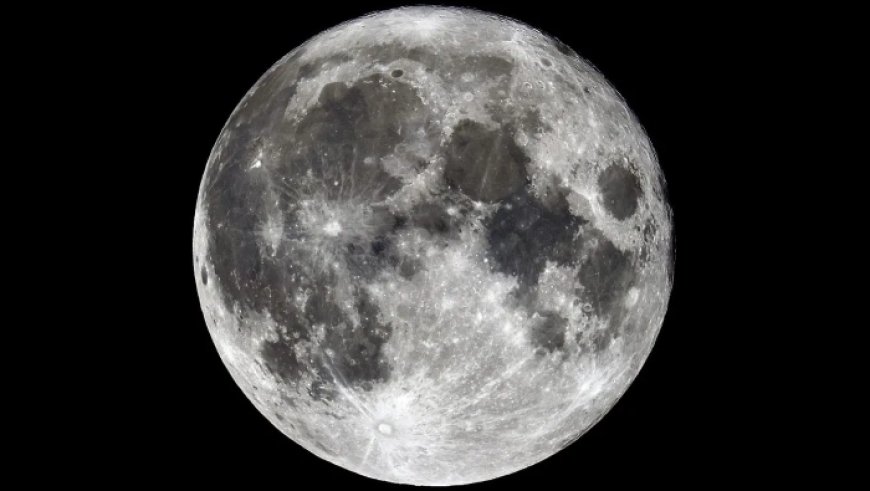
Astronomy enthusiasts and night sky watchers are gearing up for the first full moon of 2026, popularly known as the Wolf Moon, which is expected to illuminate the night sky in early January. The celestial event, named after the howling wolves of folklore, marks a symbolic start to the new year and offers a spectacular sight for stargazers across the globe.
According to astronomers, the Wolf Moon will reach peak fullness on January 2, 2026, in most parts of the Northern Hemisphere. The moon will appear brighter and slightly larger than usual, especially when it rises near the horizon, creating the classic “moon illusion” that has fascinated observers for centuries.
The Wolf Moon has a rich history in Native American and European folklore, often associated with wolves howling during the cold winter months. Many cultures viewed it as a time of reflection, renewal, and preparation for the year ahead. In modern astronomy, the name simply serves as a seasonal identifier for the first full moon after the winter solstice.
For skywatchers, the upcoming full moon presents a perfect opportunity for night photography, stargazing, and moonlit walks. While the moon is visible to the naked eye, those using telescopes or binoculars will enjoy enhanced details, including visible craters and maria on the lunar surface.
In addition to the Wolf Moon, the night sky may also feature other celestial highlights such as bright planets and constellations, making early January an ideal time for amateur astronomers and enthusiasts to explore the winter skies.
Astronomers recommend checking local moonrise times for the best viewing experience, as timings vary depending on the observer’s location. Clear, cloudless skies will offer optimal visibility, while urban areas with heavy light pollution may benefit from using a telescope or heading to darker regions.
Whether you’re a casual observer or a dedicated astrophotographer, the Wolf Moon 2026 promises a mesmerizing start to the year, lighting up the winter nights with its silvery glow.
What's Your Reaction?
 Like
0
Like
0
 Dislike
0
Dislike
0
 Love
0
Love
0
 Funny
0
Funny
0
 Angry
0
Angry
0
 Sad
0
Sad
0
 Wow
0
Wow
0