




























From Pandemics to Biotech Risks: Why India Must Rethink Biosecurity
India faces rising biological threats from pandemics, zoonotic diseases, and biotechnology risks. Experts say upgrading biosecurity measures is critical for public health and national security.

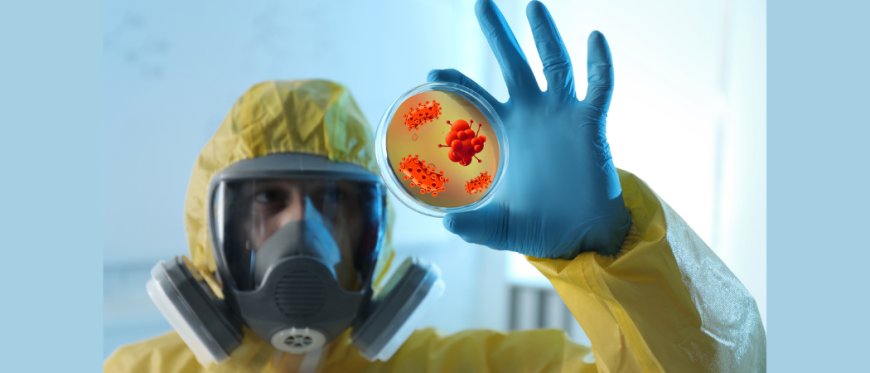
As India confronts a complex mix of emerging infectious diseases, antimicrobial resistance, climate-driven outbreaks, and globalized travel, public health experts are increasingly asking a critical question: Does India need to urgently upgrade its biosecurity measures?
Biosecurity—once viewed as a niche concern limited to laboratories and border controls—has now emerged as a national security, public health, and economic priority. Recent experiences with pandemics, zoonotic spillovers, and laboratory safety incidents have exposed both strengths and gaps in India’s existing systems.
Biosecurity refers to policies, infrastructure, and practices designed to prevent the accidental or deliberate release of harmful biological agents, including viruses, bacteria, and toxins. It spans multiple domains:
-
Disease surveillance and early warning systems
-
Laboratory safety and pathogen handling
-
Border health controls and quarantine measures
-
Preparedness for pandemics and bioterror threats
In an era of rapid urbanization, dense populations, and global mobility, even a small breach can have nationwide or global consequences.
Lessons from Recent Health Crises
India’s response to COVID-19 demonstrated its ability to scale diagnostics, vaccination, and digital health platforms rapidly. However, the pandemic also highlighted critical vulnerabilities, including shortages of protective equipment, uneven disease surveillance at the district level, and limited biosafety infrastructure in smaller laboratories.
Similarly, recurring outbreaks of zoonotic diseases such as Nipah virus, avian influenza, and scrub typhus underline the growing risk at the human-animal-environment interface. Climate change, deforestation, and wildlife encroachment are accelerating these spillover events.
Key Gaps in India’s Biosecurity Framework
Experts point to several areas requiring urgent attention:
1. Laboratory Biosafety and Oversight
While India hosts world-class research institutions, biosafety standards vary widely across public, private, and academic laboratories. Many facilities lack advanced containment systems, routine audits, and standardized training.
2. Disease Surveillance and Data Integration
India’s surveillance systems have improved, but fragmented data sharing between states, hospitals, and research bodies can delay early detection of outbreaks.
3. Border and Travel Health Security
With millions crossing borders annually, screening, quarantine capacity, and pathogen tracking need constant upgrading to match global risks.
4. Workforce and Training Gaps
There is a shortage of trained professionals in epidemiology, bioinformatics, biosafety engineering, and risk assessment, especially outside major urban centers.
Rising Concerns: Beyond Natural Outbreaks
Biosecurity threats are no longer limited to natural diseases. Advances in biotechnology have raised concerns about:
-
Accidental laboratory leaks
-
Misuse of genetic engineering tools
-
Bioterrorism and dual-use research
While India is a signatory to international biological weapons conventions, experts argue that domestic regulatory capacity must keep pace with scientific innovation.
Why Upgrading Biosecurity Is Critical Now
Failing to strengthen biosecurity could have far-reaching consequences:
-
Public health impacts, including higher mortality and long-term illness
-
Economic disruption, affecting supply chains, tourism, and productivity
-
National security risks, as biological threats can destabilise societies
Conversely, investing in biosecurity can deliver long-term benefits by strengthening healthcare systems, boosting scientific credibility, and improving global cooperation.
The Road Ahead
Policy analysts recommend a multi-layered approach:
-
Establishing a national biosecurity authority with clear mandates
-
Upgrading laboratory infrastructure and biosafety regulations
-
Integrating human, animal, and environmental health under a One Health framework
-
Expanding real-time disease surveillance using digital and genomic tools
-
Investing in workforce training and public awareness
As biological threats grow more complex and interconnected, the question is no longer whether India should upgrade its biosecurity measures—but how quickly and comprehensively it can do so. Strengthening biosecurity is not merely a health sector reform; it is an investment in national resilience, economic stability, and public trust.
What's Your Reaction?
 Like
0
Like
0
 Dislike
0
Dislike
0
 Love
0
Love
0
 Funny
0
Funny
0
 Angry
0
Angry
0
 Sad
0
Sad
0
 Wow
0
Wow
0