
































Commercial Deep-Sea Mining: A Looming Threat to Marine Life and Ecosystems
Commercial deep-sea mining is devastating marine ecosystems by destroying habitats, creating sediment plumes, and releasing toxins. Learn how ocean biodiversity and deep-sea life are at risk.

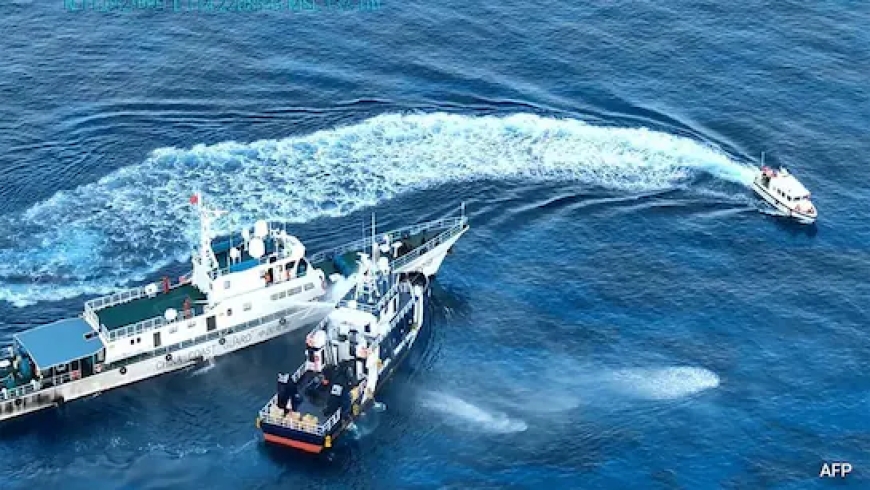
Commercial deep-sea mining, which extracts minerals like cobalt, nickel, manganese, and rare earth elements from the ocean floor, is emerging as a high-demand industry for electronics, renewable energy, and high-tech applications. While it promises economic benefits, scientists and environmentalists warn that it could devastate marine ecosystems and biodiversity.
How Deep-Sea Mining Harms the Ocean
Habitat Destruction—Mining operations scrape or suction the seabed, destroying fragile habitats such as hydrothermal vents and abyssal plains. Many deep-sea species are slow-growing and long-lived, taking decades—or even centuries—to recover.
Sediment Plumes—Mining stirs up sediments that smother marine life, block sunlight, and affect organisms far from the mining site.
Toxic Chemical Release – Extraction can release heavy metals and other toxins into the water, contaminating food chains and threatening both marine and human health.
Noise and Light Pollution—The machinery used underwater produces constant noise and vibrations, disturbing the communication, feeding, and breeding of deep-sea species.
Ecosystem and Climate Implications
Biodiversity Loss: Many deep-sea species remain undiscovered, and mining could drive them to extinction before they are even known.
Food Chain Disruption: Damage to seafloor habitats affects plankton, invertebrates, and fish, cascading through entire ecosystems.
Carbon Sequestration: Deep-sea sediments store carbon; disturbing them could release greenhouse gases and worsen climate change.
The International Seabed Authority (ISA) regulates mining in international waters, but critics say regulations are inadequate and environmental impact assessments are often insufficient. Scientists and conservationists are calling for a moratorium on commercial deep-sea mining until long-term ecological effects are fully understood. Deep-sea mining could supply critical minerals for technology and renewable energy, but the cost to marine life and ecosystems may be irreversible. Strong global policies, stricter environmental safeguards, and responsible practices are essential to protect ocean biodiversity, food chains, and climate stability.
What's Your Reaction?
 Like
0
Like
0
 Dislike
0
Dislike
0
 Love
0
Love
0
 Funny
0
Funny
0
 Angry
0
Angry
0
 Sad
0
Sad
0
 Wow
0
Wow
0