Houthi Rebels Claim Ballistic and Cruise Missile Attack on Two Saudi Oil Tankers in Red Sea
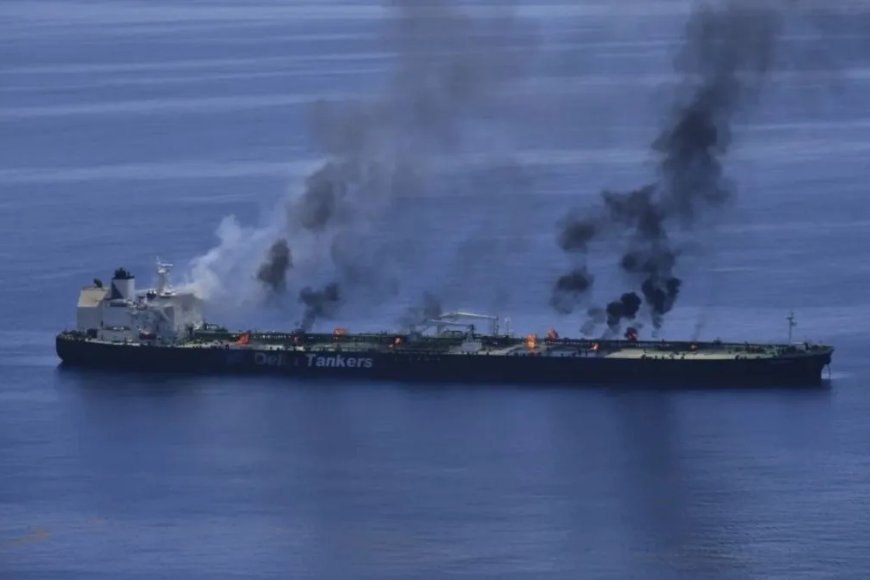
Tensions in the Middle East have escalated once again after Yemen's Houthi rebels claimed responsibility for launching ballistic and cruise missiles at two Saudi oil tankers navigating the Red Sea. The reported attack has raised fresh concerns about the security of one of the world's busiest maritime trade routes and the potential impact on global energy markets. Although officials are still assessing the extent of the damage, the incident has intensified fears of a broader regional conflict involving key international shipping lanes.
According to statements released by the Houthi movement, the attack targeted two Saudi-owned oil tankers allegedly operating in the Red Sea. The group claimed that both ballistic and cruise missiles were used during the operation, describing it as part of its ongoing military campaign against Saudi-linked interests. Independent verification of all aspects of the claim is still underway, and authorities continue to investigate the circumstances surrounding the reported strike.
The Red Sea is among the world's most strategically important waterways, connecting the Mediterranean Sea to the Indian Ocean through the Suez Canal and the Bab el-Mandeb Strait. Every year, a substantial portion of global oil exports, liquefied natural gas shipments, and commercial cargo passes through this corridor. Any disruption to maritime traffic in the region can have immediate consequences for international trade, shipping costs, insurance premiums, and global energy prices.
Security analysts say that attacks on oil tankers have become one of the most significant challenges facing international shipping in recent years. The use of ballistic and cruise missiles, if confirmed, would represent another escalation in the capabilities demonstrated by the Houthi movement. Previous attacks have involved drones, anti-ship missiles, explosive boats, and naval mines, forcing shipping companies to alter routes or suspend operations in high-risk areas.
Saudi Arabia has yet to provide a detailed public assessment of the reported attack. Authorities are expected to conduct a comprehensive evaluation of the condition of the vessels, the safety of their crews, and the operational impact of the incident. Maritime security agencies are also collecting information from naval patrols, commercial shipping operators, and satellite monitoring systems to establish an accurate picture of what occurred.
The latest development comes amid continuing instability across the Middle East, where multiple conflicts have increased security risks in both the Red Sea and the Gulf region. Rising regional tensions have already led to repeated attacks on commercial vessels, prompting several international shipping companies to reroute ships around the Cape of Good Hope instead of using the shorter Red Sea route. Although this alternative reduces security risks, it significantly increases travel time, fuel consumption, and transportation costs.
Global energy markets are closely monitoring developments because Saudi Arabia remains one of the world's largest oil exporters. Any sustained threat to its energy infrastructure or maritime transportation network could influence crude oil prices and affect energy supplies to countries across Asia, Europe, and other regions. Market analysts note that even limited disruptions in the Red Sea often lead to increased volatility in international commodity markets.
Military experts believe that the Houthis have steadily expanded their missile and drone capabilities over the past several years. Their arsenal reportedly includes ballistic missiles, land-attack cruise missiles, anti-ship missiles, and long-range drones capable of targeting military facilities, commercial infrastructure, and maritime assets. These capabilities have significantly altered the security environment in the region and increased the complexity of protecting international shipping routes.
Several countries have strengthened their naval presence in and around the Red Sea to safeguard commercial shipping. International maritime security operations continue to escort vulnerable vessels, conduct surveillance missions, and respond rapidly to emerging threats. Despite these efforts, attacks have continued, highlighting the persistent challenges facing international naval forces operating in the area.
The reported strike has also renewed concerns among insurance companies and shipping operators. Maritime insurers often reassess risk levels after attacks in conflict zones, leading to higher insurance premiums for vessels transiting affected waters. These increased operating costs are frequently passed on through global supply chains, ultimately influencing transportation expenses and commodity prices worldwide.
Diplomatic efforts to reduce regional tensions remain ongoing, with several international organizations urging restraint from all parties. Global leaders have repeatedly emphasized the importance of protecting freedom of navigation and ensuring the uninterrupted flow of international commerce through strategic waterways. The United Nations and other international bodies continue to encourage dialogue aimed at preventing further military escalation.
Security experts warn that continued attacks on commercial shipping could trigger broader international responses if maritime safety deteriorates further. Protecting civilian vessels is considered a priority under international maritime law, and repeated attacks on commercial ships have prompted closer cooperation among allied naval forces operating in the region.
For Saudi Arabia, safeguarding its oil exports remains a critical national priority. The Kingdom has invested heavily in strengthening maritime security, protecting offshore infrastructure, and enhancing coordination with international partners. At the same time, regional governments remain concerned that continued attacks on energy infrastructure could undermine economic stability and investor confidence.
The Houthi movement has maintained that its operations are part of its broader military strategy linked to regional conflicts, while Saudi Arabia and its allies have condemned such attacks as threats to international peace, civilian shipping, and global economic stability. The differing positions continue to complicate diplomatic efforts aimed at reducing hostilities.
As investigations continue, international observers will closely monitor official assessments regarding the reported missile strike, the condition of the targeted vessels, and any potential response from regional or global powers. Whether the attack results in further military escalation or renewed diplomatic engagement remains uncertain, but it clearly underscores the fragile security situation in the Red Sea.
With global trade, energy supplies, and regional stability increasingly interconnected, developments in the Red Sea will continue to attract worldwide attention. The latest Houthi claim serves as another reminder that maritime security has become a central element of Middle Eastern geopolitics, carrying implications far beyond the region itself.




































 Like
0
 Dislike
0
 Love
0
 Funny
0
 Angry
0
 Sad
0
 Wow
0