


































How to Watch the 2025 Ursid Meteor Shower: The Year’s Final Sky Spectacle
Catch the 2025 Ursid Meteor Shower, the year’s final meteor display. Best viewed on December 21–22, 2025, from dark northern skies with minimal moonlight.

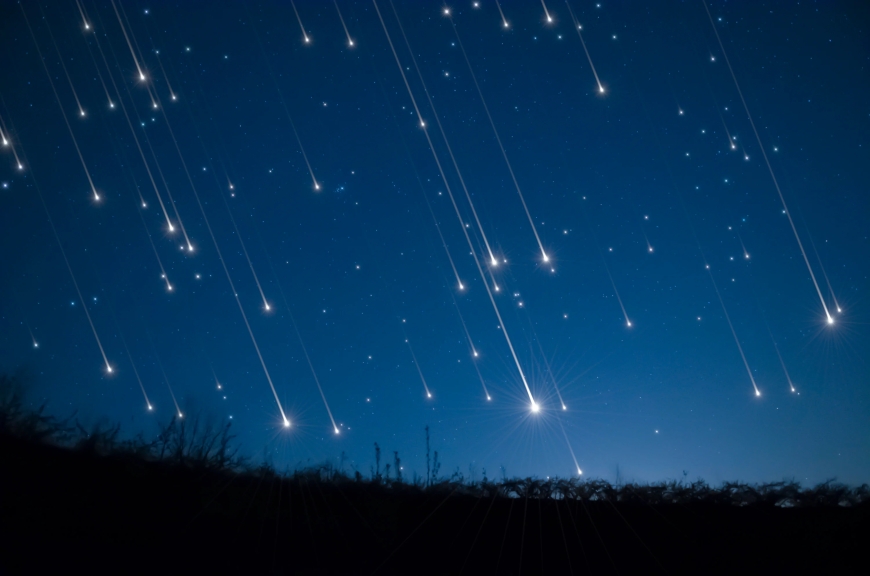
As 2025 draws to a close, skywatchers are gearing up for the Ursid Meteor Shower, the final meteor shower of the year. Known for its modest but steady display, the Ursids promise a magical experience for anyone willing to step outside under the night sky.
This year, conditions are particularly favorable since the moonlight will be minimal, ensuring darker skies for better meteor visibility.
The meteors radiate from the constellation Ursa Minor (the Little Dipper). While the radiant is in the northern sky, the meteors can streak across any part of the sky. Observers in the Northern Hemisphere will have the best viewing opportunities, whereas the Southern Hemisphere may find the shower harder to spot due to the low position of the radiant.
To get the best experience, find a dark location away from city lights, let your eyes adjust to the darkness for 20–30 minutes, and be patient. No telescopes or binoculars are needed; the meteors are best seen with the naked eye. Peak activity generally occurs in the early hours before dawn, when Earth faces deeper into the debris stream left by comet 8P/Tuttle, the source of the Ursids.
Expect around 5–10 meteors per hour at peak, though occasional outbursts can produce more. Even though the Ursids are not as intense as other showers like the Geminids, their quiet, serene display makes them perfect for reflective stargazing and ending the astronomical year on a magical note.
Whether you are an amateur astronomer or simply love gazing at the night sky, the 2025 Ursid Meteor Shower is a celestial event you won’t want to miss. Step outside, look north, and enjoy one of nature’s most beautiful light shows before the year ends.
What's Your Reaction?
 Like
0
Like
0
 Dislike
0
Dislike
0
 Love
0
Love
0
 Funny
0
Funny
0
 Angry
0
Angry
0
 Sad
0
Sad
0
 Wow
0
Wow
0