
































ISRO Invites Indian Scientists to Analyse Aditya-L1 Solar Mission Data, Boosting Space Research Participation
The Indian Space Research Organisation (ISRO) has issued an Announcement of Opportunity inviting proposals from Indian researchers to study scientific data from the Aditya-L1 solar mission, aiming to enhance domestic expertise in solar and heliospheric science.

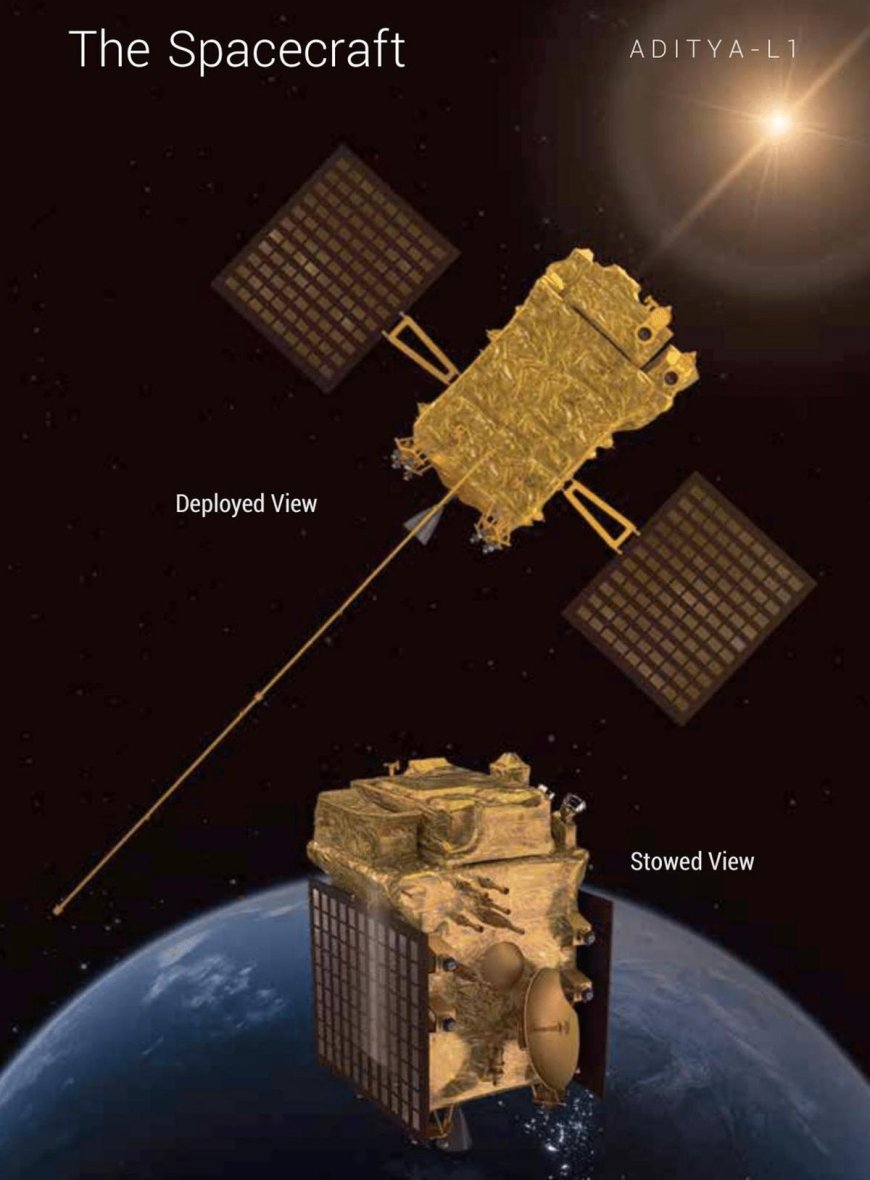
The Indian Space Research Organisation (ISRO) has opened a new chapter in collaborative space science by inviting proposals from Indian scientists and researchers to analyse observational data from its flagship solar mission, Aditya-L1. This move aims to deepen scientific engagement within India’s research community and expand the mission’s scientific impact.
Opportunity for the Scientific Community
Through an Announcement of Opportunity (AO) released on January 6, ISRO is soliciting high-quality research proposals from eligible Indian scientists, institutions, and academia to use Aditya-L1’s accumulated observational data for scientific investigations. The call encourages experts in solar physics and heliospheric science to propose research projects that could lead to new insights about the Sun and its interaction with near-Earth space.
According to ISRO, the first AO cycle invites scientists to submit proposals via the Aditya-L1 Proposal Processing System (ALPPS), with the submission deadline set for February 6, 2026. If selected, proposed research projects will be supported for scientific observation and analysis, with an observation window typically spanning from April to June 2026.
About the Aditya-L1 Mission
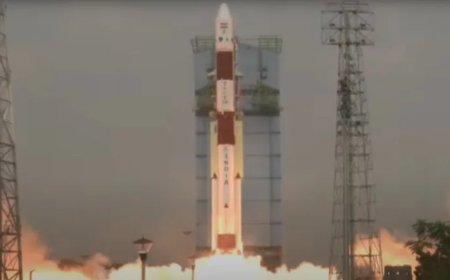
Launched in September 2023, Aditya-L1 is India’s first dedicated space observatory to study the Sun from a halo orbit around the Sun–Earth Lagrange Point L1, a stable gravitational point approximately 1.5 million kilometres from Earth. This vantage point allows continuous solar observation without obstruction by Earth’s shadow, making it ideal for collecting valuable data on solar activity, plasma environments, and space weather phenomena.
The spacecraft carries seven scientific instruments designed to capture detailed information about the Sun’s atmosphere, magnetic fields, particles, and radiation across multiple wavelengths. ISRO has already released significant portions of mission data to the scientific community and encourages further analysis to maximise the mission’s scientific returns.
Strengthening India’s Space Science Ecosystem
By inviting Indian researchers to participate directly in data analysis, ISRO aims to foster a more inclusive and collaborative research environment. Such initiatives mirror global practices where space agencies release mission data to independent scientists to broaden scientific discovery and accelerate innovation.
Experts say this approach not only enhances India’s scientific output but also positions the country as a key contributor to global solar physics research. As data from Aditya-L1 continues to accumulate and be analysed, the potential for breakthroughs in understanding solar processes and space weather impacts grows significantly
What's Your Reaction?
 Like
0
Like
0
 Dislike
0
Dislike
0
 Love
0
Love
0
 Funny
0
Funny
0
 Angry
0
Angry
0
 Sad
0
Sad
0
 Wow
0
Wow
0