































Israel's 'No Return' Strategy: Troops to Stay in Gaza, Lebanon and Syria—Could Tensions with Iran Escalate Again?

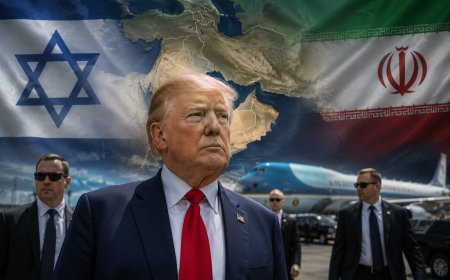
Israel has unveiled a new security strategy under which its military will continue operating in key areas of Gaza, southern Lebanon and Syria. Officials say the move is intended to prevent future attacks and safeguard national security, but it has also raised fresh concerns about regional stability and the possibility of renewed tensions involving Iran-backed groups.

Jul 2, 2026 - 15:40
 0  3
Israel's 'No Return' Strategy: Troops to Stay in Gaza, Lebanon and Syria—Could Tensions with Iran Escalate Again?

Israel has signaled a major shift in its military strategy by announcing that its forces will continue operating in strategic areas of Gaza, southern Lebanon and parts of Syria for the foreseeable future. The policy, described by Israeli officials as a long-term security approach, marks a significant departure from temporary military deployments following conflicts.

Israeli Defence Minister Israel Katz said that the Israel Defense Forces (IDF) would not withdraw from key operational zones until security threats are effectively neutralized. The announcement comes amid ongoing military operations in Gaza and heightened security concerns along Israel's northern border with Lebanon.

Why Is Israel Keeping Troops in These Areas?

According to Israeli officials, maintaining a military presence is aimed at preventing militant groups from rebuilding their capabilities and launching future attacks. The strategy also seeks to establish security buffer zones designed to reduce cross-border infiltration and improve Israel's long-term defense posture.

In Syria, Israel has continued targeted strikes against what it describes as Iranian military infrastructure and weapons transfers intended for Hezbollah, reinforcing its broader security objectives across the region.

Could This Increase Tensions with Iran?

While there is no official indication of an imminent direct war between Israel and Iran, the decision is expected to heighten regional tensions. Iran remains a key supporter of armed groups such as Hezbollah in Lebanon and Hamas in Gaza, making the situation particularly sensitive.

Security analysts warn that prolonged military deployments could increase the risk of indirect confrontations through proxy groups, even if both countries avoid direct conflict.

Regional and Global Implications

Israel's decision has attracted international attention, with several governments urging restraint and calling for renewed diplomatic efforts to prevent further escalation.

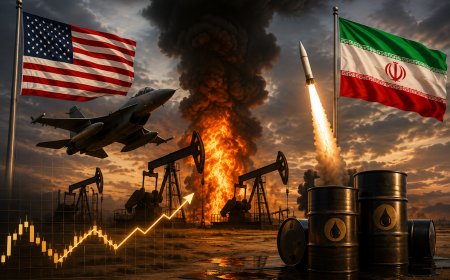
Beyond security concerns, developments in Gaza, Lebanon and Syria could also impact global energy markets, shipping routes and broader geopolitical stability, making the situation a closely watched issue worldwide.

What Happens Next?

Israel has made it clear that security considerations will remain its top priority, even if that means maintaining military deployments for an extended period. Whether this strategy strengthens regional stability or contributes to further escalation will depend on future military developments, diplomatic negotiations and the actions of regional actors.

For now, the Middle East remains one of the world's most volatile geopolitical flashpoints, with the international community closely monitoring every new development.

What's Your Reaction?

Like Like 0
Dislike Dislike 0
Love Love 0
Funny Funny 0
Angry Angry 0
Sad Sad 0
Wow Wow 0