































Pakistan’s Agriculture at Risk as India Gains Strategic Leverage Over Indus River: Report
Islamabad/New Delhi: Pakistan’s farming sector, heavily dependent on the Indus River system, is increasingly vulnerable to water shortages, with even minor adjustments in India’s dam operations capable of causing significant disruption, according to the Ecological Threat Report 2025 by the Sydney-based Institute for Economics and Peace (IEP).

The report highlights that Pakistan’s dams can hold only about 30 days’ worth of river flow, leaving the country exposed to seasonal fluctuations or sudden changes in water release from upstream Indian projects. With roughly 80% of Pakistan’s irrigated agriculture reliant on the Indus basin, this limited storage makes timely water supply critical for crops.
The findings come in the wake of India placing the Indus Waters Treaty (IWT) of 1960 on hold after the Pahalgam attack in April, carried out by Pakistani terrorists. This suspension frees India from treaty obligations that had previously required it to share water from the western rivers—Indus, Jhelum, and Chenab—while retaining control over the eastern rivers, including the Ravi, Beas, and Sutlej.
While India cannot completely stop the flow of water into Pakistan, the report notes that even small, strategically timed dam releases or storage operations can severely affect Pakistan’s densely populated agricultural plains, particularly during dry periods or winter.
Recent Events Illustrate Strategic Impact
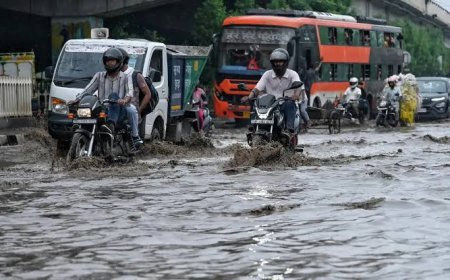
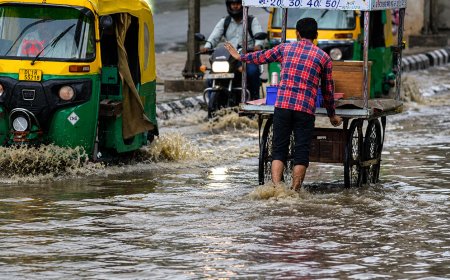
In May 2025, India conducted reservoir flushing at its Salal and Baglihar dams on the Chenab River without notifying Pakistan. This operation temporarily reduced water flow into Pakistan and caused localized flooding downstream once the gates were reopened, demonstrating India’s significant influence over river management after the suspension of the treaty.
The report also notes that Afghanistan has begun fast-tracking a dam on the Kunar River, further reducing water availability for Pakistan, adding to the strain on the country’s agriculture.
Limited Storage Capacity Amplifies Vulnerability
The IEP report emphasizes that Pakistan’s water security is fragile due to its insufficient reservoir capacity. “Even minor disruptions at critical moments could have devastating effects on agriculture,” the study warns, noting that prolonged reductions in Indus flows could trigger severe shortages in Pakistan’s irrigated regions.
Water as a Strategic Tool
India’s dam projects on the western rivers are primarily run-of-the-river systems, meaning they store little water. However, the timing of dam operations gives New Delhi strategic leverage over downstream conditions, placing Pakistan in a sensitive position. The report observes that India’s unilateral decisions since suspending the IWT have not yet triggered armed conflict, but they heighten Pakistan’s vulnerability.
The study also links the water tensions to broader geopolitical developments, including Pakistan’s recent defence cooperation with Saudi Arabia, suggesting that Islamabad seeks external support in light of India’s growing control over water resources.
India’s Utilization of Its Water Share
According to the report, India has increasingly utilized its full water entitlement under the treaty, constructing projects such as the Shahpurkandi Dam on the Ravi and the Ujh Dam, while expanding hydropower development on western rivers like the Ramganga and Kishanganga. These moves, combined with strategic dam operations, give India considerable influence over water flows into Pakistan.
The IEP report concludes that Pakistan’s water security and agricultural stability are now closely tied to India’s decisions. With limited storage and increasing regional tensions, even minor changes in river flow could have major consequences for Pakistan’s food supply and economy.
What's Your Reaction?
 Like
0
Like
0
 Dislike
0
Dislike
0
 Love
0
Love
0
 Funny
0
Funny
0
 Angry
0
Angry
0
 Sad
0
Sad
0
 Wow
0
Wow
0