























Trump’s Iran Dilemma Deepens: Why Every Strategic Choice Is Becoming More Difficult
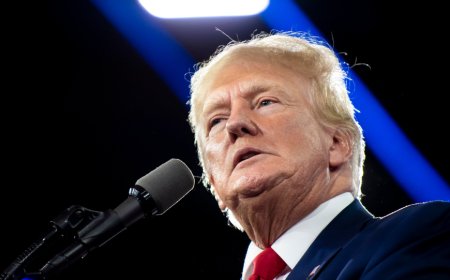
As tensions between the United States and Iran continue to evolve, President Donald Trump faces increasingly difficult decisions. Whether pursuing military action, diplomacy, or maintaining pressure through sanctions, every available option carries significant political, economic, and security risks, making the Iran challenge one of the toughest foreign policy tests of his presidency.

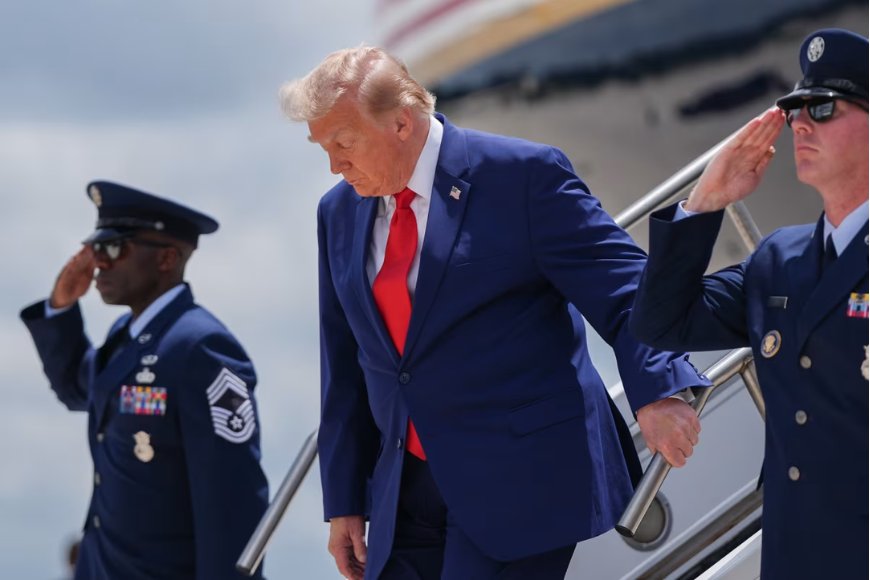
Trump’s Iran Dilemma Deepens: Why Every Strategic Choice Is Becoming More Difficult
The United States' relationship with Iran has long been one of the most complex and volatile issues in global politics. Over the decades, disagreements over Iran's nuclear programme, regional influence, sanctions, military activities, and diplomatic relations have repeatedly brought the two countries to the brink of confrontation. Now, as tensions continue to evolve, President Donald Trump finds himself confronting a series of difficult choices where every possible path appears to carry significant consequences. Political analysts argue that at every turning point in the Iran crisis, the range of favourable options has narrowed, leaving Washington to choose between strategies that all involve considerable diplomatic, military, economic, or political risks.
One of the primary challenges facing the Trump administration is balancing national security objectives with the desire to avoid another prolonged conflict in the Middle East. Any decision regarding Iran is likely to affect not only bilateral relations but also the security of key American allies, international trade routes, global energy markets, and overall stability across the region. As a result, every policy decision carries implications far beyond the immediate dispute between Washington and Tehran.
Military action remains one of the most debated options. Some security experts argue that targeted strikes or increased military pressure could weaken Iran's strategic capabilities, deter future attacks, and reinforce America's commitment to regional security. Supporters of a tougher military approach believe demonstrating strength could discourage Iran from expanding its nuclear programme or supporting armed groups across the Middle East. However, critics warn that military escalation carries enormous risks. A direct conflict could trigger retaliation against American military bases, allies, and commercial shipping routes, while also increasing instability throughout the Gulf region. Such an escalation could ultimately draw the United States into another extended military engagement with unpredictable consequences.
Another option involves maintaining the current strategy of economic sanctions and diplomatic isolation. Since sanctions have been a central component of U.S. policy towards Iran for several years, supporters believe they continue to limit Iran's financial resources and restrict its ability to fund military activities. Economic pressure is viewed as a means of encouraging behavioural change without direct military confrontation. Nevertheless, sanctions alone have not fully resolved the underlying disagreements between the two countries. Critics argue that prolonged economic restrictions may strengthen hard-line political positions within Iran while placing additional hardship on ordinary citizens. Furthermore, sanctions have not eliminated concerns regarding Iran's nuclear ambitions or regional influence, raising questions about their long-term effectiveness.
Diplomatic engagement represents another possible path, although it comes with its own political challenges. Negotiations could potentially reduce tensions, establish confidence-building measures, and revive agreements aimed at limiting Iran's nuclear activities. Diplomacy is generally viewed by international organisations and many allied nations as the most sustainable route to preventing military confrontation. However, restarting negotiations would require both sides to compromise on issues that have remained deeply contentious for years. Domestically, any major diplomatic concession may also become politically controversial, particularly if opponents portray negotiations as a sign of weakness rather than strategic engagement.
The broader geopolitical environment further complicates decision-making. Iran maintains relationships with several regional actors and international powers, meaning that any American policy shift could influence diplomatic relations with countries across the Middle East, Europe, Russia, and China. Regional partners such as Israel and Gulf nations closely monitor Washington's decisions, while European allies generally advocate continued diplomatic efforts. This complex international landscape means that American policymakers must consider not only bilateral relations with Iran but also the reactions of multiple governments whose security interests are directly affected by developments in the region.
Another major concern involves global energy markets. The Strait of Hormuz remains one of the world's most important maritime routes for oil transportation. Any escalation between the United States and Iran could disrupt commercial shipping through the waterway, potentially affecting global oil prices and international trade. Even the possibility of military confrontation often creates uncertainty in financial markets, influencing energy costs and investor confidence worldwide. Governments therefore recognise that decisions regarding Iran have significant economic implications extending well beyond the Middle East.
Domestic politics also play an important role in shaping U.S. policy. Presidential decisions on national security are closely scrutinised by Congress, political parties, defence experts, and the American public. Some lawmakers advocate stronger deterrence against Iran, while others emphasise diplomacy and conflict prevention. Public opinion regarding overseas military involvement has also evolved following previous conflicts in Iraq and Afghanistan, making foreign policy decisions increasingly sensitive from a political perspective.
Analysts suggest that one of the greatest difficulties facing the Trump administration is that earlier policy decisions have reduced the number of straightforward solutions available today. Years of sanctions, changing diplomatic agreements, regional conflicts, and shifting alliances have created an environment where every option carries substantial trade-offs. Escalation risks military conflict, diplomacy demands compromise, and maintaining the status quo may simply prolong existing tensions without resolving the core issues.
Security experts also point out that Iran's nuclear programme continues to influence international discussions. Western governments remain concerned about nuclear proliferation and regional security, while Iran maintains that its nuclear activities are intended for peaceful purposes within its rights under international agreements. These differing positions have remained a central obstacle in diplomatic negotiations and continue to shape policy debates in Washington and among allied governments.
Despite the growing challenges, many observers believe diplomacy remains the most practical long-term solution, provided that meaningful safeguards, verification mechanisms, and mutual commitments can be established. Others argue that maintaining economic pressure while keeping communication channels open may provide greater leverage in future negotiations. Ultimately, there is no consensus among policymakers regarding the most effective strategy, reflecting the extraordinary complexity of the issue.
The evolving Iran situation demonstrates how foreign policy decisions rarely present simple choices. Instead, leaders often face competing priorities involving national security, economic stability, international alliances, domestic politics, and humanitarian concerns. President Trump's handling of Iran will therefore continue to be closely watched not only within the United States but also across the international community, as each decision has the potential to influence regional stability and global diplomacy for years to come.
As the crisis develops, one reality remains clear: every major decision regarding Iran now involves balancing significant risks against uncertain rewards. Whether through diplomacy, continued economic pressure, or enhanced military deterrence, each available path presents difficult trade-offs. This is why many political analysts describe the current situation as one in which every fork in the road leads to increasingly challenging choices, making the Iran issue one of the defining foreign policy tests of the Trump presidency.
What's Your Reaction?
 Like
0
Like
0
 Dislike
0
Dislike
0
 Love
0
Love
0
 Funny
0
Funny
0
 Angry
0
Angry
0
 Sad
0
Sad
0
 Wow
0
Wow
0