
























Trump’s Military Action in Portland Ruled Illegal by U.S. District Court
Washington D.C., November 8, 2025 — In a significant legal setback for former U.S. President Donald Trump, a federal judge has ruled that his administration illegally ordered the deployment of National Guard troops to Portland, Oregon, during protests against immigration authorities.

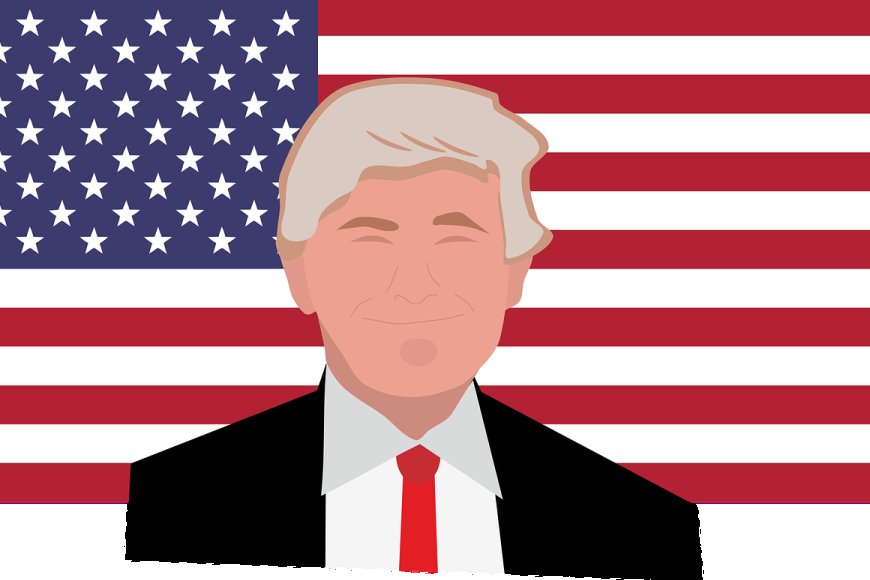
A U.S. federal judge ruled that former President Donald Trump illegally ordered National Guard troops to Portland, Oregon, marking the first permanent block on his use of military force within the country to suppress protests.
U.S. Judge Rules Trump Illegally Ordered National Guard to Portland, Oregon
The ruling, issued on Friday (November 7) by U.S. District Judge Karin Immergut, permanently blocks the Trump administration’s use of National Guard forces in the city, declaring the deployment “unconstitutional and beyond presidential authority.”
The decision replaces an earlier interim injunction that had temporarily halted the troop deployment in 2020.
A Landmark Decision
Judge Immergut’s ruling marks the first permanent judicial block on Trump’s attempts to use federal troops to quell domestic unrest. The court found that the president’s actions violated long-standing legal and constitutional norms that restrict the use of military forces on U.S. soil without proper authorization.
“The President’s authority does not extend to using military personnel to enforce civilian law absent Congressional approval,” the judge wrote in her opinion, emphasizing that the deployment breached both federal statutes and constitutional safeguards.
The ruling also highlighted that the Posse Comitatus Act, a 19th-century law designed to prevent the military from acting as a domestic police force, was effectively undermined by the administration’s decision.
Background: Protests and Deployment
The case stems from the 2020 protests in Portland, which erupted after demonstrations against immigration enforcement and police brutality. Trump’s administration deployed federal agents and National Guard troops to the city, claiming it was necessary to restore order.
However, local officials and civil rights groups accused the government of overreach and excessive force, saying the deployments escalated tensions instead of calming them.
Wider Implications
Legal experts say the ruling sets an important precedent on the limits of presidential power to use the military within the United States.
Trump had also sought to deploy federal troops in Los Angeles, Chicago, and Washington D.C., citing threats of civil unrest, but those plans were met with widespread criticism and lawsuits.
Constitutional scholar Dr. Elaine Porter said the ruling reaffirms a key democratic principle:
“Civilian law enforcement must remain separate from military authority. The court’s decision protects that balance.”
Trump’s Response and Next Steps
While Trump’s representatives have not yet commented on the decision, sources close to his legal team indicated that they plan to appeal the ruling to the U.S. Court of Appeals.
The Biden administration, which inherited the ongoing litigation, has stated that it respects the ruling and will ensure future actions align with constitutional boundaries regarding domestic military use.
Historical Context
Trump’s attempts to deploy troops to American cities marked a sharp departure from decades of political and legal restraint. Since the Civil War, presidents have rarely invoked powers to send the military into domestic disputes, except under exceptional circumstances such as enforcing civil rights or responding to natural disasters.
Judge Immergut’s ruling reinforces those boundaries, underscoring the importance of civilian oversight and legal accountability in the use of armed forces within U.S. borders.
What's Your Reaction?
 Like
0
Like
0
 Dislike
0
Dislike
0
 Love
0
Love
0
 Funny
0
Funny
0
 Angry
0
Angry
0
 Sad
0
Sad
0
 Wow
0
Wow
0