





























US on High Alert After Israeli Intelligence Report on Alleged Threat Against Donald Trump; Speculation Grows Over Possible Iran Tensions
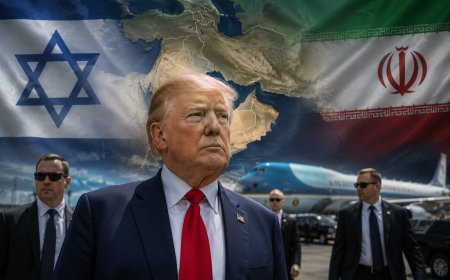
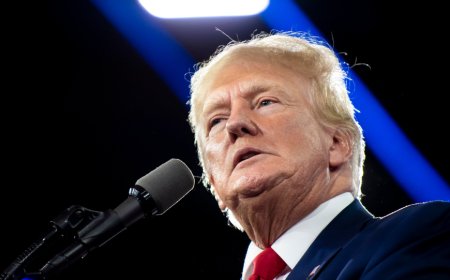
The United States has reportedly heightened security measures following intelligence shared by Israel regarding an alleged threat targeting former President Donald Trump. While officials have not publicly confirmed the specifics of the intelligence, the development has fueled fresh speculation over escalating US-Iran tensions and the possibility of renewed military action in the Middle East. Authorities continue to monitor the situation closely as diplomatic and security concerns intensify.

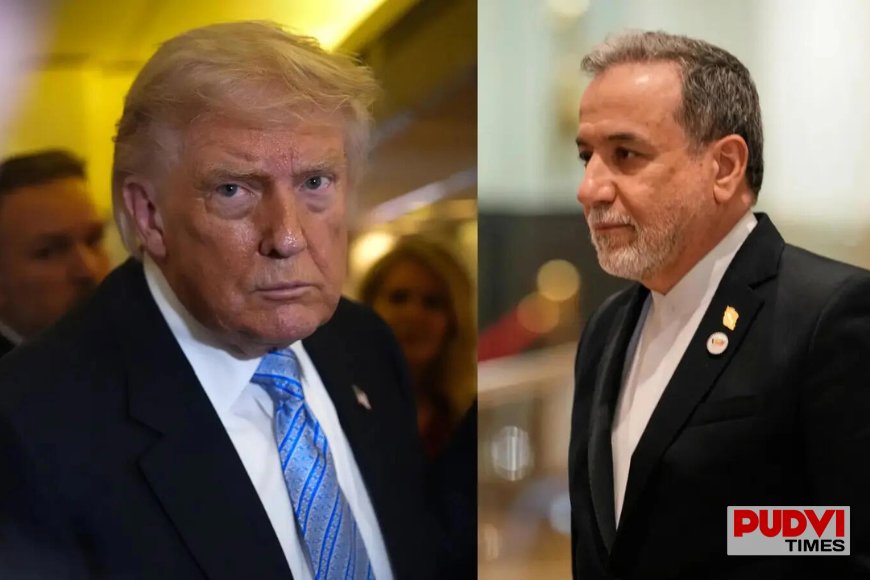
The United States has reportedly entered a heightened state of security preparedness following intelligence allegedly shared by Israel concerning a possible threat against former US President Donald Trump. Although officials have not publicly disclosed the full details of the intelligence assessment, reports suggesting a potential security risk have triggered renewed attention from American law enforcement and intelligence agencies. The development has also reignited discussions about the already fragile relationship between the United States and Iran, with analysts warning that any credible threat involving a high-profile American political figure could have significant diplomatic and security implications. While no official evidence has been made public linking Iran directly to any alleged plot, the reports have intensified speculation regarding the future direction of US policy in the Middle East.
According to media reports, Israeli intelligence agencies shared information with their American counterparts indicating the possibility of an alleged threat targeting Donald Trump. The exact nature, credibility, and source of the intelligence have not been officially disclosed, and authorities have remained cautious in their public statements. Security experts note that intelligence shared between close allies often contains varying levels of confidence and requires extensive verification before conclusions can be drawn. As a result, federal agencies are said to be conducting comprehensive assessments while reviewing intelligence from multiple sources before determining the level of any actual threat.
The reported intelligence has prompted US security agencies, including those responsible for protecting former presidents and senior political leaders, to review existing security arrangements. Protective measures surrounding high-profile public figures are routinely adjusted whenever credible intelligence emerges, regardless of whether the information is ultimately substantiated. Officials have emphasized that enhanced vigilance should not be interpreted as confirmation of an imminent attack but rather as part of established national security protocols designed to prevent potential threats before they materialize.
The reports have inevitably brought renewed attention to the long-standing tensions between Washington and Tehran. Relations between the United States and Iran have remained strained for decades due to disagreements over Iran's nuclear program, regional military activities, economic sanctions, and broader geopolitical influence across the Middle East. Those tensions intensified significantly following the 2020 US drone strike that killed Iranian General Qasem Soleimani in Baghdad. Iranian leaders have repeatedly condemned the operation and have publicly vowed that those responsible would face consequences through legal or political means. However, allegations linking Iran to specific assassination plots have often been disputed by Tehran, and each such claim requires independent verification.
The latest intelligence reports have also fueled speculation among geopolitical analysts regarding whether Washington could adopt a more aggressive posture if authorities conclude that any alleged threat is both credible and state-linked. Some observers suggest that any verified evidence implicating a foreign government in a plot targeting a former US president would represent an extremely serious escalation with potentially far-reaching diplomatic consequences. Others caution that speculation regarding possible military responses remains premature because no official determination has been announced by the US government.
Security analysts emphasize that intelligence reporting frequently involves incomplete or evolving information. Agencies often receive fragmented assessments that must be corroborated through surveillance, human intelligence, electronic intercepts, and cooperation with international partners. Consequently, governments rarely make immediate public accusations until evidence reaches a sufficiently high standard of confidence. This cautious approach helps reduce the risk of diplomatic misunderstandings while preserving the integrity of ongoing investigations.
Israeli and American intelligence cooperation has historically been among the closest security partnerships in the world. The two countries routinely exchange information concerning terrorism, cyber threats, regional conflicts, missile programs, and transnational security risks. Such cooperation enables both governments to identify emerging threats at an early stage and coordinate appropriate preventive measures. Intelligence sharing does not necessarily imply confirmation of a threat but reflects ongoing collaboration between allied security services.
The reports have generated considerable discussion across international media and social media platforms, with numerous commentators speculating about potential geopolitical consequences. Experts, however, have urged caution against drawing conclusions based solely on anonymous sources or preliminary reporting. They note that high-profile intelligence leaks often generate public attention long before official investigations are completed. Responsible reporting therefore requires distinguishing between confirmed facts, intelligence assessments, and public speculation.
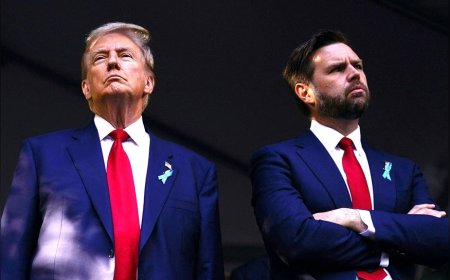
The situation also comes at a politically sensitive time in the United States, where Donald Trump remains one of the country's most prominent political figures. Any reported threat against a former president naturally attracts heightened security attention regardless of political affiliation. Federal authorities are legally obligated to investigate all credible threats directed at current and former national leaders, ensuring that appropriate protective measures remain in place while investigations continue.
Meanwhile, diplomatic observers believe that maintaining open channels of communication between major powers remains essential to preventing further escalation in an already volatile Middle East. Regional conflicts involving Iran, Israel, proxy armed groups, and Western allies continue to create a complex security environment in which intelligence warnings must be evaluated carefully. Miscalculations or premature conclusions could further increase tensions in an area already affected by multiple ongoing conflicts.
Officials have so far refrained from announcing any change in US military posture directly connected to the reported intelligence. Defense analysts note that military operations require extensive political, legal, and strategic consideration and are not based solely on preliminary intelligence reports. Although speculation regarding possible responses has circulated widely, no official statements have indicated that immediate military action is being planned in connection with these allegations.
As investigations continue, American authorities are expected to maintain heightened vigilance while working closely with intelligence partners to evaluate the credibility of the reported threat. Until official findings are released, much of the public discussion remains based on media reporting and expert analysis rather than confirmed government conclusions. The coming days may provide greater clarity as intelligence agencies complete their assessments and determine whether additional security measures or diplomatic actions are necessary. For now, the focus remains on protecting public officials, verifying available intelligence, and preventing any escalation that could further destabilize an already tense geopolitical landscape.
What's Your Reaction?
 Like
0
Like
0
 Dislike
0
Dislike
0
 Love
0
Love
0
 Funny
0
Funny
0
 Angry
0
Angry
0
 Sad
0
Sad
0
 Wow
0
Wow
0