
























US Launches Fresh Strikes on Iran as Trump Warns Tehran to 'Behave Better' Amid Rising Middle East Tensions
The United States has carried out a fresh round of military strikes targeting Iran-linked sites, while President Donald Trump issued a stern warning to Tehran, saying it "better behave." The latest escalation has heightened fears of a wider conflict in the Middle East, drawing international concern over regional security, diplomacy, and global energy market

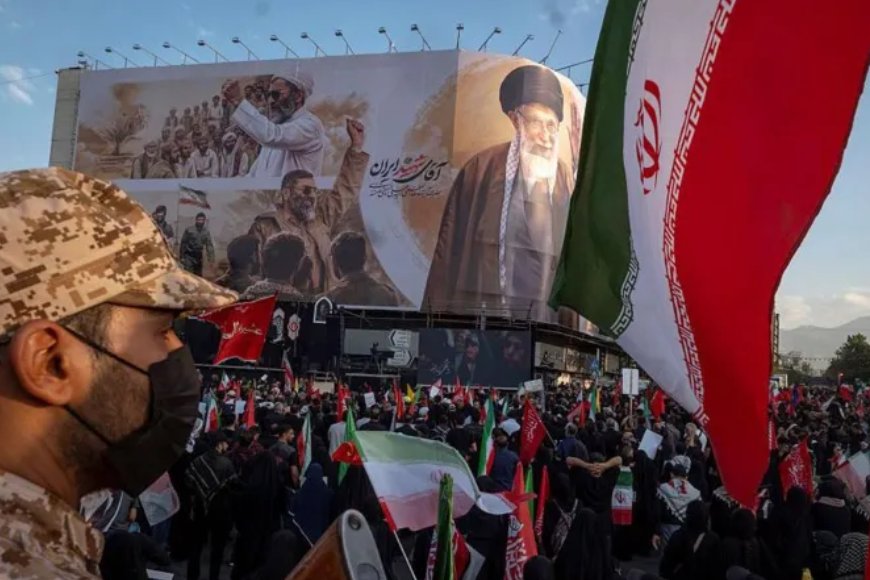
The conflict between the United States and Iran has entered another dangerous phase after the US military launched a fresh series of strikes against targets linked to Iran, further escalating tensions across the Middle East. The operation came shortly after US President Donald Trump delivered a strong warning to Tehran, stating that Iran had "better behave" if it wanted to avoid more severe consequences. The developments have reignited fears of a broader regional conflict involving multiple countries and armed groups, while world leaders continue urging restraint to prevent the crisis from spiraling into a full-scale war. Financial markets, energy analysts, and diplomatic observers are closely monitoring the situation, as any prolonged confrontation between Washington and Tehran could have far-reaching geopolitical and economic consequences.
According to US officials, the latest military operation was aimed at facilities believed to be connected to Iranian military infrastructure and proxy organizations operating in the region. American authorities described the strikes as a defensive and deterrent response designed to protect US personnel and strategic interests in the Middle East. The Pentagon stated that the operation was carefully planned to target military assets while attempting to minimize civilian casualties. However, Iranian officials condemned the strikes, calling them a violation of international law and accusing Washington of deliberately increasing instability in an already volatile region.
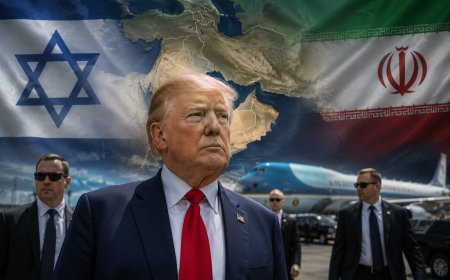
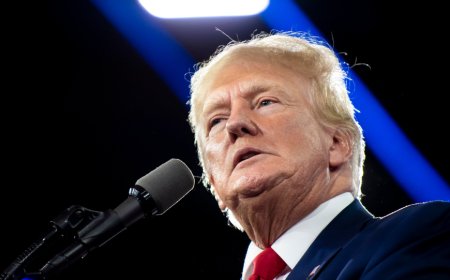
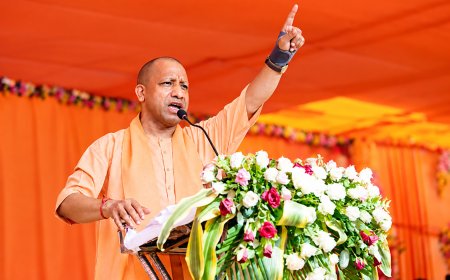
President Donald Trump defended the military action during a public address, warning Tehran against any future attacks on American forces or allies. In one of his strongest remarks since tensions escalated, Trump said Iran had "better behave" or face additional consequences. The statement reflected the administration's continued policy of maintaining military pressure while demanding that Iran reduce activities that Washington considers destabilizing. The President also emphasized that the United States was prepared to take further action if American interests were threatened.
Iranian leaders responded by rejecting the US accusations and insisting that the country would defend its sovereignty against what they described as foreign aggression. Officials in Tehran argued that American military actions only increase regional instability and make diplomatic solutions more difficult. Iranian state media reported that military and political leaders were reviewing their options while reaffirming that the country would respond appropriately to any attack on its territory or interests. Although no immediate retaliatory action was officially announced, security analysts warned that the possibility of indirect retaliation through regional proxy groups could not be ruled out.
The latest escalation comes amid months of increasing confrontation between the two countries. Tensions have been fueled by attacks involving regional militias, disputes over Iran's nuclear program, maritime security concerns in the Persian Gulf, and repeated military incidents involving US forces stationed across the Middle East. While both governments have publicly stated that they do not seek a full-scale war, each new military exchange has increased the risk of miscalculation. Experts warn that even limited military operations can rapidly expand into broader confrontations if either side responds aggressively.
The renewed conflict has also raised concerns among America's allies in the Middle East. Countries including Saudi Arabia, the United Arab Emirates, Qatar, Jordan, and Israel are closely monitoring developments due to the potential security implications for the region. Several governments have strengthened security measures around key military installations and critical infrastructure, while diplomatic channels remain active in an effort to reduce tensions. International organizations have also appealed for restraint, warning that further escalation could threaten regional stability and humanitarian conditions.
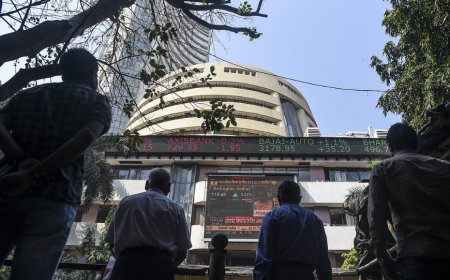
One of the biggest global concerns resulting from the confrontation is its potential impact on energy markets. The Middle East remains one of the world's most important oil-producing regions, and any disruption to shipping routes or energy infrastructure could significantly affect global crude oil prices. Investors reacted cautiously following reports of the US strikes, with energy markets showing increased volatility amid fears that hostilities could spread further. Analysts note that prolonged instability could influence inflation, transportation costs, and economic growth across multiple countries.
Beyond military considerations, the crisis also has major diplomatic implications. Several nations, including European allies, have urged both Washington and Tehran to avoid further escalation and return to diplomatic engagement wherever possible. International mediators continue exploring opportunities for dialogue aimed at reducing military tensions and preventing accidental confrontation. However, political analysts believe rebuilding trust between the two governments remains extremely challenging given years of sanctions, military incidents, and failed negotiations surrounding Iran's nuclear activities.
Defense experts argue that the latest US strikes reflect Washington's broader strategy of deterrence. By responding forcefully to perceived threats, the United States seeks to discourage future attacks against its military personnel, diplomatic missions, and regional partners. At the same time, analysts caution that sustained military pressure may also encourage retaliatory actions from Iran or Iran-backed groups, potentially creating a cycle of escalation that becomes increasingly difficult to control.
The humanitarian consequences of any prolonged conflict are also attracting attention. Previous military confrontations in the Middle East have displaced civilian populations, disrupted healthcare systems, damaged infrastructure, and created long-term economic hardship. International aid organizations have warned that any expansion of hostilities could worsen existing humanitarian challenges in several countries already affected by conflict and political instability. Human rights groups continue calling on all parties to respect international humanitarian law and prioritize the protection of civilians.
Global financial markets are expected to remain sensitive to further developments. Investors are closely watching official statements from both Washington and Tehran, as well as any signs of diplomatic engagement or additional military operations. Airlines, shipping companies, and multinational businesses operating in the region have also increased risk assessments while monitoring potential disruptions to trade routes and logistics networks. The uncertainty surrounding the crisis has reinforced concerns about broader geopolitical risks affecting the global economy.
As the situation continues to evolve, the international community remains focused on preventing further escalation while encouraging diplomatic solutions. Whether the latest military action leads to renewed negotiations or triggers another cycle of retaliation will largely depend on the decisions taken by leaders in Washington and Tehran over the coming days. With regional stability, global energy security, and international diplomacy all at stake, the developments are likely to remain one of the world's most closely watched geopolitical stories.
What's Your Reaction?
 Like
0
Like
0
 Dislike
0
Dislike
0
 Love
0
Love
0
 Funny
0
Funny
0
 Angry
0
Angry
0
 Sad
0
Sad
0
 Wow
0
Wow
0