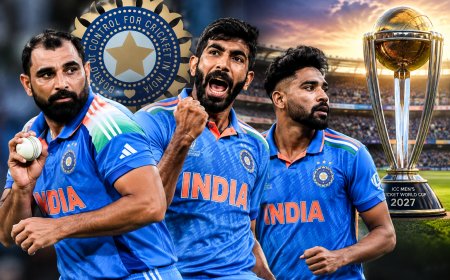
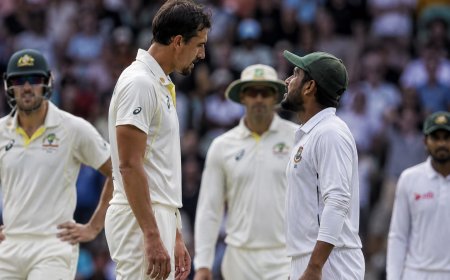
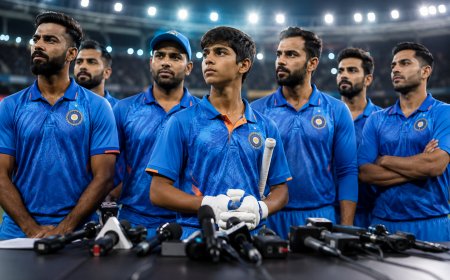
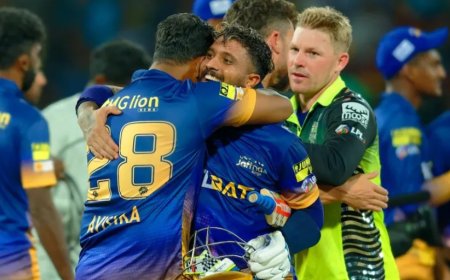
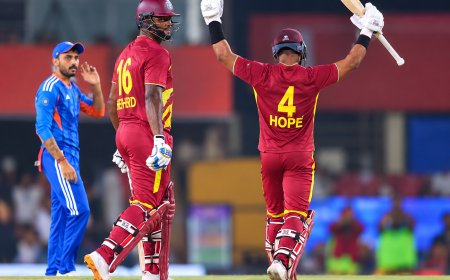
India’s worsening air quality is no longer just an environmental or public health concern — it is now casting a long shadow over competitive sport. From coughing fits and nausea to disrupted training schedules and venue relocations, air pollution is taking a visible toll on Indian athletes, while foreign players have formally flagged the issue with the International Olympic Committee (IOC).
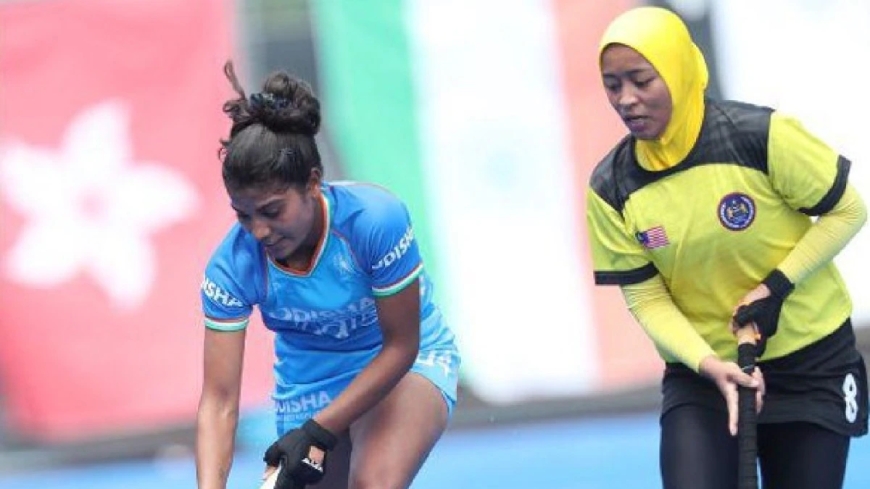
Athletes training and competing in major Indian cities have reported breathing difficulties, persistent coughing, eye irritation, and even vomiting during intense physical exertion. Coaches and support staff say prolonged exposure to hazardous air quality is affecting stamina, recovery, and overall performance, forcing teams to modify training routines or reduce outdoor sessions altogether.
The issue has gained international attention after foreign athletes and sporting bodies raised concerns with the IOC, questioning whether current conditions meet global standards for athlete safety. With India aspiring to host more international tournaments and multi-sport events, pollution-related health risks are emerging as a serious reputational challenge.
In several instances, organisers have been compelled to relocate matches, delay events, or implement emergency measures such as air-quality monitoring and reduced practice durations. However, athletes argue these steps are reactive and insufficient, calling for long-term solutions rather than temporary fixes.
Sports administrators and medical experts warn that without sustained policy intervention to improve air quality, India risks compromising athlete welfare and undermining its ambitions as a global sporting destination. As pollution levels continue to spike seasonally, the growing chorus of concern from both Indian and international athletes is pushing air quality from the sidelines to the centre of the sporting conversation.











 Like
0
Like
0
 Dislike
0
Dislike
0
 Love
0
Love
0
 Funny
0
Funny
0
 Angry
0
Angry
0
 Sad
0
Sad
0
 Wow
0
Wow
0