
































EPA Takes Historic Step, Flags Microplastics & Pharmaceuticals as Drinking Water Contaminants
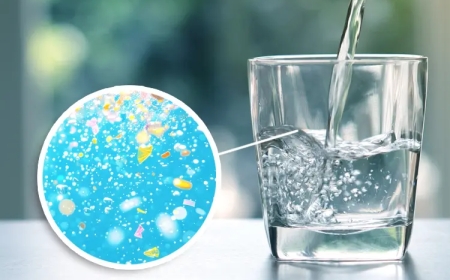
: In a move that could reshape how U.S. drinking water safety is addressed, the U.S. Environmental Protection Agency (EPA) announced a proposal to place microplastics and pharmaceuticals on its official Contaminant Candidate List—a first in the agency’s history. This action marks a significant pivot toward acknowledging and tackling previously unregulated pollutants in public water systems.

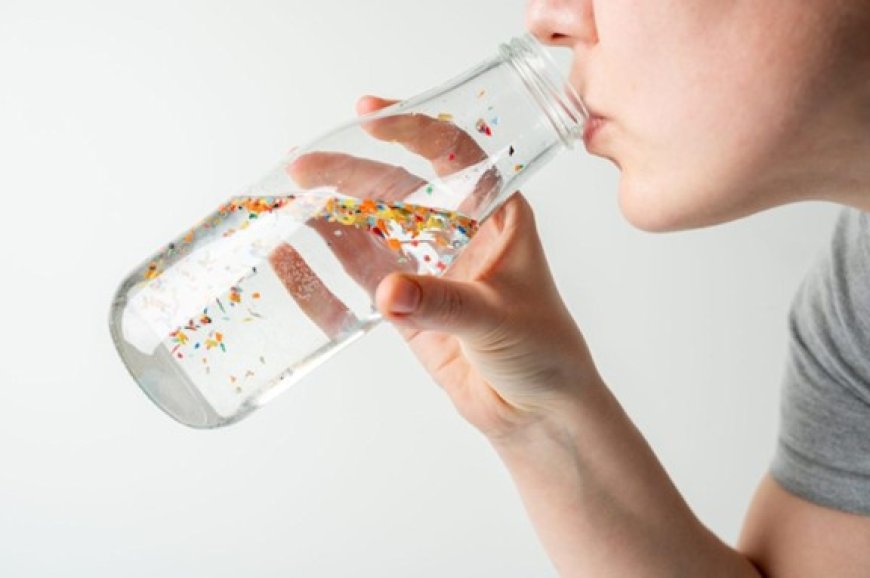
Under the Safe Drinking Water Act, the EPA updates the Contaminant Candidate List every five years to include substances known or anticipated to occur in public water systems that are not currently subject to national primary drinking water regulations. The agency’s draft sixth list now includes microplastics, drug residues, per‑ and polyfluoroalkyl substances (PFAS), disinfection byproducts, multiple chemicals, and several microbes.
EPA Administrator Lee Zeldin said the decision responds to growing public concern over tiny plastic particles and trace pharmaceuticals detected in water sources and even human tissues. “For too long, Americans have vocalized concerns about plastics and pharmaceuticals in their drinking water. That ends today,” Zeldin stated, emphasizing that this initiative will prioritize research, funding, and future risk assessments.
The proposal opens a 60‑day public comment period before the draft list is finalized, expected by mid‑November 2026. Inclusion on the list does not immediately impose regulatory limits but sets the stage for potential future standards once health risks are better understood.
Environmental groups cautiously welcomed the announcement, noting it is a necessary first step. However, some advocates argue that the EPA must go further by requiring systematic monitoring and enforceable regulations to protect public health and ecosystems from these emerging contaminants. Experts also stress the need for comprehensive scientific studies to clarify health impacts and establish evidence‑based thresholds.
This development comes amid growing global scrutiny of water quality and pollution, as communities worldwide grapple with the long‑term environmental and human health effects of persistent synthetic pollutants. With microplastics and drug residues now prioritized for federal review, the EPA’s action could catalyze broader policy responses in the United States and beyond.
What's Your Reaction?
 Like
0
Like
0
 Dislike
0
Dislike
0
 Love
0
Love
0
 Funny
0
Funny
0
 Angry
0
Angry
0
 Sad
0
Sad
0
 Wow
0
Wow
0