































India’s Retail Inflation Edges Up to 3.4% in March, Driven by Food Prices
India’s retail inflation rose slightly to 3.4% year-on-year in March 2026, marking an uptick after recent months of relatively stable price growth. The increase was largely driven by higher food prices, particularly in vegetables, edible oils, and essential commodities.

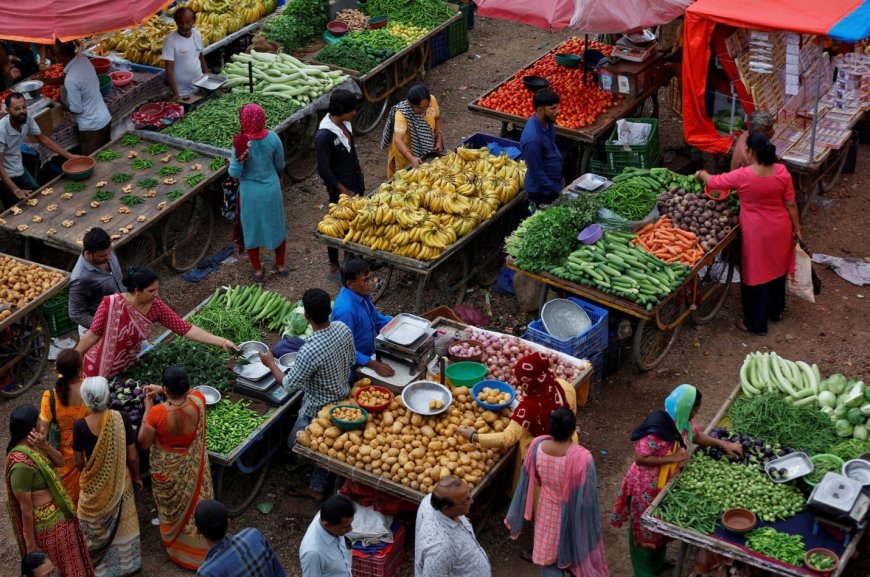
According to official data, the rise in inflation reflects seasonal price pressures as well as supply-side challenges in key agricultural products. While the inflation rate remains within the Reserve Bank of India’s comfort range, the upward trend has drawn attention from policymakers and economists.
Food inflation continues to be the primary contributor, with fluctuating prices of perishables affecting household budgets across both urban and rural areas. Experts warn that the situation could worsen if the upcoming monsoon season turns weaker than expected, potentially impacting crop output and supply chains.
Despite the increase, core inflation—excluding food and fuel—has remained relatively stable, indicating that broader demand pressures in the economy are still under control. However, global factors such as rising crude oil prices and geopolitical tensions may add further pressure in the coming months.
The Reserve Bank of India is expected to closely monitor inflation trends before making any decisions regarding interest rates. While no immediate policy changes are anticipated, a sustained rise in inflation could influence future monetary policy actions.
Overall, the modest rise in retail inflation highlights emerging risks for the Indian economy, even as it continues to maintain relative stability compared to global peers.
What's Your Reaction?
 Like
0
Like
0
 Dislike
0
Dislike
0
 Love
0
Love
0
 Funny
0
Funny
0
 Angry
0
Angry
0
 Sad
0
Sad
0
 Wow
0
Wow
0