























“Rabies in India: A Death Sentence Written by Poverty”
Rabies remains one of India’s most neglected public health crises, disproportionately affecting the poorest communities due to lack of awareness, access to vaccines, and affordable healthcare.

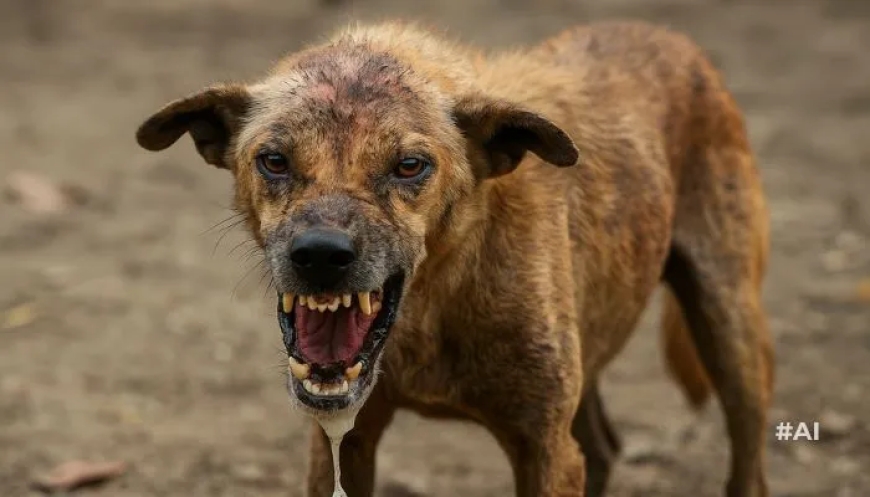
Rabies continues to be one of the most devastating yet preventable diseases in India, claiming thousands of lives every year—most of them among the country’s poorest and most vulnerable populations. Despite medical advances and the availability of effective vaccines, rabies remains a silent killer, thriving where poverty, lack of awareness, and weak public health systems intersect.
India accounts for nearly one-third of global rabies deaths, with the majority of cases resulting from dog bites, particularly from stray dogs. Rural areas and urban slums are disproportionately affected, where access to timely medical care is limited and misinformation about treatment remains widespread. For many families, the cost of post-exposure prophylaxis (PEP) is financially crippling, often forcing them to delay or abandon treatment altogether.
The economic burden of rabies is severe. Treatment requires multiple vaccine doses and, in some cases, costly immunoglobulin injections. For daily-wage workers and families living below the poverty line, these expenses can amount to several months’ income. As a result, many victims rely on traditional remedies or local healers, losing critical time that could have saved their lives.
Beyond healthcare access, systemic failures contribute to the crisis. Inadequate dog vaccination programs, poor animal birth control measures, and fragmented coordination between municipal bodies and health departments allow the disease to persist. Public awareness campaigns are sporadic, leaving many unaware that rabies is almost always fatal once symptoms appear—but entirely preventable if treated early.
Experts argue that eliminating rabies in India is achievable. Mass dog vaccination, affordable and accessible human vaccines, stronger public health outreach, and sustained government investment could dramatically reduce deaths. However, until rabies is treated as a public health priority rather than a neglected rural problem, it will continue to exact its cruel toll on India’s poorest citizens.
Rabies is not just a medical issue—it is a reflection of inequality. The disease thrives where healthcare is weakest, voices are unheard, and survival itself is a daily struggle.
What's Your Reaction?
 Like
0
Like
0
 Dislike
0
Dislike
0
 Love
0
Love
0
 Funny
0
Funny
0
 Angry
0
Angry
0
 Sad
0
Sad
0
 Wow
0
Wow
0