



































Sleep Sync, Heart Link
Simple nightly habits are linked to healthy blood pressure, a study suggests….

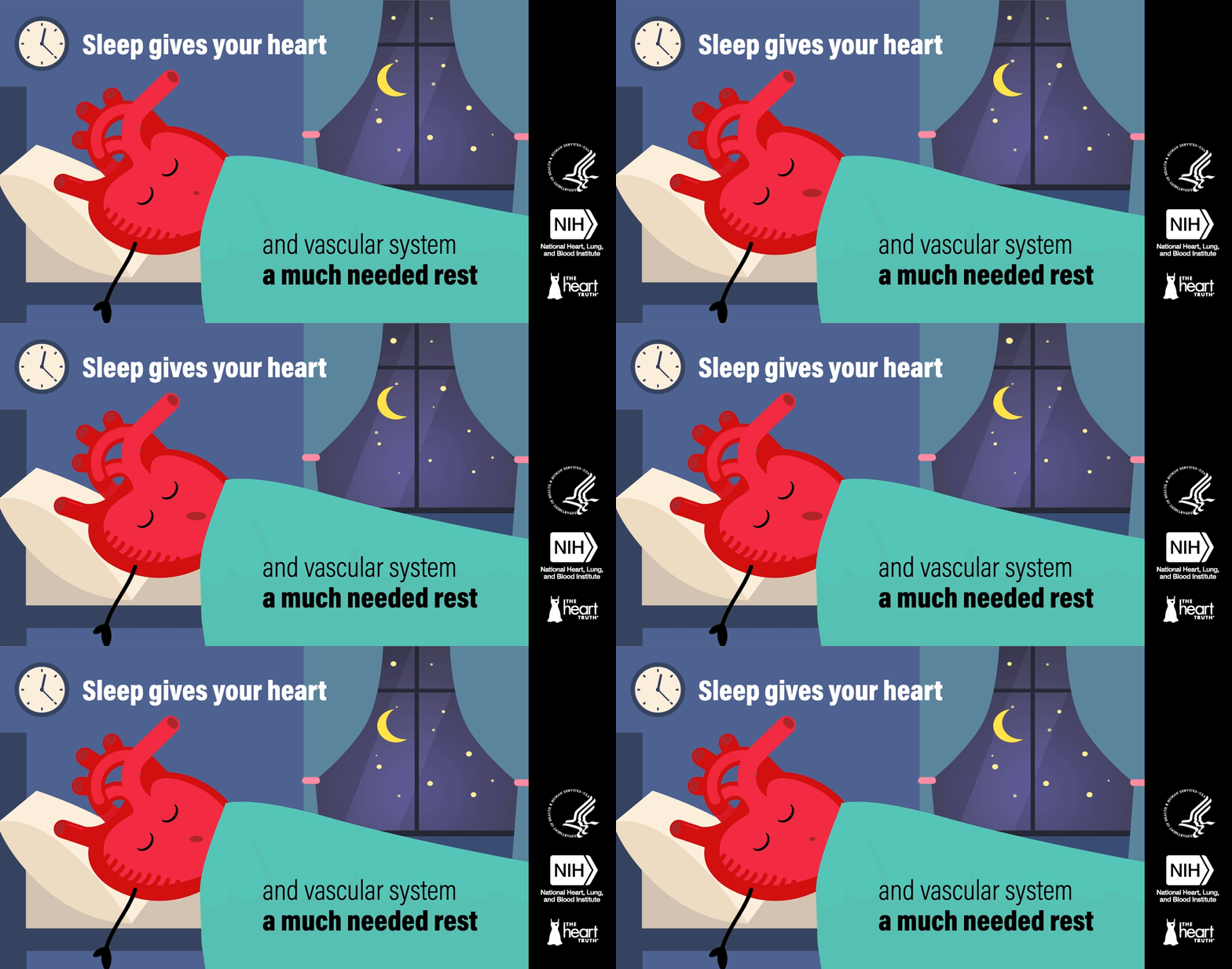
Consistency is king for your heart. When you sync your sleep and wake times, you help your body's internal master clock, the circadian rhythm, run smoothly.
A consistent bedtime plays a meaningful role in lowering blood pressure, according to new research examining how sleep timing affects cardiovascular health. While most people think primarily about getting enough hours of sleep, experts say when you sleep also has an important effect on heart health.
Dr. William Lu, medical director at Dreem Health in San Francisco, said that sleep duration and sleep timing work together and that consistency is a key part of supporting cardiovascular wellness.
Little-Known Facts on Sleep & Heart Health
Blood Pressure's Nighttime Dip: During healthy, consistent sleep (specifically the Non-REM stages), your blood pressure naturally drops by about 10–20%. This is called nocturnal dipping and gives your heart a vital rest period. Disrupting your sleep timing can dampen this dip, which can increase strain on your arteries over time.
The Early Morning Spike Risk: The incidence of adverse cardiovascular events—like heart attacks and strokes—is highest in the early morning hours (6:00 a.m. to 12:00 p.m.).
The AHA's New Essential: Recognizing its crucial role, the American Heart Association (AHA) recently added sleep to its core list of heart health essentials, "Life's Essential 8," alongside diet, exercise, and blood pressure control.
The fix doesn't require a doctor's prescription; it just requires a routine like
ü Fixed wake up time
ü Harnessing the light
ü Maintaining realistic bedtime
By making your sleep schedule a non-negotiable part of your daily health regimen, you're giving your heart the gift of regular rest and repair.
What's Your Reaction?
 Like
0
Like
0
 Dislike
0
Dislike
0
 Love
0
Love
0
 Funny
0
Funny
0
 Angry
0
Angry
0
 Sad
0
Sad
0
 Wow
0
Wow
0