





























US Yet to Conduct Standard Intelligence Review After Iran School Strike, Report Raises Fresh Questions

A fresh report has raised questions over a US military strike on a school in Iran, revealing that a standard post-strike intelligence review has not yet been conducted. Sources say the investigation has remained pending for months, delaying a formal assessment of what happened during the operation.

Jul 16, 2026 - 15:26
 0  4
US Yet to Conduct Standard Intelligence Review After Iran School Strike, Report Raises Fresh Questions

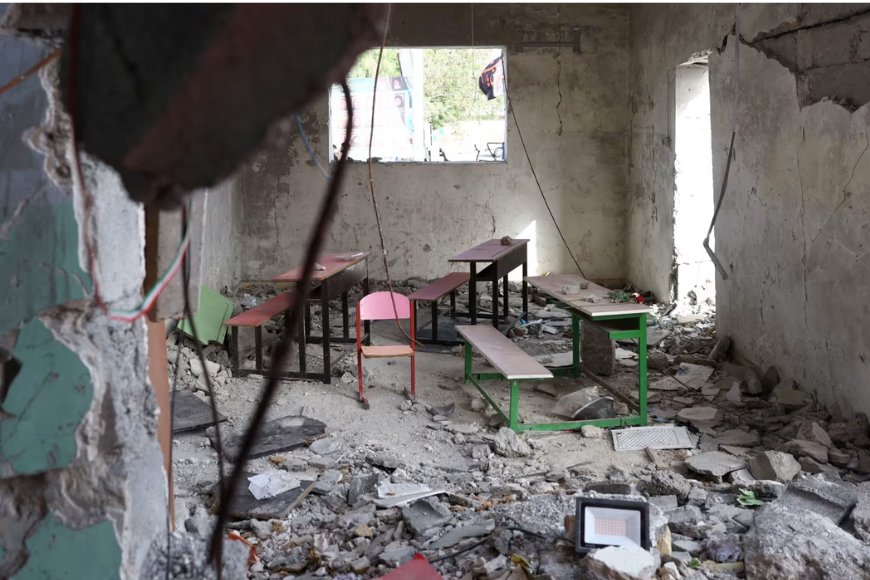
The United States military is facing renewed scrutiny after reports revealed that it has yet to complete a standard intelligence review into an airstrike that struck a school in Iran. According to multiple sources familiar with the investigation, the incident has remained under review for several months without the formal post-strike intelligence assessment that is typically conducted following major military operations.

The revelation has sparked fresh debate over military accountability, operational transparency, and the procedures followed after high-profile combat missions. Questions are now being raised about why the standard intelligence review has not been initiated and whether the delay could affect the accuracy of the investigation into what occurred during the strike.

A Delayed Intelligence Assessment

Under normal military procedures, significant airstrikes are often followed by comprehensive intelligence assessments designed to determine whether operational objectives were achieved and to evaluate any unintended consequences, including possible civilian casualties or damage to civilian infrastructure.

According to sources cited in recent reports, the investigation into the strike has remained within military command channels for months, while senior leadership has reportedly not authorized the formal intelligence review that would ordinarily provide a detailed assessment of the operation.

The absence of this review has become a focal point of concern among defense observers and officials familiar with military investigative procedures.

Why Intelligence Reviews Matter

Post-strike intelligence assessments are considered an essential component of modern military operations.

These reviews help commanders verify target identification, evaluate battle damage, determine mission effectiveness, and assess whether civilians or protected structures may have been affected during the operation.

The findings also contribute to future operational planning, improvements in targeting procedures, and accountability within military organizations.

Without such assessments, questions surrounding the accuracy and consequences of military operations may remain unresolved for extended periods.

Questions Over Operational Transparency

The reported delay has prompted discussions about transparency in military decision-making.

Independent analysts note that timely investigations are critical not only for establishing facts but also for maintaining public confidence in military institutions.

In situations involving civilian sites such as schools, hospitals, or residential areas, comprehensive reviews are often viewed as particularly important because of the potential humanitarian implications.

The lack of a completed intelligence assessment has therefore drawn attention from defense experts and international observers monitoring developments related to the incident.

Civilian Infrastructure and International Law

Military operations conducted near civilian infrastructure are among the most closely scrutinized aspects of armed conflict.

International humanitarian law requires all parties involved in conflicts to distinguish between military objectives and civilian objects and to take feasible precautions aimed at minimizing harm to civilians.

When incidents involve schools or other protected civilian facilities, investigations are commonly undertaken to determine the circumstances surrounding the strike, verify available intelligence, and assess compliance with applicable operational standards.

While reports have highlighted the delayed review, the final findings regarding the strike have not yet been publicly released.

Pentagon Under Increased Scrutiny

The reported delay has intensified scrutiny of Pentagon procedures for reviewing military operations.

Defense experts argue that standardized post-operation assessments play an important role in ensuring institutional learning and operational accountability.

Such reviews are also valuable for identifying potential shortcomings in intelligence gathering, target verification, communication processes, or command decision-making.

Although military investigations can sometimes take months due to the complexity of operational environments, the absence of a formal intelligence review has become a notable aspect of this particular case.

Broader Context of Regional Tensions

The reported investigation comes amid heightened tensions between the United States and Iran, where military actions, intelligence operations, and regional security concerns continue to influence diplomatic relations.

Both countries have experienced periods of confrontation involving military deployments, proxy conflicts, cyber activities, and strategic deterrence across the Middle East.

Incidents occurring during such periods often receive heightened international attention because of their potential impact on regional stability.

As a result, investigations into military operations carry significance not only for domestic accountability but also for broader diplomatic and strategic considerations.

Calls for Greater Accountability

Military accountability has become an increasingly important topic in international security discussions.

Experts emphasize that transparent investigations help reinforce confidence in military institutions while ensuring that operational standards continue to evolve based on lessons learned.

Independent oversight, intelligence verification, and after-action reviews are widely regarded as essential mechanisms for improving operational effectiveness and minimizing future risks.

The current case has renewed calls among some observers for faster investigative procedures and greater public disclosure once official reviews are completed.

Awaiting Official Findings

At present, no final intelligence assessment regarding the strike has been publicly released.

Officials have not provided a comprehensive explanation for why the standard review has reportedly not yet been conducted, and no official conclusions have been announced regarding the circumstances surrounding the operation.

Until the investigation is completed, many of the key questions—including the sequence of events, operational decision-making, intelligence validation, and the full impact of the strike—remain unanswered.

Future findings could play an important role in clarifying the incident and informing any subsequent policy or procedural changes.

Conclusion

The reported delay in conducting a standard intelligence review into the US military strike on a school in Iran has generated fresh attention toward military accountability and investigative procedures. While the operational investigation reportedly remains active, the absence of a formal intelligence assessment has raised questions about transparency and the evaluation process following significant military actions.

As defense officials continue examining the incident, observers will be watching closely for official findings that could clarify what occurred, assess the effectiveness of the operation, and determine whether existing military review procedures require improvements. The eventual conclusions may have broader implications for operational oversight, civilian protection practices, and future military decision-making in conflict zones.

What's Your Reaction?

Like Like 0
Dislike Dislike 0
Love Love 0
Funny Funny 0
Angry Angry 0
Sad Sad 0
Wow Wow 0