



























US-Iran Conflict Intensifies as Washington Resumes Airstrikes and Iran Reports Tanker Strikes in Hormuz
The conflict between the United States and Iran has entered a dangerous new phase after Washington resumed military strikes on Iranian targets, while Tehran claimed responsibility for attacks on two oil tankers in the Strait of Hormuz. The escalating confrontation has heightened fears of wider regional instability, disrupted global shipping, and raised fresh concerns over energy security and oil prices.

US Renews Strikes on Iran as Tehran Claims Tanker Attacks in Strait of Hormuz
The conflict between the United States and Iran intensified sharply on July 13, 2026, as the U.S. military carried out another round of strikes against Iranian targets while Tehran claimed responsibility for attacks on two oil tankers in the strategically vital Strait of Hormuz. The renewed hostilities have raised concerns that hopes for de-escalation have largely collapsed, increasing the risk of a broader regional conflict involving Gulf states and threatening one of the world's most important energy corridors.
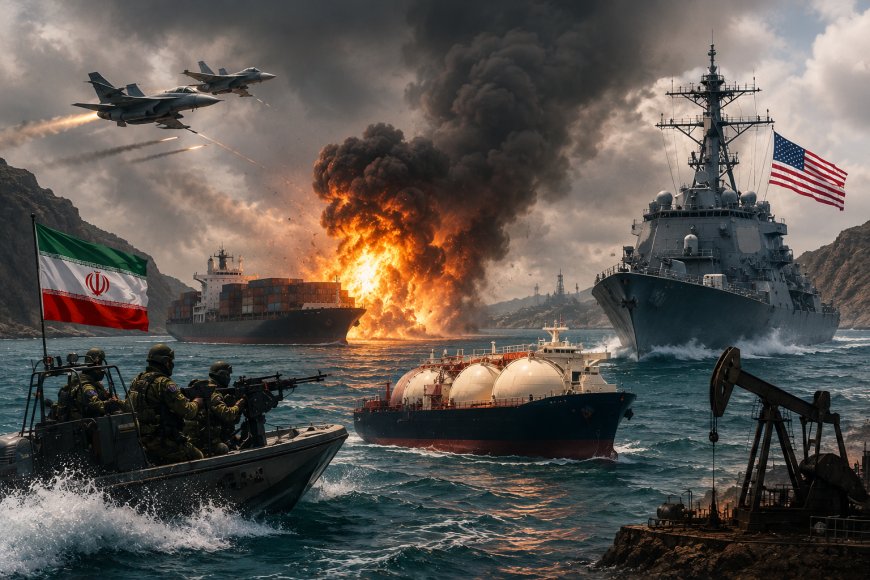
According to U.S. officials, American forces conducted a third consecutive night of strikes targeting Iranian military infrastructure, including air defense systems, coastal radar facilities, missile launch sites, drone capabilities, and naval assets believed to be involved in attacks on international shipping. Washington said the operation was intended to reduce Iran's ability to threaten commercial vessels navigating the Strait of Hormuz, a maritime chokepoint through which nearly one-fifth of the world's seaborne oil trade passes.
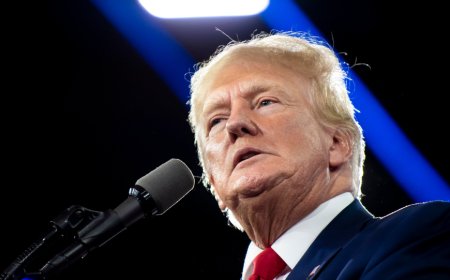
The escalation came shortly after President Donald Trump announced a tougher maritime policy in the Gulf, stating that the United States would reinforce its military presence around the Strait of Hormuz to keep the shipping route open. His administration also announced new measures affecting maritime traffic through the region, arguing that freedom of navigation must be protected amid increasing attacks on commercial shipping. The announcement marked a significant shift in Washington's approach to Gulf security and further heightened tensions with Tehran.
Iran responded by claiming responsibility for strikes on two oil tankers transiting the Strait of Hormuz. According to regional authorities, the vessels were damaged after being struck by cruise missiles, resulting in casualties among crew members and forcing emergency response operations. The incident has intensified fears over the safety of one of the world's busiest maritime trade routes, where hundreds of oil and cargo vessels transit every month.
The Strait of Hormuz remains one of the world's most strategically significant waterways, linking the Persian Gulf with the Gulf of Oman and the Arabian Sea. Any disruption in the passage immediately affects global energy markets because a substantial portion of international crude oil and liquefied natural gas exports move through this narrow corridor. Following the latest military escalation, several shipping companies reportedly reassessed routes, while maritime traffic through the strait declined significantly amid growing security concerns.
Financial markets reacted swiftly to the renewed fighting. Brent crude oil prices climbed sharply as traders anticipated possible disruptions in global energy supplies. Stock markets in several Asian economies also declined as investors shifted toward safer assets amid fears that prolonged instability in the Gulf could affect international trade, transportation costs, and inflation worldwide. Analysts warned that further attacks on shipping could trigger additional volatility in commodity and financial markets.
Military officials stated that the latest U.S. strikes were aimed at degrading Iran's capability to threaten international maritime commerce rather than targeting civilian infrastructure. Iran, however, condemned the attacks as acts of aggression and warned that any further military action would be met with additional retaliation. Iranian officials maintained that they would continue defending what they describe as their national security interests in the Gulf region.
The renewed confrontation has also raised fresh doubts about previous diplomatic efforts aimed at reducing tensions between Washington and Tehran. Earlier understandings intended to prevent attacks on commercial shipping now appear to be under severe strain, with both sides accusing each other of violating commitments. Diplomatic observers believe the collapse of mutual trust has significantly reduced prospects for immediate negotiations.
International organizations and maritime agencies have expressed growing concern over the deteriorating security environment in the Gulf. Shipping operators have been advised to exercise extreme caution while transiting the Strait of Hormuz, and several governments are closely monitoring the situation to ensure the safety of commercial vessels and their crews. Industry experts warn that prolonged instability could affect global supply chains far beyond the energy sector.
The latest developments have also drawn attention from governments across Europe, Asia, and the Middle East, many of which have urged restraint and called for renewed diplomatic engagement. Energy-importing nations are particularly concerned because any sustained disruption in Hormuz could increase fuel prices and place additional pressure on already fragile global economic conditions. Several analysts believe the coming days will be critical in determining whether the conflict remains limited or expands into a wider regional confrontation.
As military operations continue and tensions remain high, the international community is watching developments in the Gulf with increasing concern. The Strait of Hormuz remains central to global energy security, and any further escalation could have far-reaching consequences for international shipping, oil markets, and geopolitical stability. Whether diplomatic channels can prevent further confrontation will likely determine the direction of one of the world's most closely watched security crises.
What's Your Reaction?
 Like
0
Like
0
 Dislike
0
Dislike
0
 Love
0
Love
0
 Funny
0
Funny
0
 Angry
0
Angry
0
 Sad
0
Sad
0
 Wow
0
Wow
0