














As Nitin Nabin Takes Charge, How BJP Appoints Its President: Consensus Over Contests
With Nitin Nabin assuming charge, attention turns to the Bharatiya Janata Party’s distinctive method of appointing its president — a process driven by consensus and internal agreement rather than open elections.

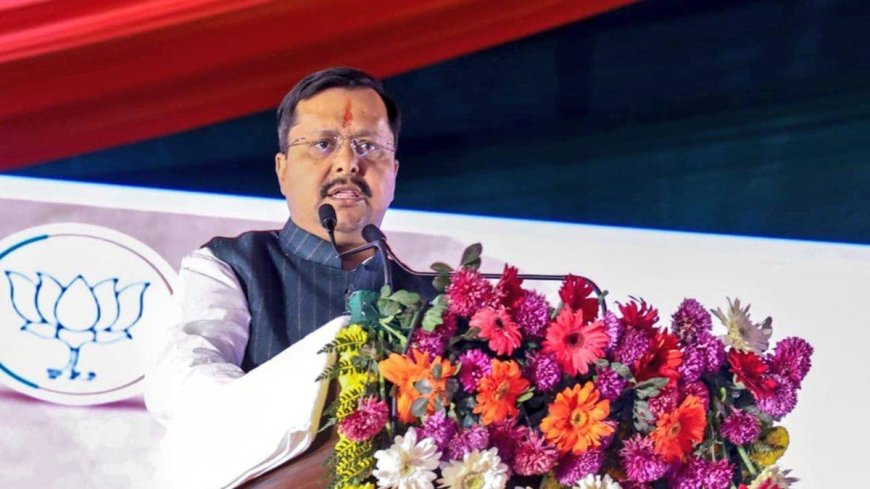
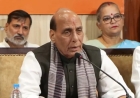
As Nitin Nabin steps into his new role, the spotlight has once again turned to how the Bharatiya Janata Party (BJP) selects its national president — a process marked more by consensus than competitive elections. Unlike many political parties that rely on formal voting contests, the BJP traditionally follows an internal system aimed at reaching a unanimous choice among senior leaders and organisational stakeholders.
The process typically begins with extensive consultations involving the party’s top leadership, representatives of its ideological parent organisation, and key figures from state units. Names are discussed behind closed doors, with an emphasis on finding a candidate who enjoys broad acceptance across regions and factions. By the time a nomination is formally announced, it is usually uncontested, making the appointment effectively unanimous.
Party leaders argue that this method ensures unity and organisational stability, preventing internal rivalries from spilling into the public domain. Critics, however, say the absence of elections limits internal democracy and reduces opportunities for open debate within the party structure.
Nitin Nabin’s appointment follows this established pattern, reflecting the BJP’s preference for continuity and consensus-building at the top. As the party prepares for future electoral and organisational challenges, its leadership selection process continues to underline a model where agreement and discipline take precedence over competitive internal polls.
What's Your Reaction?
 Like
0
Like
0
 Dislike
0
Dislike
0
 Love
0
Love
0
 Funny
0
Funny
0
 Angry
0
Angry
0
 Sad
0
Sad
0
 Wow
0
Wow
0