





























CNG Gets Costlier Again as Delhi, Mumbai and Major Cities See ₹2 Per Kg Hike
CNG prices have been increased by ₹2 per kg across Delhi, Mumbai, and several major metro cities, adding further pressure on commuters and transport operators. Gas companies cited rising global energy costs and supply concerns as key reasons behind the latest price revision.

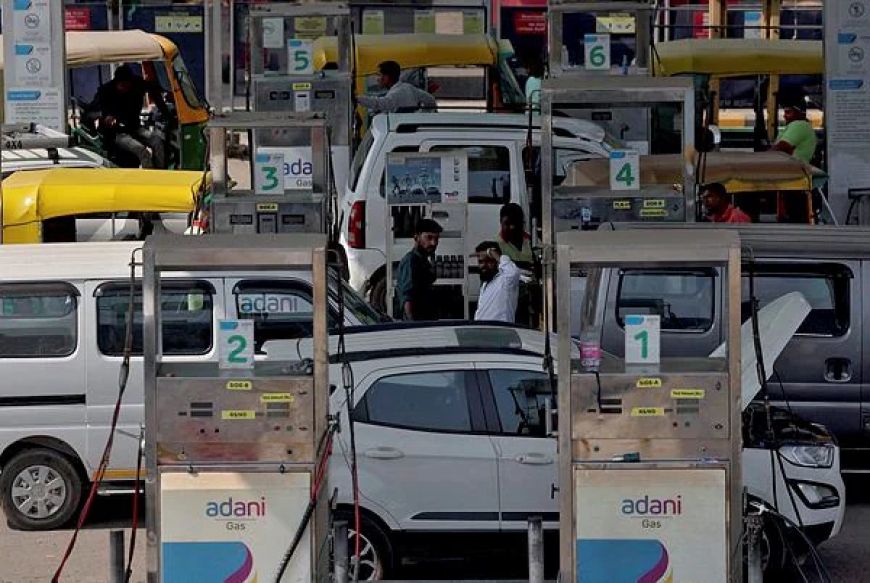
Compressed Natural Gas (CNG) prices have once again been increased across several major Indian cities, with consumers in Delhi, Mumbai, and other metro regions now paying ₹2 more per kilogram from Tuesday morning.
The latest hike comes amid continued volatility in global energy markets and rising import costs linked to international fuel prices. Gas distribution companies said the revision was necessary to balance operational expenses and maintain supply stability as geopolitical tensions continue to affect global energy trade.
In Delhi, the new CNG rate has crossed the ₹83 per kg mark, while revised prices have also been implemented in nearby NCR cities including Noida, Ghaziabad, Gurugram, and Faridabad. Similar increases have been reported in Mumbai and other metropolitan regions.
The price rise is expected to directly affect daily commuters, auto-rickshaw drivers, cab operators, and public transport services that heavily depend on CNG as a relatively economical fuel option. Transport associations in several cities have already expressed concern over rising operational costs and shrinking profit margins.
Industry experts say the latest increase is closely linked to higher LNG import expenses and uncertainty surrounding global crude and gas supply routes, especially amid tensions in the Middle East and the Strait of Hormuz region.
The repeated fuel price hikes over recent weeks have also raised concerns about inflationary pressure on household expenses and transportation costs. Economists warn that continued increases in fuel prices could eventually impact logistics, delivery services, and prices of essential goods.
Despite the hike, CNG continues to remain cheaper than petrol and diesel in many cities, which is why demand for gas-powered vehicles remains relatively strong. However, consumers are increasingly questioning the shrinking price gap between conventional fuels and cleaner alternatives.
Market analysts believe future fuel pricing will largely depend on international energy trends, currency fluctuations, and geopolitical developments affecting global oil and gas supply chains.
What's Your Reaction?
 Like
0
Like
0
 Dislike
0
Dislike
0
 Love
0
Love
0
 Funny
0
Funny
0
 Angry
0
Angry
0
 Sad
0
Sad
0
 Wow
0
Wow
0