




























Crude Signals: How Donald Trump and Global Oil Markets Dance to the Same Beat
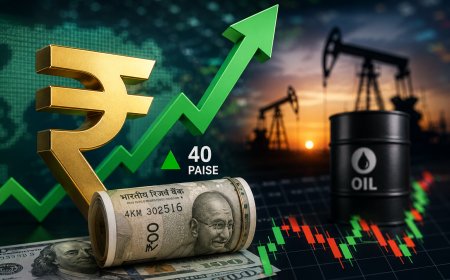
In the high-stakes world of global energy, oil prices are no longer driven solely by supply and demand—they are increasingly shaped by political signaling, geopolitical tensions, and market psychology. At the center of this dynamic stands Donald Trump, whose statements, policy hints, and strategic decisions have repeatedly sent ripples through global crude markets.

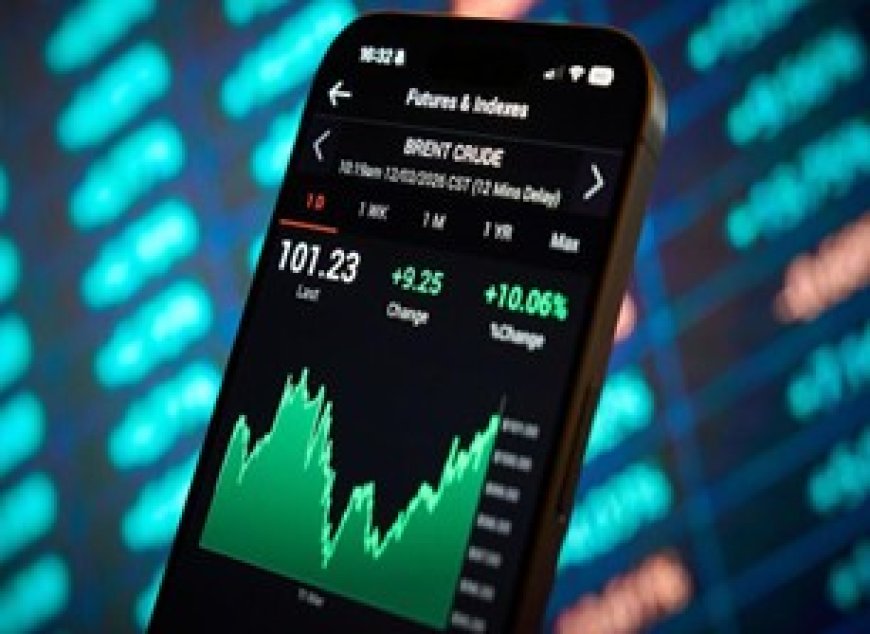
This evolving relationship resembles a carefully choreographed “tango,” where markets respond not just to real-world disruptions but also to expectations, rhetoric, and uncertainty. From military tensions in the Middle East to shifting diplomatic tones, oil traders are watching political cues as closely as inventory data.
Chart 1: The Power of Presidential Rhetoric
Financial markets have long reacted to political statements, but under Trump, the immediacy of that reaction has intensified. A single remark about sanctions, military action, or negotiations can move oil prices within minutes.
When Trump signals de-escalation—hinting at diplomacy or easing tensions—oil prices often fall as fears of supply disruption ease. Conversely, aggressive rhetoric or warnings of military action tend to trigger sharp price spikes. This highlights how perception and anticipation now play a critical role in energy markets.
Chart 2: The “War Premium” Effect
Geopolitical conflict, especially in oil-sensitive regions like the Middle East, introduces what analysts call a “war premium” into prices. The recent tensions involving Iran and the strategic Strait of Hormuz have underscored this phenomenon.
Roughly one-fifth of the world’s oil supply passes through this narrow waterway. Any threat to its stability—whether through direct conflict or blockade fears—adds a premium to crude prices, even if actual supply remains unchanged. Trump’s posture toward Iran has therefore had an outsized influence on market expectations.
Chart 3: Conflicting Signals, Confused Markets
Markets thrive on clarity, but mixed messaging creates volatility. At times, Trump has alternated between hardline stances and conciliatory tones within short periods.
For traders, this creates a dilemma: price in escalation or de-escalation? The result is frequent price whiplash, where oil swings sharply in both directions as investors attempt to interpret shifting signals. This pattern reflects a broader uncertainty about long-term policy direction.
Chart 4: Volatility Becomes the Norm
Oil markets have seen unusually high volatility in recent months, with price swings far exceeding historical norms. These fluctuations are less about immediate supply disruptions and more about future risk scenarios.
In effect, markets are trading on “what might happen” rather than “what is happening.” The combination of geopolitical tension, rapid information flow, and algorithmic trading has amplified these swings, making oil one of the most sensitive global assets to political developments.
Chart 5: The Limits of Influence
Interestingly, the market’s sensitivity to Trump’s statements may be diminishing. Analysts describe a growing “fatigue effect,” where repeated cycles of escalation and de-escalation reduce the credibility or impact of new statements.
While Trump’s influence remains significant, traders are increasingly relying on concrete developments—such as troop movements, sanctions enforcement, or actual supply disruptions—rather than rhetoric alone.
The interplay between Donald Trump and global oil markets illustrates a modern reality: markets are no longer driven purely by fundamentals. Instead, they are shaped by a complex mix of narrative, risk perception, and real-time political signaling.
What's Your Reaction?
 Like
0
Like
0
 Dislike
0
Dislike
0
 Love
0
Love
0
 Funny
0
Funny
0
 Angry
0
Angry
0
 Sad
0
Sad
0
 Wow
0
Wow
0