































Dalal Street in Panic Mode: Sensex Crashes 1,000 Points Amid Oil Price Shock
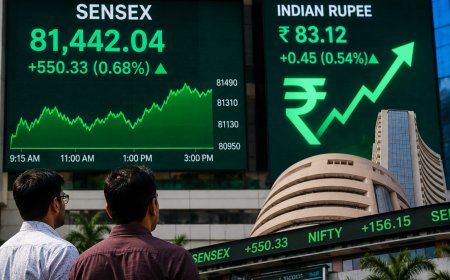
Indian stock markets witnessed heavy selling pressure as the Sensex plunged nearly 1,000 points and the Nifty50 slipped below the 23,900 mark. Rising crude oil prices, growing Middle East tensions, and weak global sentiment triggered panic among investors, leading to a broad-based market decline.


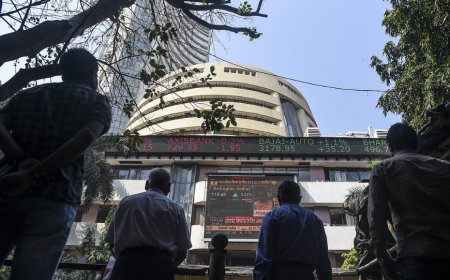
Indian stock markets witnessed heavy volatility on Monday as rising tensions in the Middle East sparked panic among investors and led to widespread selling across Dalal Street. The BSE Sensex plunged nearly 1,000 points during the session, while the NSE Nifty50 slipped below the key 23,900 mark, reflecting growing concerns over global geopolitical uncertainty.
The sharp fall in equities followed a sudden jump in international crude oil prices after fresh complications emerged in US-Iran peace discussions. Investor sentiment weakened significantly after US President Donald Trump rejected Iran’s latest proposal related to ceasefire negotiations, increasing fears of potential disruptions in global energy supply chains, especially around the strategically important Strait of Hormuz.
Brent crude prices surged past $105 per barrel, raising fresh concerns over inflation and India’s rising import bill. Since India depends heavily on crude oil imports, analysts warned that prolonged increases in oil prices could negatively impact economic growth, government finances, and corporate profitability in the months ahead.
Most major sectors ended in the red, with banking, information technology, automobile, and aviation stocks witnessing strong selling pressure. Market observers also pointed out that foreign institutional investors continued withdrawing funds from Indian equities due to uncertain global conditions and risk-off sentiment in international markets. Meanwhile, the Indian rupee weakened further against the US dollar, adding pressure to the broader financial environment.
Shares of airline and travel companies came under additional pressure as investors anticipated higher operational costs caused by rising aviation fuel prices. Oil marketing firms also saw losses amid concerns that elevated crude rates could hurt margins if domestic fuel prices remain regulated.
Experts believe market volatility may continue in the short term if geopolitical tensions fail to ease. Investors are now closely watching developments in the Middle East, fluctuations in crude oil prices, and signals from central banks worldwide for clues about future market direction.
Despite the sharp decline, some analysts suggested that long-term investors may eventually find opportunities in quality stocks once the geopolitical situation stabilizes. However, traders are expected to remain cautious until there is greater clarity on the US-Iran conflict and its potential impact on the global economy.
What's Your Reaction?
 Like
0
Like
0
 Dislike
0
Dislike
0
 Love
0
Love
0
 Funny
0
Funny
0
 Angry
0
Angry
0
 Sad
0
Sad
0
 Wow
0
Wow
0