






























RBI Holds Repo Rate at 5.25%, Cuts GDP Growth Forecast to 6.6%
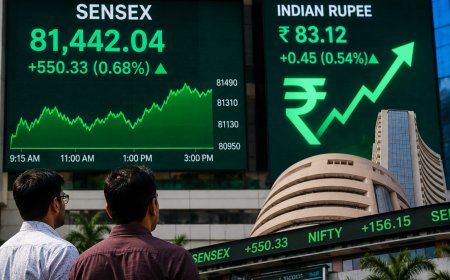
The RBI has kept the repo rate unchanged at 5.25% while maintaining a neutral policy stance. However, the central bank has lowered India's GDP growth forecast to 6.6%, citing global uncertainties, inflation risks, and economic challenges. The decision signals a cautious approach as policymakers balance growth concerns with price stability.

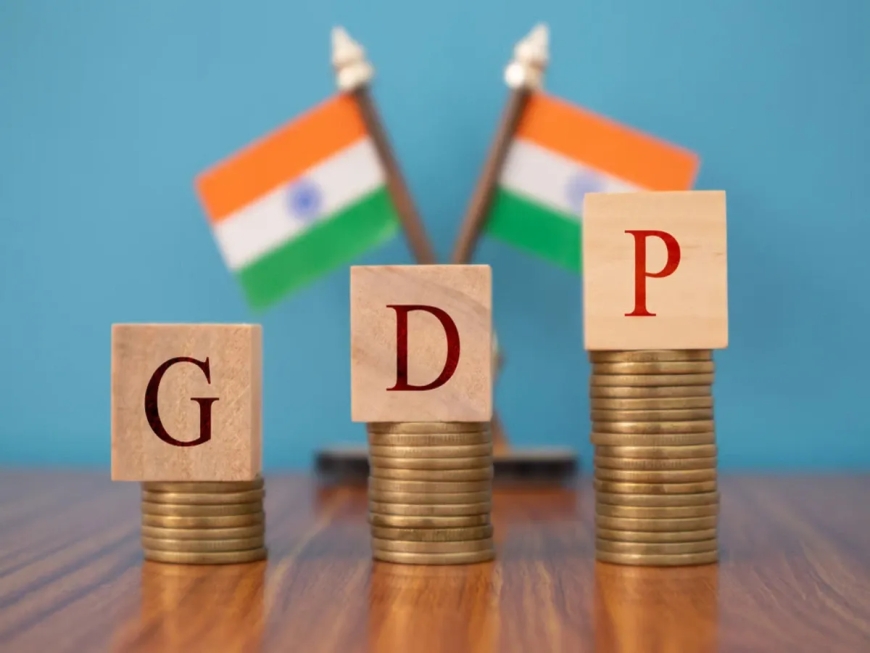
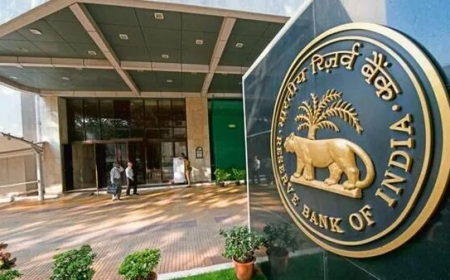
The Reserve Bank of India (RBI), under Governor Sanjay Malhotra, has decided to keep the repo rate unchanged at 5.25% following the latest Monetary Policy Committee (MPC) meeting. The central bank also maintained its "neutral" policy stance, indicating that future decisions will depend on evolving economic conditions rather than a predetermined direction. At the same time, the RBI revised India's GDP growth forecast downward to 6.6%, reflecting concerns over global economic uncertainties and domestic challenges.
What Is the Repo Rate and Why Does It Matter?
The repo rate is the interest rate at which commercial banks borrow funds from the RBI. It serves as a key tool for managing inflation and economic growth. When the RBI raises rates, borrowing becomes more expensive, helping to control inflation. When rates are lowered, loans become cheaper, encouraging spending and investment. The decision to keep the rate unchanged suggests that the central bank is trying to balance growth concerns with inflation risks.
Why Did RBI Leave the Repo Rate Unchanged?
The central bank faces a complex economic environment. Global geopolitical tensions, volatility in crude oil prices, uncertainty in international markets, and inflationary pressures remain significant concerns. At the same time, economic growth has shown signs of moderation. Rather than changing rates immediately, policymakers opted for a cautious approach to assess how these factors evolve in the coming months.
Why Was the GDP Growth Forecast Reduced?
The RBI lowered its GDP growth outlook to 6.6% due to multiple risks affecting the economy. Higher energy costs, weaker global demand, trade uncertainties, and external geopolitical developments could impact business activity and consumer spending. The revised estimate reflects a more cautious assessment of growth prospects for the coming fiscal year.
What Does the Neutral Policy Stance Mean?
A neutral stance means the RBI is not currently committed to either raising or lowering interest rates. Instead, it retains flexibility to respond to changing economic conditions. If inflation rises unexpectedly, the RBI could tighten policy. If growth slows further, it could consider supporting the economy through rate cuts.
How Will This Affect Consumers?
For borrowers, the decision means there is unlikely to be an immediate change in loan EMIs linked to the repo rate. Home loan, vehicle loan, and business loan borrowers can expect relative stability in borrowing costs for now. However, future changes will depend on inflation trends and overall economic performance.
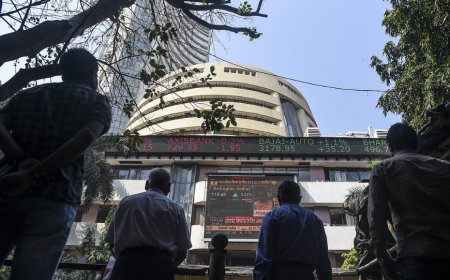
Businesses may welcome the policy stability, as unchanged interest rates provide predictability for investment decisions. Investors will closely monitor future inflation data, corporate earnings, and global developments to assess the RBI's next move. The lower growth forecast could also influence market expectations regarding future monetary policy.
What's Your Reaction?
 Like
0
Like
0
 Dislike
0
Dislike
0
 Love
0
Love
0
 Funny
0
Funny
0
 Angry
0
Angry
0
 Sad
0
Sad
0
 Wow
0
Wow
0