






























FCAS Collapse Opens Door for India-France Sixth-Generation Fighter Jet Partnership
The collapse of Europe's Future Combat Air System (FCAS) programme has created a potential strategic opening for India. Defence analysts believe France may now seek new international partners for the development of a sixth-generation fighter aircraft, with India emerging as a leading candidate due to its growing aerospace capabilities and longstanding defence ties with Paris.

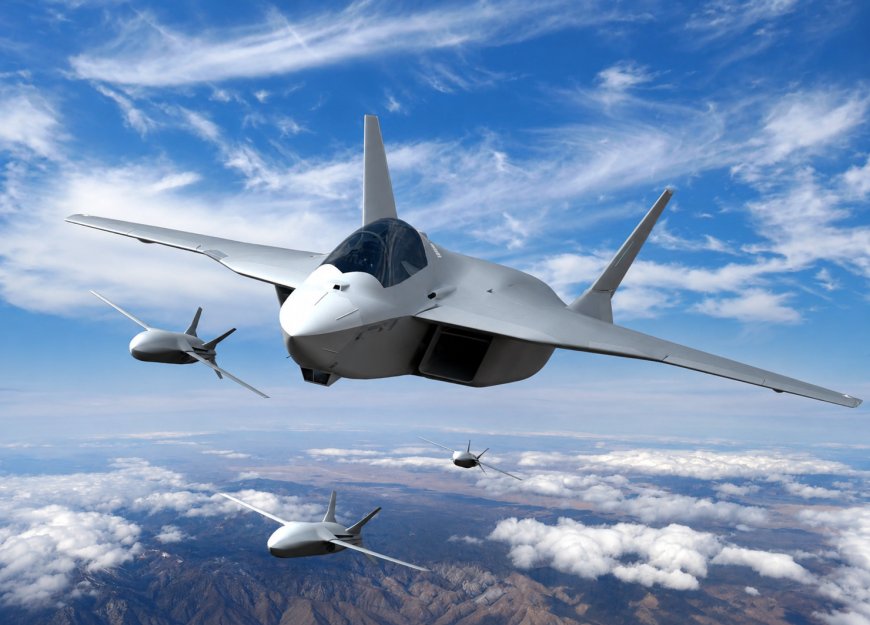
The collapse of Europe's Future Combat Air System (FCAS) programme has created a significant opening in the global defence industry, potentially paving the way for a new strategic partnership between India and France in the development of sixth-generation fighter aircraft.
The FCAS project, launched by France, Germany and Spain, was intended to become Europe's answer to next-generation combat aviation. Designed to replace existing fighter fleets from the 2040s onwards, the programme aimed to combine advanced stealth capabilities, artificial intelligence, network-centric warfare and unmanned combat systems into a single integrated platform.
However, years of disagreements over industrial leadership, technology sharing and work allocation ultimately undermined the initiative, forcing participating nations to reconsider their future plans.
What Was FCAS?
The Future Combat Air System was more than just a fighter jet programme. It was envisioned as a complete combat ecosystem centred around a sixth-generation stealth aircraft supported by autonomous drones, advanced sensors, artificial intelligence and secure battlefield networks.
The programme represented one of Europe's most expensive and technologically ambitious defence projects, with projected costs running into tens of billions of euros.
For European leaders, FCAS was intended to strengthen strategic autonomy and reduce dependence on American defence technology. Yet persistent disputes among industrial partners delayed progress and increased uncertainty surrounding the project's future.
Why India Matters
With FCAS no longer moving forward in its original form, defence analysts believe France may look beyond Europe for trusted partners capable of contributing both technologically and financially to future combat aviation programmes.
India is increasingly being viewed as one of the strongest candidates.
Over the past decade, New Delhi and Paris have significantly expanded defence cooperation. The acquisition of Rafale fighter jets, collaboration in the Indo-Pacific region and growing military-industrial ties have helped establish a strong strategic relationship between the two countries.
India has also demonstrated increasing ambitions in aerospace development through programmes such as the Advanced Medium Combat Aircraft (AMCA), a fifth-generation stealth fighter currently under development.
Analysts suggest that participation in a sixth-generation programme could accelerate India's efforts to acquire advanced technologies while reducing long-term dependence on foreign suppliers.
The Race for Sixth-Generation Air Power
The collapse of FCAS comes at a time when major military powers are investing heavily in next-generation combat aircraft.
The United States is pursuing its Next Generation Air Dominance programme, while China is believed to be advancing several classified projects involving stealth aircraft, artificial intelligence and unmanned systems.
Sixth-generation fighters are expected to differ significantly from current aircraft. Future platforms may feature enhanced stealth characteristics, optional manned operations, AI-assisted decision-making, advanced electronic warfare capabilities and the ability to command swarms of autonomous drones during combat missions.
Military planners increasingly view these technologies as essential for future air superiority in contested environments.
Potential Benefits for India
A partnership with France could provide India access to cutting-edge aerospace technologies that would otherwise require decades of independent development.
Such cooperation could include research into stealth materials, advanced propulsion systems, artificial intelligence integration, sensor fusion and next-generation battlefield networking.
For India, the opportunity extends beyond military capability. Participation in a major international fighter programme could strengthen the country's aerospace manufacturing sector, create high-skilled jobs and support the government's broader goal of expanding indigenous defence production.
The collaboration could also position India as a significant contributor to future global defence technology development.
Challenges Ahead
Despite the potential benefits, any future India-France partnership would face substantial challenges.
Sixth-generation fighter programmes require enormous financial investments, long development timelines and complex technology-sharing arrangements. Questions surrounding intellectual property rights, industrial participation and export controls would need to be resolved before any formal collaboration could move forward.
There is also no official confirmation that France has selected India as a partner or that negotiations have reached an advanced stage.
However, the strategic logic behind deeper cooperation has prompted growing speculation within defence circles.
A New Chapter in Defence Cooperation?
While the end of FCAS marks a setback for European defence ambitions, it may simultaneously create new opportunities elsewhere.
For India, the collapse of Europe's flagship fighter programme could offer a rare chance to participate in the development of one of the world's most advanced military technologies.
Whether that opportunity evolves into a formal partnership remains uncertain. But as global competition for air superiority intensifies, the prospect of India and France working together on a sixth-generation combat aircraft is likely to remain a subject of growing interest among defence planners and policymakers alike.
What's Your Reaction?
 Like
0
Like
0
 Dislike
0
Dislike
0
 Love
0
Love
0
 Funny
0
Funny
0
 Angry
0
Angry
0
 Sad
0
Sad
0
 Wow
0
Wow
0