





























US-Iran Tensions Ease as Trump Pauses Strikes and Egypt Calls for Diplomacy
A potential diplomatic breakthrough has emerged in the Middle East after US President Donald Trump called off planned military strikes against Iran. Egypt has urged both Washington and Tehran to use the opportunity to resolve outstanding disputes through dialogue, raising hopes of a broader de-escalation in a region strained by months of conflict.

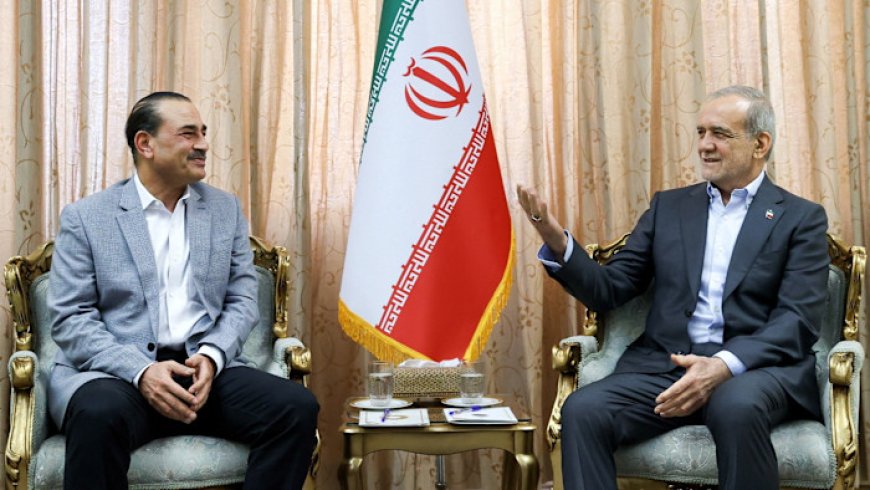
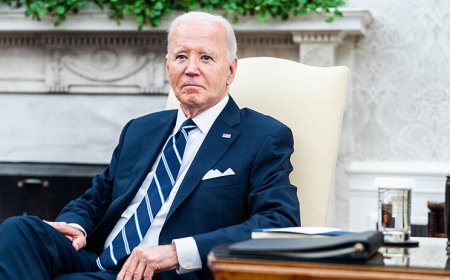
A potential diplomatic opening has emerged in the Middle East after US President Donald Trump announced that planned military strikes against Iran would not proceed, a move that has prompted renewed calls for negotiations from regional powers, including Egypt.
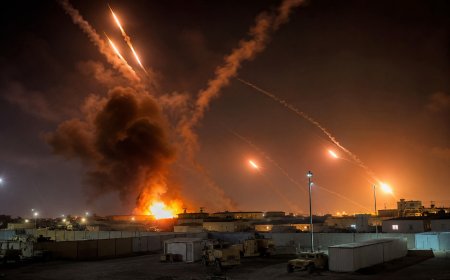
The announcement came after days of escalating tensions between Washington and Tehran that had raised fears of a wider regional conflict. Earlier this week, the United States and Iran exchanged military actions, while concerns grew over the security of the Strait of Hormuz, one of the world's most important energy corridors.
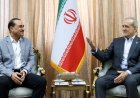
President Trump said the decision to halt the strikes was based on progress made in discussions with Iran's leadership and claimed that negotiations had reached an advanced stage. However, Iranian officials have publicly denied that a final agreement has been approved, suggesting that significant differences remain between the two sides.
What Led to the Crisis?
The latest crisis emerged after a series of military confrontations between the United States and Iran despite an earlier ceasefire arrangement. Washington accused Tehran of involvement in attacks on American military assets in the region, while Iran rejected those allegations and accused the US of escalating tensions through military action.
The situation intensified when reports emerged that Iran had moved to restrict navigation through the Strait of Hormuz, a strategic waterway through which a significant portion of the world's oil supply passes. The disruption triggered concerns across global energy markets and raised fears of a broader conflict involving multiple regional powers.
President Trump responded by threatening additional military action against Iranian targets, including strategic energy infrastructure. However, those plans were later suspended as diplomatic contacts reportedly accelerated.
Egypt Calls for Seizing the 'Available Opportunity'
Following Trump's announcement, Egypt welcomed the decision and urged both Washington and Tehran to use what it described as an "available opportunity" to reach a comprehensive agreement.
In a statement, Egypt's Foreign Ministry said it hoped ongoing diplomatic efforts would help resolve outstanding disputes, end the conflict, and pave the way for greater regional stability. Cairo stressed the importance of dialogue over military confrontation and reiterated its support for peaceful solutions to regional disputes. Egypt also emphasized the security concerns of Gulf nations and called for respect for national sovereignty across the region.
Egypt has been among several regional countries actively encouraging negotiations, warning that continued instability could have serious economic and security consequences for the Middle East.
Is a US-Iran Agreement Close?
President Trump has repeatedly suggested that a breakthrough may be imminent, stating that discussions have reached the highest levels of Iran's leadership and that a broader framework has received support from several regional governments. According to the US president, negotiations involve issues ranging from maritime security and regional stability to Iran's nuclear programme and sanctions-related concerns.
However, Tehran has offered a more cautious assessment. Iranian officials insist that while discussions are continuing, no final agreement has yet been approved. Reports indicate that disagreements remain over sanctions relief, the release of frozen Iranian assets, nuclear restrictions, and broader regional security arrangements.
The differing narratives highlight the uncertainty surrounding the negotiations and underscore the challenges that have historically complicated US-Iran relations.
Why the Strait of Hormuz Matters
The Strait of Hormuz remains at the centre of the crisis. The narrow waterway connects the Persian Gulf to international shipping lanes and serves as a critical route for global oil exports.
Any disruption to traffic through the strait has immediate consequences for international energy markets. Earlier fears that shipping could be severely restricted contributed to volatility in oil prices and heightened concerns among major energy-importing nations.
Recent reports suggest that progress in negotiations could eventually lead to a full reopening and normalization of maritime traffic through the strait, reducing pressure on global energy supplies.
Global Markets React
Financial markets responded positively to the apparent easing of tensions. Oil prices fell after news emerged that the planned strikes had been cancelled, reflecting reduced fears of immediate military escalation.
Investors interpreted the diplomatic developments as a sign that the risk of a broader regional war may be decreasing, although analysts continue to warn that the situation remains fragile and could change rapidly if negotiations collapse.
What Happens Next?
The coming days are expected to be crucial. While President Trump has expressed confidence that a deal could be finalized soon, Iranian officials continue to signal caution.
Diplomatic efforts are now focused on converting preliminary understandings into a formal agreement capable of addressing the key issues that have fuelled years of hostility between Washington and Tehran.
For now, the cancellation of military strikes has reduced the immediate risk of war. However, the future of the negotiations—and the stability of the wider Middle East—will depend on whether both sides can bridge the remaining gaps and transform a temporary pause in tensions into a lasting diplomatic settlement.
What's Your Reaction?
 Like
0
Like
0
 Dislike
0
Dislike
0
 Love
0
Love
0
 Funny
0
Funny
0
 Angry
0
Angry
0
 Sad
0
Sad
0
 Wow
0
Wow
0