

































Trump Reconsiders Germany Missile Deployment Plan Amid Rising Russia Tensions
The Trump administration is reportedly reconsidering a major missile deployment plan in Germany amid concerns that the move could further escalate tensions with Russia. The decision could have significant implications for NATO's security strategy, US-Russia relations, and Europe's defense posture, sparking debate over whether it is a step toward peace or a sign of strategic retreat.

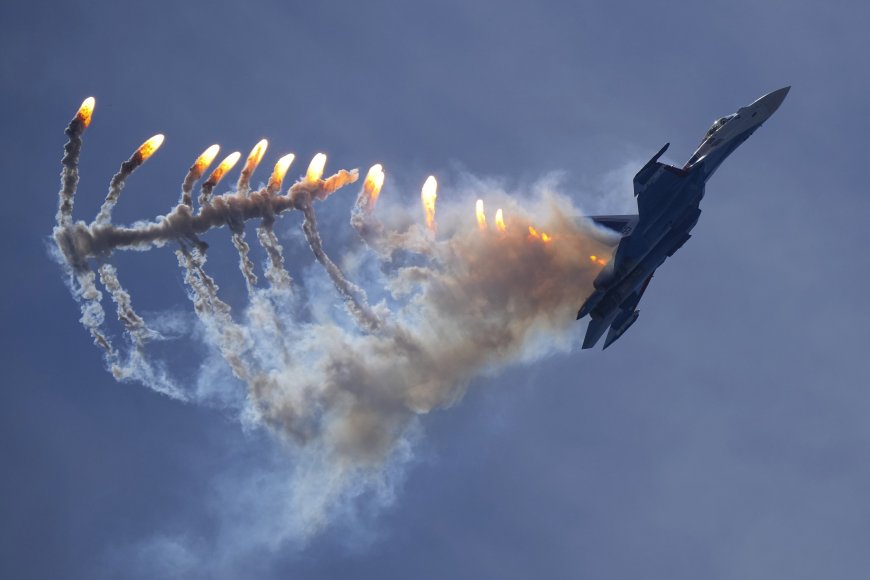
The missile deployment agreement was announced as part of a broader NATO strategy to strengthen Europe's defense capabilities against potential Russian threats. Under the plan, the United States was expected to deploy advanced long-range missile systems, including Tomahawk cruise missiles and other strategic weapons, in Germany starting in 2026.
The deployment was intended to enhance NATO's deterrence capabilities and reassure European allies amid growing security concerns in Eastern Europe.
Why Is the US Considering Canceling the Deal?
Reports suggest that the Trump administration is reviewing the missile deployment plan due to concerns that it could further escalate tensions with Russia. American policymakers fear that placing long-range missiles closer to Russian territory may provoke a stronger military response from Moscow, increasing the risk of confrontation between nuclear-armed powers. The review also comes amid broader discussions about reducing overseas military commitments and reassessing America's strategic priorities.
Why Is Russia Opposed to the Missile Deployment?
Russia has consistently argued that the deployment of American long-range missiles in Europe threatens its national security. Russian officials have warned that such deployments would force Moscow to take "mirror measures," potentially including the deployment of additional missile systems and military assets closer to NATO borders. The Kremlin views the move as a direct challenge to the regional balance of power.
What Does Germany Think About the Possible Cancellation?
Germany has largely supported the deployment as part of NATO's collective defense framework. Many German and European security experts believe the missiles would strengthen deterrence against potential aggression and provide an additional layer of security for Europe. However, some political groups within Germany have expressed concerns that the deployment could turn the country into a frontline target during a future conflict.
What Could Be the Impact on NATO?
If the deployment is canceled, questions may arise about America's long-term commitment to European security. Several NATO members view the missile plan as an important component of the alliance's strategy to counter emerging threats. A cancellation could trigger debates within NATO regarding burden-sharing, defense preparedness, and future military planning.
The possible cancellation aligns with Trump's long-standing preference for reducing foreign military commitments and prioritizing diplomatic engagement over military expansion. Supporters argue that avoiding provocative deployments could reduce the risk of war, while critics believe it may weaken deterrence and embolden geopolitical rivals.
What Happens Next?
No final decision has been announced yet. The administration is expected to continue consultations with NATO allies, defense officials, and European partners before determining whether the deployment will proceed, be delayed, or be canceled entirely. The outcome could significantly influence US-Russia relations, NATO strategy, and European security in the coming years.
What's Your Reaction?
 Like
0
Like
0
 Dislike
0
Dislike
0
 Love
0
Love
0
 Funny
0
Funny
0
 Angry
0
Angry
0
 Sad
0
Sad
0
 Wow
0
Wow
0