





















Deadly Suicide Bombing at Islamabad Mosque Kills At Least 31 Worshippers
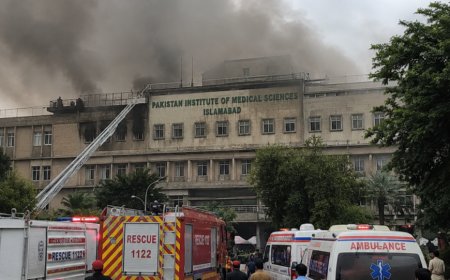
A suicide bomber detonated explosives during Friday prayers at the Khadija Tul Kubra Shia mosque on the outskirts of Islamabad, killing at least 31 people and injuring around 169 others. The blast marked one of the deadliest attacks in Pakistan’s capital in over a decade, prompting nationwide condemnation and heightened security concerns.

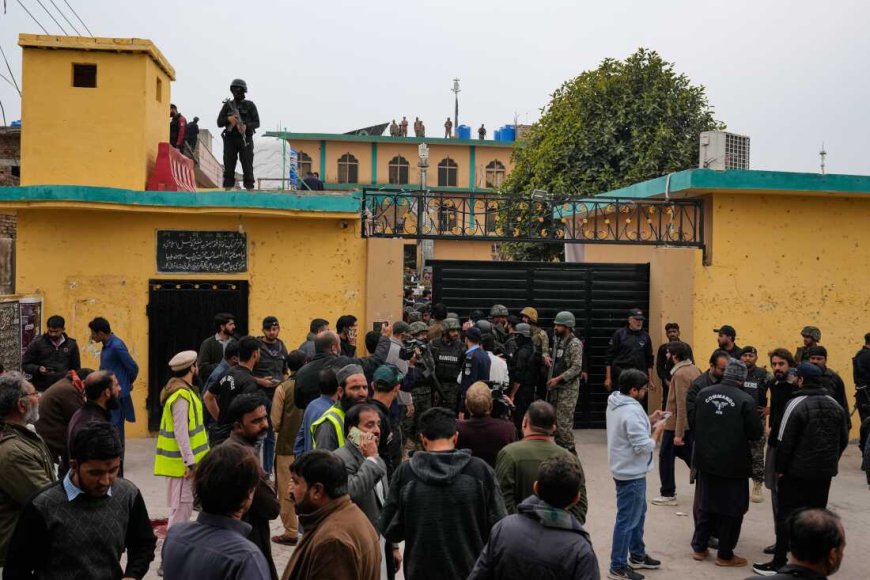
A deadly suicide bombing ripped through the Khadija Tul Kubra Shia mosque in the Tarlai Kalan area on the outskirts of Islamabad, Pakistan, on February 6, 2026, during crowded Friday prayers. At least 31 worshippers were confirmed killed and roughly 169 others wounded in the powerful explosion, according to police and government officials.
The suicide attacker was reportedly stopped at the mosque’s entrance before detonating explosives, with eyewitnesses describing scenes of chaos as worshippers fled amidst shattered glass, debris, and the wounded lying on the mosque floor and surrounding gardens. Hospitals across the capital received the injured, with several in critical condition.
Islamic State’s local affiliate has claimed responsibility for the attack, which underscored the persistent threat of militant violence and sectarian tensions in Pakistan. Political leaders, including Prime Minister Shehbaz Sharif and President Asif Ali Zardari, condemned the assault and called for swift justice, while international actors also issued statements of solidarity and condolences. Security officials said the bomber had received training abroad, prompting renewed scrutiny of cross-border militant networks.
The bombing, one of the deadliest in Islamabad’s recent history, has triggered fresh debates over security preparedness, sectarian targeting of minority communities, and Pakistan’s ongoing battle against terrorism.
What's Your Reaction?
 Like
0
Like
0
 Dislike
0
Dislike
0
 Love
0
Love
0
 Funny
0
Funny
0
 Angry
0
Angry
0
 Sad
0
Sad
0
 Wow
0
Wow
0